Baby Shower Planning Checklist Breaks Down 8-Week Timeline Into Weekly Milestones
Eight weeks is all you need: ParentCalc's milestone-driven checklist turns baby shower chaos into a clear, week-by-week action plan.
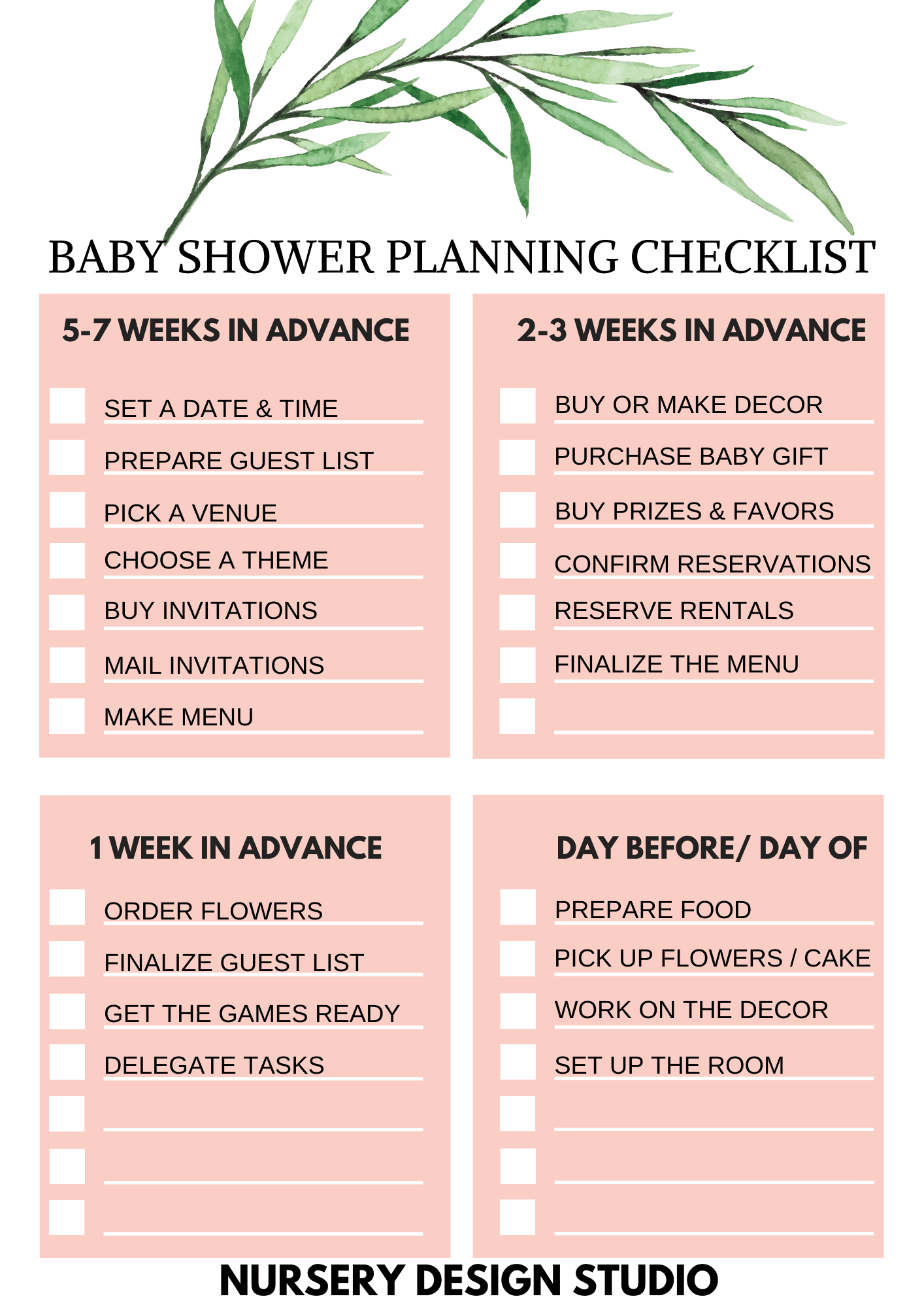
Planning a baby shower carries a particular kind of pressure: it's a celebration that feels deeply personal, often involves dozens of people with different schedules and preferences, and comes with a hard deadline that doesn't move. The difference between a shower that feels effortless and one that feels scrambled usually comes down to when decisions get made, not just what decisions get made. ParentCalc's 8-week timeline model addresses exactly that gap, converting the sprawling list of tasks that come with shower planning into a structured sequence of weekly milestones that build logically on each other.
Why a timeline beats a to-do list
A to-do list tells you what needs to happen. A timeline tells you when. That distinction matters enormously when you're coordinating a guest list, a venue, a theme, catering, decorations, and invitations while also supporting an expectant parent. Without sequencing, tasks pile up in the final weeks, and decisions that should have been made early, like headcount and budget, end up being made too late to affect the decisions that depend on them.
The 8-week structure works because it respects the natural dependencies in shower planning. You can't finalize invitations before you know the guest list. You can't lock in catering before you know headcount. You can't choose a venue that fits your needs before you've defined what your needs actually are. By assigning each category of decision to its own week, the timeline prevents the bottlenecks that turn planning into a last-minute scramble.
Weeks one and two: Foundation decisions
The first two weeks of the timeline are dedicated to decisions that everything else depends on. Guest list and budget are the twin anchors of any baby shower, and they need to be established before any other planning can proceed meaningfully. The guest list determines venue size requirements, invitation quantity, catering volume, and seating arrangements. The budget determines the scope of all of those same elements.
These early weeks are also when the hosting responsibilities get clarified. Whether the shower is being organized by a single host, a co-hosting group, or a family collective, roles and financial contributions should be defined early so that later decisions don't stall over unclear ownership. Establishing a shared planning document or communication channel in week one prevents miscommunication from compounding over the following weeks.
Weeks three and four: Locking in the essentials
With a headcount and budget in place, weeks three and four are when the core logistics get confirmed. Venue selection is typically the most time-sensitive booking because popular spaces, whether private dining rooms, community halls, or event-specific venues, fill up quickly. Choosing a date that works for the guest of honor and the majority of key guests also happens in this window.
Theme and visual direction get established here as well. The theme doesn't need to be elaborate, but it needs to be decided before decor purchases, custom invitations, or catering menus get finalized. A cohesive direction at this stage prevents the mismatched purchases and redundant spending that happen when decor decisions get made in isolation.
Weeks five and six: Invitations and registry coordination
Invitations represent one of the most deadline-sensitive tasks in shower planning. Mailing physical invitations requires enough lead time for guests to receive them, respond, and make travel arrangements if needed. The generally accepted standard is to send invitations six to eight weeks before the event, which, within the 8-week planning model, means invitations should be going out no later than week five to stay safely within that window.
This phase also involves coordinating with the guest of honor on registry details. Guests will often look for registry information the moment they receive an invitation, so having those links finalized and included in the invitation, or at least readily accessible, is important. Week five and six is also when RSVP tracking begins in earnest, with a system in place to follow up with non-responders before headcount needs to be confirmed for catering and seating.
Weeks seven and eight: Final execution
The final two weeks of the timeline are for confirming everything already set in motion. Catering orders, decoration purchases, activity or game planning, and day-of logistics all come into focus here. Because the foundational decisions were made in weeks one through six, week seven and eight aren't about solving new problems; they're about executing a plan that's already been built.
This is also when a day-of timeline gets drafted. Knowing who arrives when, when food gets served, when games or activities are scheduled, and when gifts will be opened gives the event structure without making it feel rigid. A loose run-of-show prevents the awkward lulls that happen when no one is sure what comes next.
Practical advantages of the milestone model
The 8-week framework's core value is that it distributes decision-making load evenly across two months rather than concentrating it in the days before the shower. Each week's milestone is scoped to what's actually achievable in that window, which means the planning process stays manageable even for hosts who are coordinating around full-time work and other obligations.
It also creates natural checkpoints. If week three arrives and the venue still hasn't been booked, the timeline flags that as a problem early enough to address it without cascading consequences. That kind of early warning is something an unstructured to-do list simply can't provide.
For anyone navigating the planning process for the first time, the ParentCalc guide's structured approach removes the guesswork about sequencing. The milestones reflect the actual order in which shower planning decisions need to be made, not just a comprehensive inventory of tasks. That distinction is what separates a planning checklist that reduces stress from one that simply restates it.
Eight weeks is a generous runway when used well. The difference is having a map.
This article was produced by Prism’s automated news system from verified source data, official records, and press releases, then run through automated quality and moderation checks before publishing. The system is built and supervised by the people who set the standards it runs under. Read our full AI policy.
Did this article answer your question?