Baby shower themes shift toward calm, practical planning for hosts
Baby shower themes are getting smarter, not louder. The easiest 2026 options trim decisions, cut clutter, and keep the focus on the parents’ bandwidth.

The new brief: make the theme do less
The best baby shower theme in 2026 is not the one that creates the most spectacle. It is the one that removes decisions, keeps the day moving, and still looks pulled together when the photos go up.
That is the practical turn running through current planning advice from SwaddleAn, Babylist, and The Bump. SwaddleAn’s guide frames the modern shower as a safer, calmer kind of gathering, with maternal comfort, sanity, and practicality taking priority over overbuilt production. It also gives hosts a simple operating rule: start about 10 weeks out, because that is the easiest way to avoid vendor delays, guest-list stress, and the planning burnout that arrives when every choice gets shoved into the final stretch.
Why the easiest showers feel the most current
The most workable showers today usually land somewhere between a backyard potluck and a catered event, with budgets that typically run from about $200 to $1,000 depending on venue and style. That range matters because it explains why the cleanest-looking parties are often the least complicated ones. They do not rely on a dozen rented props or an elaborate transformation of the room. They rely on one coherent idea, repeated well across invitations, decor, food, and activities.
That is where the 2026 theme directions start to make sense. SwaddleAn points to Locally Grown and Vintage Teddy as representative of where the style is headed. Both lean on organic textures, earthy tones, and gender-neutral color palettes such as sage green and peach fuzz, which makes them easier to carry from stationery to tablescape without forcing every detail into a gimmick.
Locally Grown works because it translates everywhere
Locally Grown is one of the simplest themes to execute because it already suggests a visual language. Invitations can stay understated and fresh, decor can rely on natural textures and earthy tones, and the whole setup can work just as well in a backyard as it does in a dining room or a small event space.
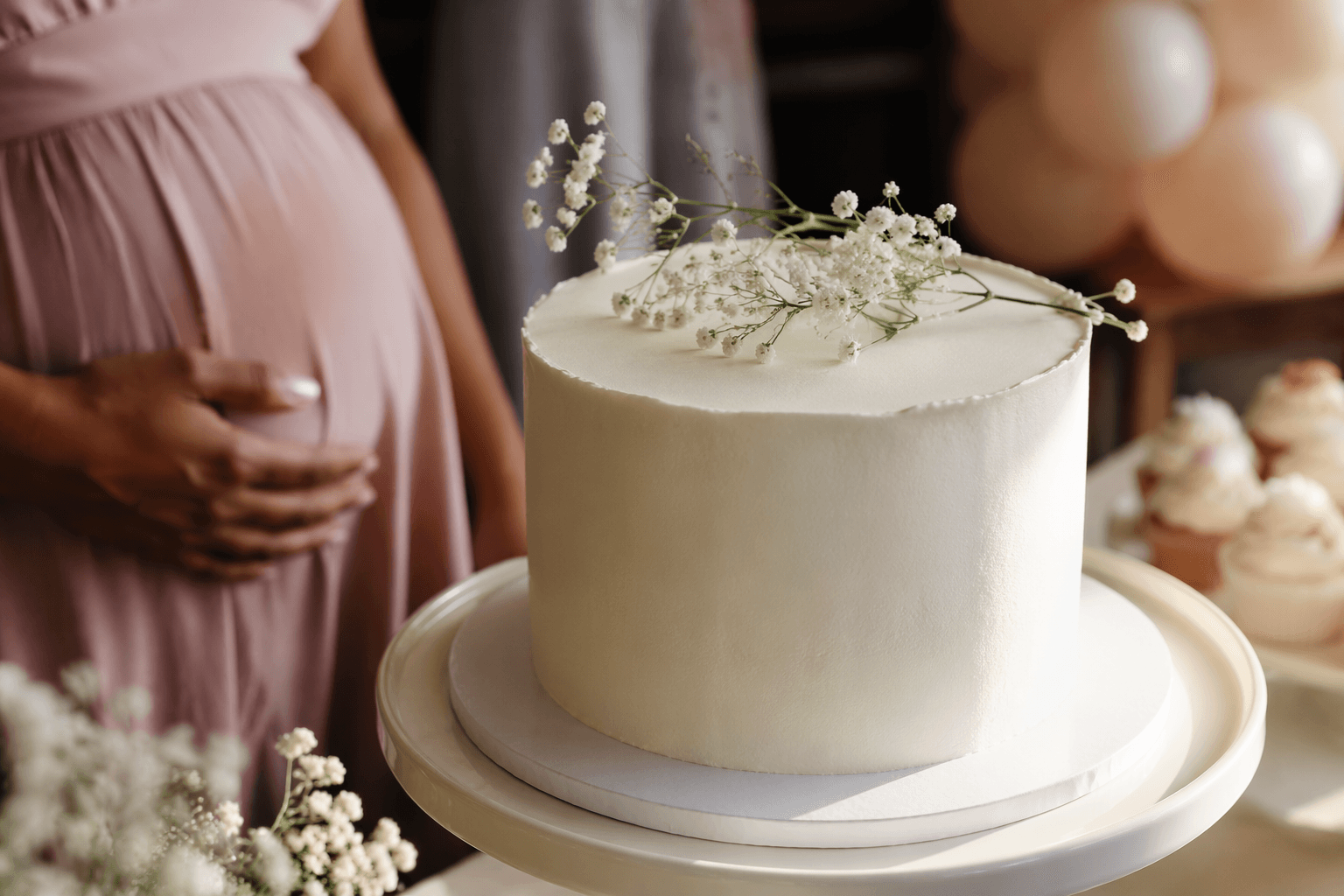
It is also forgiving, which is why hosts keep reaching for it. A Locally Grown shower does not demand a custom cake sculpture or a pile of themed props. It can be built from what is already practical: one palette, one clear vibe, and a menu that feels relaxed rather than fussy. That makes it a strong fit for hosts trying to match theme, registry, and venue without turning the shower into a production challenge.
Vintage Teddy brings the same calm, with a little nostalgia
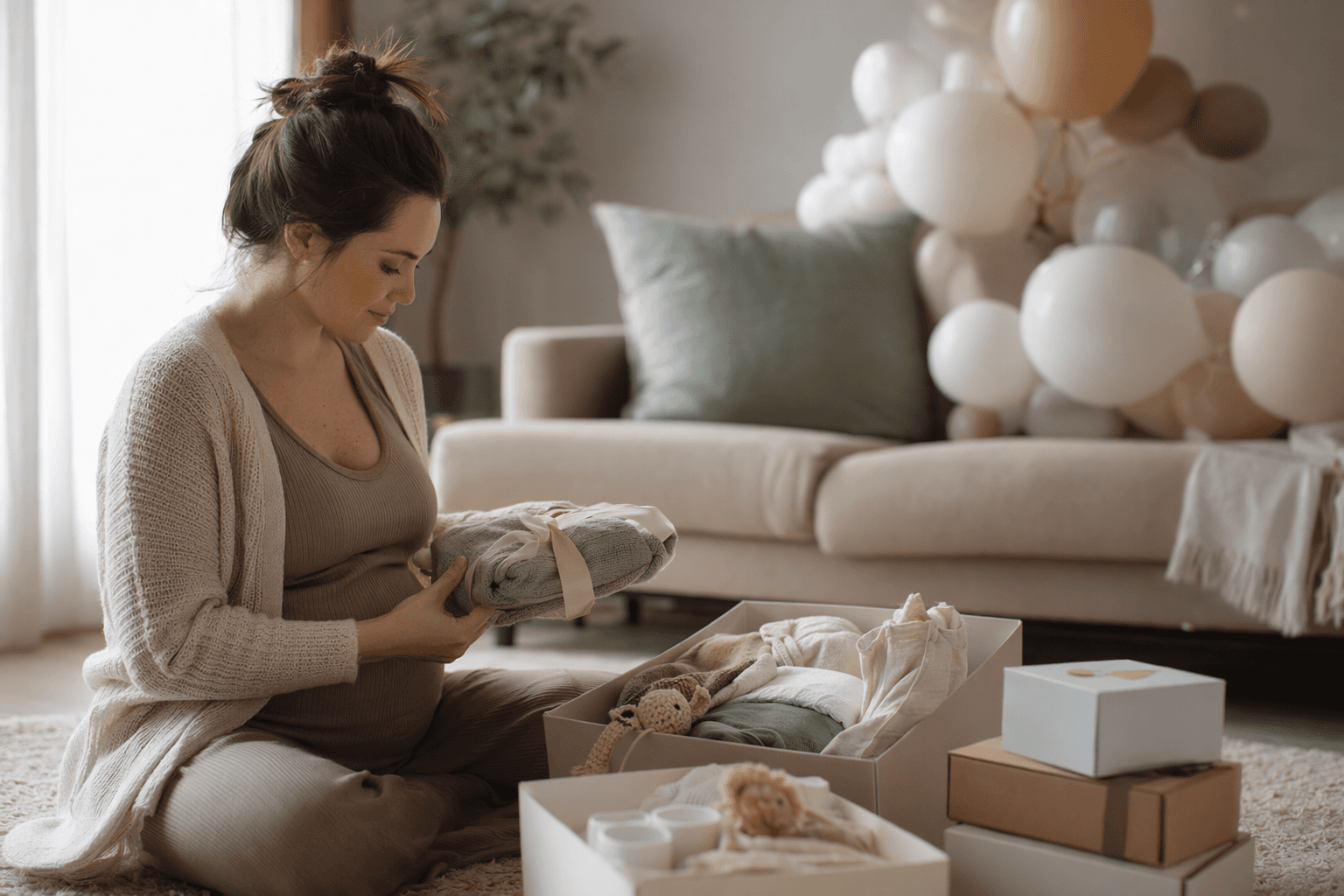
Vintage Teddy lands in a similar place, but with a softer, more nostalgic edge. The appeal is not novelty for novelty’s sake. It is the way the theme gives hosts a recognizable anchor that still leaves room for restraint, especially when paired with the gender-neutral colors and tactile materials that are showing up across 2026 planning.
Because the theme is familiar, it is easy to apply across the whole event. The invitations can hint at the look without overexplaining it, the decor can stay plush and warm instead of busy, and the food can remain straightforward. That is the kind of theme that helps a host make decisions faster, which is exactly what busy expectant parents need when they are already juggling a registry, a guest list, and the usual pregnancy logistics.
The no-wrap trend is the clearest sign that ease is the point
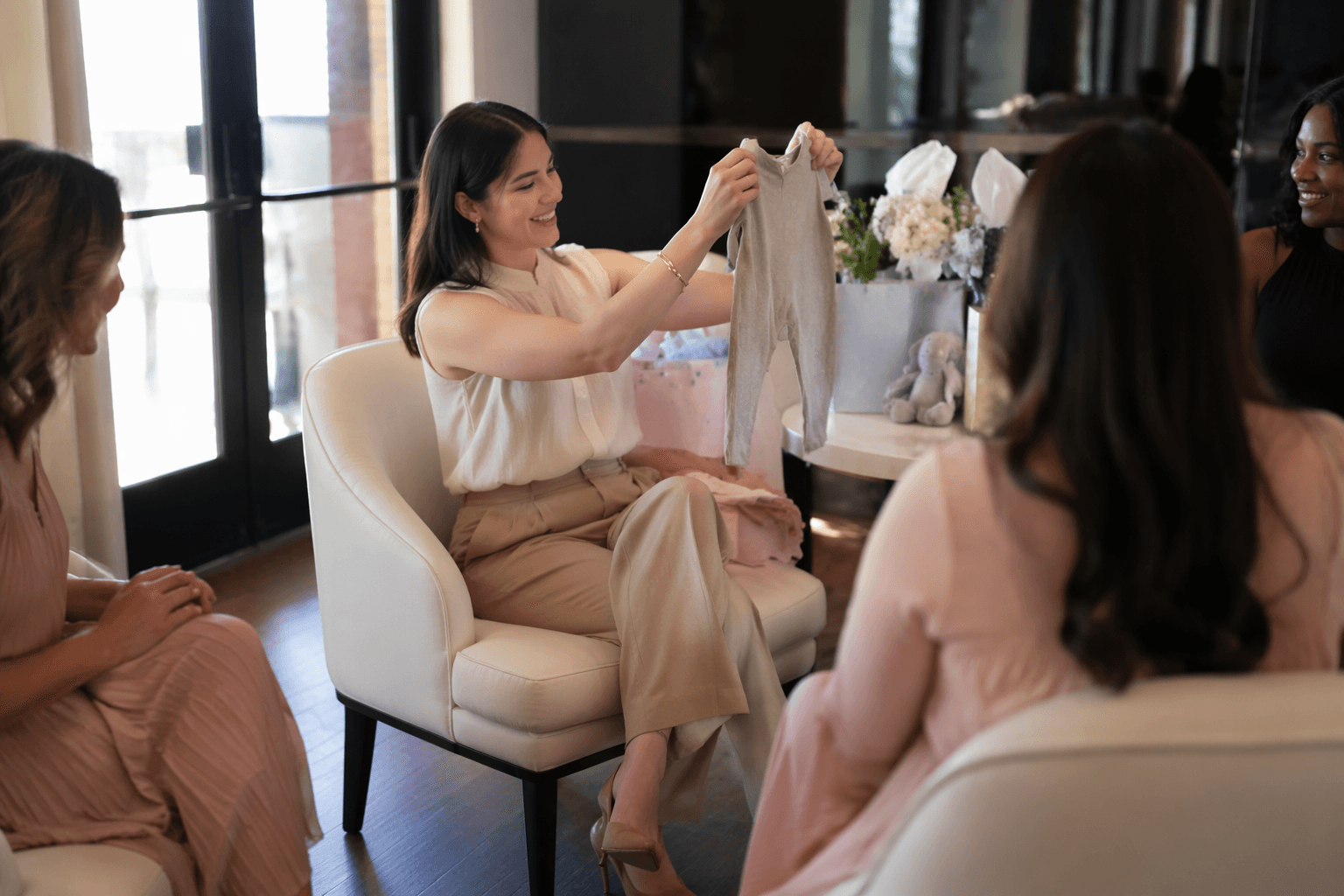
The most telling trend signal is not a color palette at all. It is the rise of the display shower, or no-wrap approach, where gifts are brought unwrapped or shown as part of the decor. The Bump says display baby showers have been trending on TikTok and Instagram, and the format is resonating because it is easier for guests and parents-to-be alike.
There is a real emotional logic behind that. Some parents do not want to spend an hour opening dozens of gifts in front of a room full of people. A display setup cuts down on that pressure and also reduces clutter, which makes the party feel cleaner before, during, and after the event. In other words, it is not just a social-media-friendly twist. It is a planning choice that matches the larger move toward less friction and more comfort.
The simplest planning sequence still matters
The most efficient showers still follow a straightforward order. The Bump says the first steps should be date, budget, guest list, and venue, and that logic fits the calmer style emerging now. Most showers are held when the expectant mom is about seven months pregnant, which gives hosts enough runway to lock in the basics before decisions start compounding.
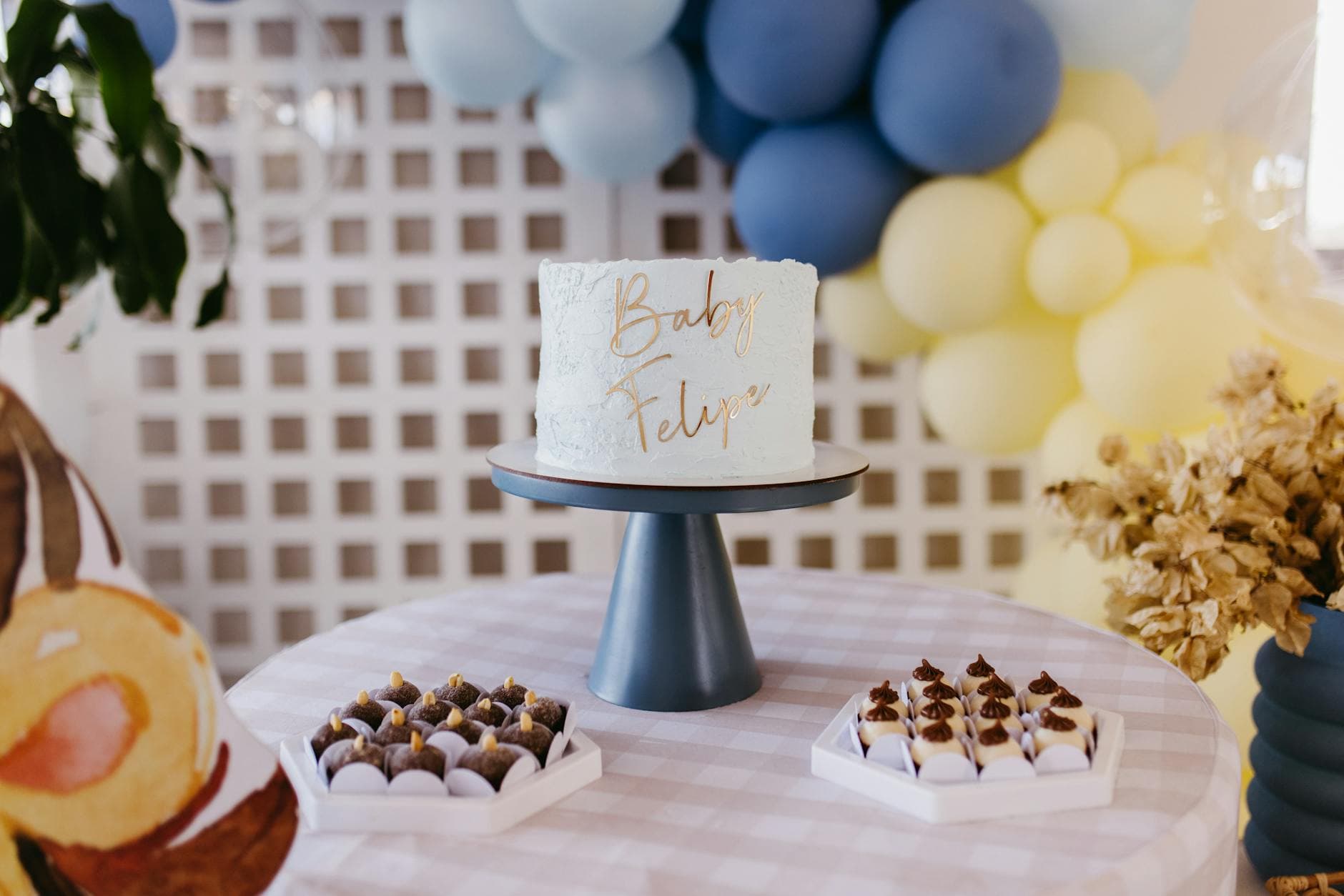
Venue choice should match the mood instead of fighting it. A hotel or restaurant can create a more formal, hassle-free setup, while parks, backyards, and living rooms are better when the goal is intimate and low-pressure. SwaddleAn’s planning advice also pushes hosts to decide early whether the shower is co-ed or traditional, then make sure the registry and invite flow match the theme. That alignment is what keeps a shower from feeling disjointed.
Why parents are steering these choices more than before
Babylist’s 2026 reporting helps explain why this shift is sticking. In its user research, 91% of Babylist parents-to-be were involved in planning their shower to some degree, and 25% hosted their own shower with no other help. That is a major change in how the event works, and Babylist user researcher Pam Kuzon says the shift is likely to continue because pregnancy and early parenthood already take away so much control. Planning a shower can give parents a little of that agency back.
Baby showers themselves are not new. Babylist says they gained popularity in the United States in the late 1940s during the baby boom, when old rules like women-only guest lists, the parent-to-be not hosting, and mandatory gift-opening were widely accepted. Today’s version is much looser, and that flexibility is part of the appeal.
The color story has changed too
The move toward sage green, peach fuzz, and other earthy palettes also fits a longer history. Britannica notes that pastel baby colors like pink and blue were introduced in the mid-19th century and did not become sex-specific until the 20th century. It also says baby boomers in the 1940s were among the first to be dressed in the sex-specific baby clothing Americans now associate with infancy.
That matters because it shows how recent many of the old baby-style defaults really are. The current embrace of neutral, organic tones is less a break from tradition than a return to flexibility. It gives hosts room to build a shower around mood, comfort, and practical use instead of an inherited script.
The larger parenting backdrop points the same way. Pew Research Center’s survey of 3,757 U.S. parents found that mental health concerns top the list of worries, with four-in-ten parents saying they were extremely or very worried that their children might struggle with anxiety or depression at some point. That does not make a shower a therapy session, but it does help explain why calmer celebrations are winning. When the broader culture feels heavy, the best shower theme is the one that takes pressure off, not the one that adds another layer of performance.
This article was produced by Prism’s automated news system from verified source data, official records, and press releases, then run through automated quality and moderation checks before publishing. The system is built and supervised by the people who set the standards it runs under. Read our full AI policy.
Did this article answer your question?