Babylist Hello Baby Box turns registry signups into product sampling and sales
Babylist’s Hello Baby Box is less a giveaway than a funnel, trading sample products and shipping fees for registry completion, trust, and checkout momentum.
The Hello Baby Box is Babylist’s smartest conversion lever
Babylist has turned a welcome gift into a remarkably effective acquisition machine. The Hello Baby Box looks like a perk, but the real job is to pull parents deeper into the registry, get them sampling products early, and make Babylist the place where baby-buying decisions start.
That is the trick worth paying attention to. The box lowers the perceived risk of trying new bottles, diapers, wipes, pacifiers, and other infant basics, while quietly steering users toward registry completion, checkout activity, and partner-brand familiarity. In baby shower terms, it shifts the registry from a static wish list into a live commerce funnel.
What the box is, and why it matters
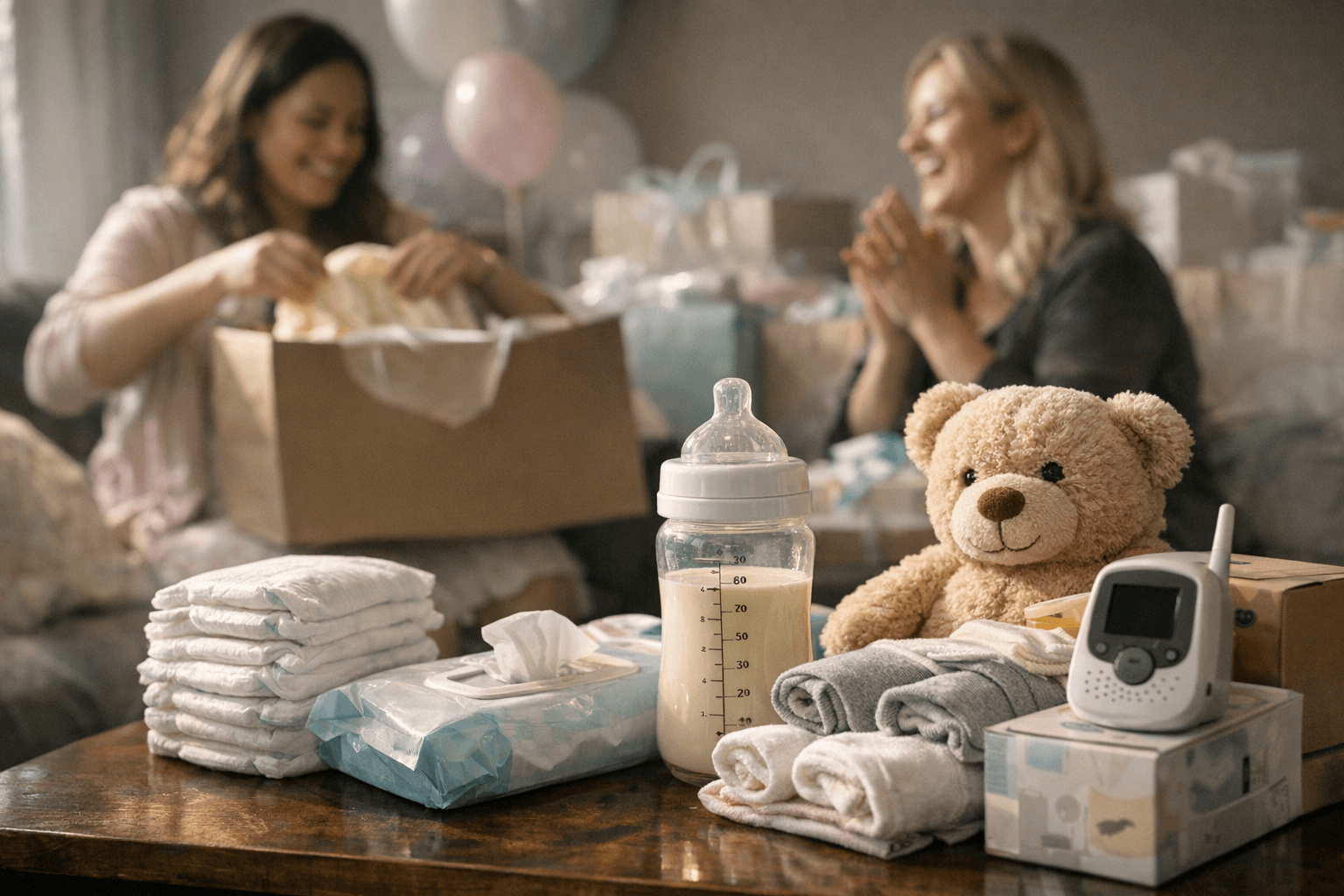
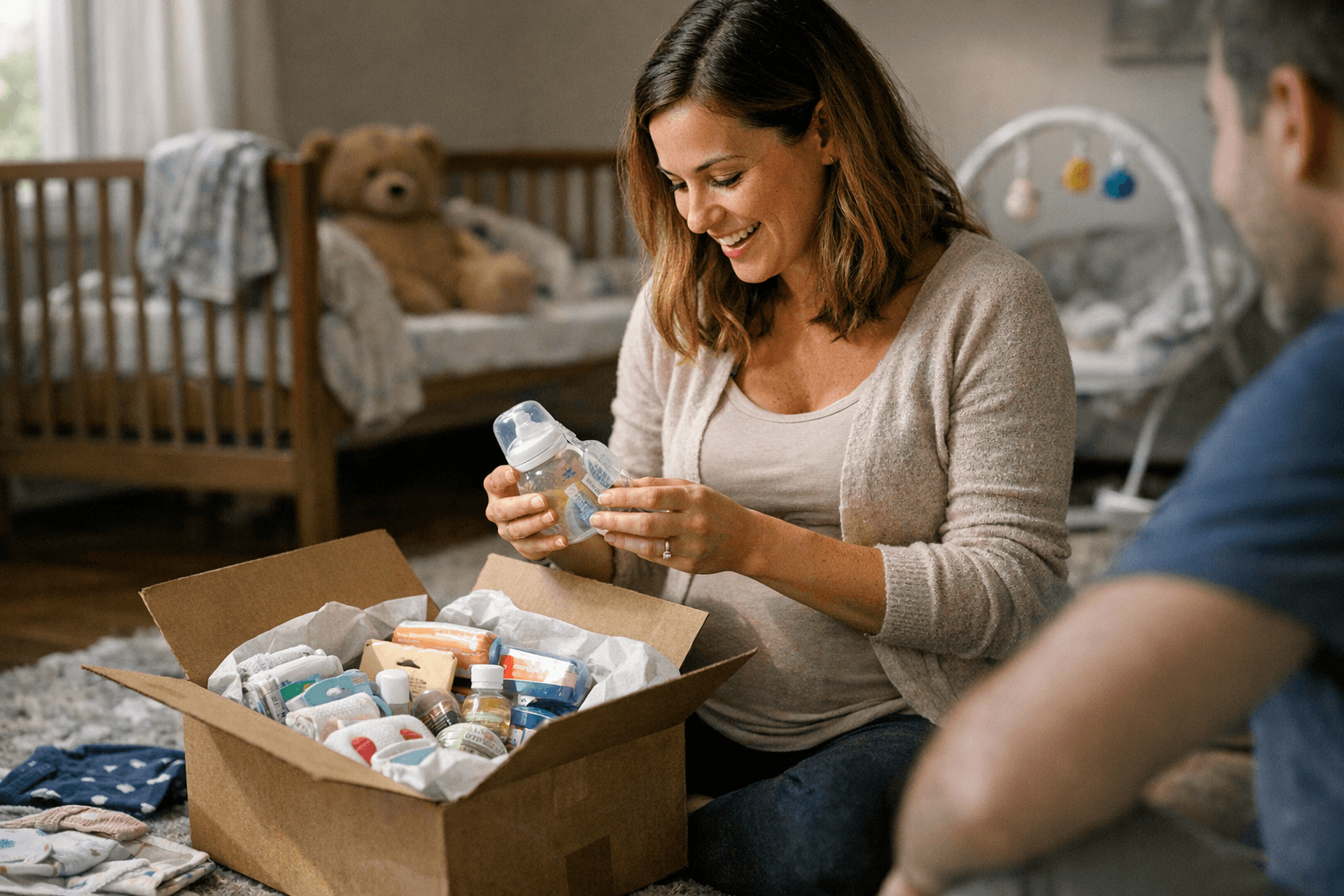
Babylist describes the Hello Baby Box as its welcome gift for registrants. The company says the 2026 version includes $100 worth of goodies and a sneak peek at 25+ brands, with products, offers, coupons, and samples mixed into the package. Previous boxes have included bodysuits, bibs, hats, pacifiers, bottles, diapers, and wipes, plus money-saving promotions.
The key detail is that the contents are not fixed. Babylist says the assortment changes regularly, which keeps the box fresh from a consumer standpoint and flexible from a retail standpoint. For Babylist, that means the box can be tuned around partner inventory, campaign goals, and whatever product category the company wants to push into the hands of new parents.
How the qualification rules shape behavior
The box is not truly free in the plain-English sense. To get it, a user has to create a Babylist registry, add basic account information, include three items from other stores, complete 40% of the Babylist checklist, make a minimum $30 purchase from the Babylist Shop, verify a U.S. address, and pay $8.95 for shipping, plus tax where applicable.
That structure is doing a lot of work. Each requirement nudges the user further into Babylist’s ecosystem: cross-store item addition reinforces Babylist as a universal registry, checklist completion creates engagement, and the $30 Babylist Shop purchase forces a transaction before the box even arrives. Only the registry owner can place the order, and Babylist says the box is intended for babies under 2-3 months old, which further concentrates the offer around the earliest and most decision-heavy stage of parenthood.
Here is the practical reading of the rule set:
- Create the registry first, not later.
- Use the checklist, because Babylist wants completion, not passive browsing.
- Spend at least $30 in the Babylist Shop, which turns sampling into checkout activity.
- Accept the $8.95 shipping charge, which is non-refundable and can be paid by credit, debit, or PayPal.
- Expect limits: one Hello Baby Box per household per year, with Alaska and Hawaii shipments subject to a surcharge.
Why this works so well for parents
For parents, the box reduces the cost of being wrong. Baby gear is full of products that look essential online and feel useless in real life, so a low-risk sample pack is genuinely useful. A pacifier that gets rejected, a bottle shape that never works, or a diaper brand that leaks once too often becomes a data point instead of a full-price mistake.
That low-risk trial matters because baby purchases are loaded with uncertainty and timing pressure. The box gives new parents something concrete to test before they commit, and the registry becomes the place where those preferences get recorded. Once a family decides what works, it is much easier for that brand to stay on the registry and get recommended, purchased, or repeated.
Why Babylist wants the box in the middle of the journey
Babylist’s scale explains why this small box matters so much. The company says it generated $1 billion in gross merchandise value in 2023, saw more than 100 million registry gifts purchased, and reached 9 million purchasers that same year. It also says it is chosen by over 50% of first-time parents.
That level of penetration makes the Hello Baby Box more than a marketing flourish. It is a front-end product for a much larger business built around registry behavior, purchase intent, and repeat shopping. Babylist’s Future of Family report, based on surveys of 7,000 U.S. shoppers, says the company is best known as a universal baby registry used by more than half of first-time parents, which reinforces the point: the company is not just helping people make lists, it is owning the early decision-making moment.
The economics behind the freebie
The box also fits neatly into the economics of modern baby retail. Babylist’s 2019 survey found that the average amount spent by gift givers was about $130, and practicality ranked ahead of sentimentality. That is a useful clue, because it suggests the registry buyer is not simply chasing cute items; they are optimizing for usefulness, convenience, and confidence.
The Hello Baby Box leans into that mindset by blending sampling with retail partnership economics. Parents get a try-before-you-buy experience, Babylist gets higher registry completion and more shop activity, and partner brands get an early chance to become the default answer when the shower gifts start rolling in. The box does not just sit beside the registry business; it helps shape what gets placed on it and what gets trusted once the gifts begin to move.
Why Babylist keeps winning this game
Babylist’s origin story makes the strategy feel inevitable. Founder and CEO Natalie Gordon started the company in 2011 after struggling with traditional registries while pregnant with her first child. That frustration became a platform built around flexibility, and the Hello Baby Box is one of the clearest examples of how the company monetizes that flexibility without making it feel transactional.
Fast Company named Babylist one of the Most Innovative Companies of 2024, and the label fits the playbook here. The box is a welcome gift, but it is also a conversion tool, a sampling program, and a brand-trust engine packaged into one offer. Babylist has figured out how to make the earliest baby purchases feel useful to parents while making the path to purchase more valuable for itself and its retail partners.
Know something we missed? Have a correction or additional information?
Submit a Tip