Babylist registry shows practical baby shower gifts and home delivery choices
A Babylist page for Sarah and John Mazza shows how registries now double as logistics plans, with home delivery and practical gifts built in.
The Sarah and John Mazza registry is doing more than collecting presents. It shows how a modern baby shower has become a coordination hub, with gifts, timing, and travel logistics all folded into one page for the couple in Horseheads, New York. The registry displays June 22, 2026 and says they are welcoming John Coulter in June 2026, which makes the list feel tied to a very specific family handoff rather than a generic shopping checklist.
A registry built around the real-life handoff
What stands out first is the instruction to ship gifts directly to the couple’s home. That kind of detail is practical on its face, but it also tells you how registry pages now work: they are not just for what to buy, they are for where it should go and when it should arrive. The note that they will be traveling back to New York from New Jersey after the baby shower makes the home-delivery choice even more sensible, since it reduces the burden of hauling gifts across state lines after an event that is already packed with errands.
That is the bigger shift registries have made. They now help families manage the awkward middle ground between celebration and the first weeks of parenthood, when convenience matters as much as sentiment. A registry like this one is less about piling up cute extras and more about making sure the right things land in the right place before the baby does.
The Mazza list leans hard toward utility
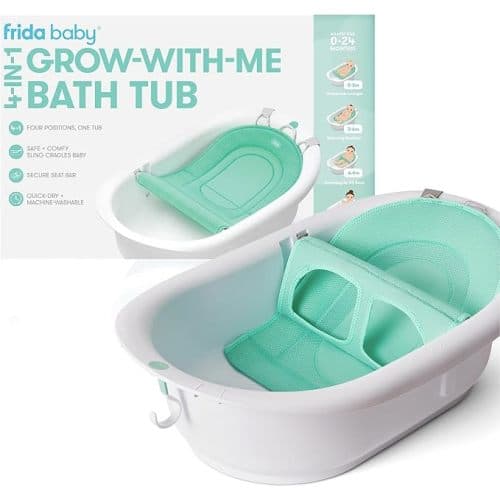
The product mix on this registry tells the story plainly. Instead of a heavy emphasis on decorative pieces or novelty items, the list is built around feeding, gear, health and safety, bathing, and nursery basics. There are bottle nipples and a Babylist bottle box for feeding, stroller-weather accessories and a portable fan for getting out the door, baby rub ointment, baby lotion, and baby wash for care, plus a laundry hamper that fits the daily mess of newborn life.
That is the kind of curation that experienced gift buyers should notice. It signals that the parents are not trying to stage a showroom nursery. They are assembling the equipment and consumables that actually get used, often every day, and that mindset has become one of the defining traits of modern registries.
A few practical patterns show up clearly here:
- Feeding items are grouped around use, not display.
- Travel and weather accessories show an assumption that the baby will be moved around, not parked at home.
- Health and bath items point to replenishable needs, not one-time purchases.
- The laundry hamper is a small but telling choice, because newborn gear quickly becomes a washing cycle.
Babylist’s platform is built for this kind of planning
The registry makes more sense once you look at how Babylist frames its own system. It describes its registry as universal, meaning users can add items from many retailers, plus cash funds and favor requests, all on one list. That structure matters because it lets a host blend traditional gifts with support that is less visible but often more useful, such as meal delivery, house cleaning, or babysitting through Help & Favors.

That flexibility is part of why these pages now feel like coordination tools instead of static wish lists. A couple can steer guests toward the exact mix they need, while still leaving room for help that lands after the shower, when the house is full of bottles, blankets, and no sleep. For guests, it strips out guesswork and cuts down on duplicate purchases, which is especially helpful when the registry includes bundled picks designed to be easier to buy.
What Babylist’s own data says about how parents shop
Babylist’s research helps explain why this kind of registry has become the norm. The company says modern parents often value convenience over cost when building a registry, and that the average registry in its research had 121 products. It also found that 14% of items were added on the first day and 36% by day 10, which points to a process that is fast at the start and still evolving as the birth gets closer.
Those numbers came from a sizable sample, more than 72,000 registries and more than 300,000 gifts. That scale matters because it suggests the behavior is not a one-off quirk of a single family. It is a broad pattern: registries are being assembled as living documents, with priorities that shift as parents get more specific about what will actually make life easier after the baby arrives.
Babylist also says more expecting parents are planning or even hosting their own showers. That lines up with the rest of the registry trend, because once parents are taking a larger role in the event, they are also taking a larger role in shaping the gift list, the tone, and the logistics around it. The result is a shower that feels less like an inherited ritual and more like a personalized setup for the next stage of family life.
The larger category trends match the Mazza choices
The Mazza registry is also consistent with Babylist’s 2026 product-trend coverage, which puts car seats, strollers, and nursery items near the top of the most-registered-for categories. That emphasis on transport and setup products helps explain why the Mazza list includes stroller-weather accessories and other practical gear, rather than leaning into decoration alone.
It is a useful reminder that the best registries now do three jobs at once. They help guests pick gifts without overthinking. They help parents plan for the first weeks at home. And they help the shower itself function as a handoff, where people can give support in forms that are easier to use than a stack of boxes.
The Mazza page gets that formula right. It is specific about the baby, specific about the timing, specific about where the gifts should go, and specific about what kind of life those gifts are meant to support. That is what modern registry culture looks like when it is working well: not a wish list, but a practical plan.
This article was produced by Prism’s automated news system from verified source data, official records, and press releases, then run through automated quality and moderation checks before publishing. The system is built and supervised by the people who set the standards it runs under. Read our full AI policy.
Did this article answer your question?