Babylist urges parents to register for practical baby clothes
Baby clothes are a favorite baby-shower gift, but the smartest registry picks are the ones that get washed, layered, and worn again. Babylist’s answer is a practical capsule wardrobe, not a closet full of novelty outfits.
Why baby clothes belong on the registry
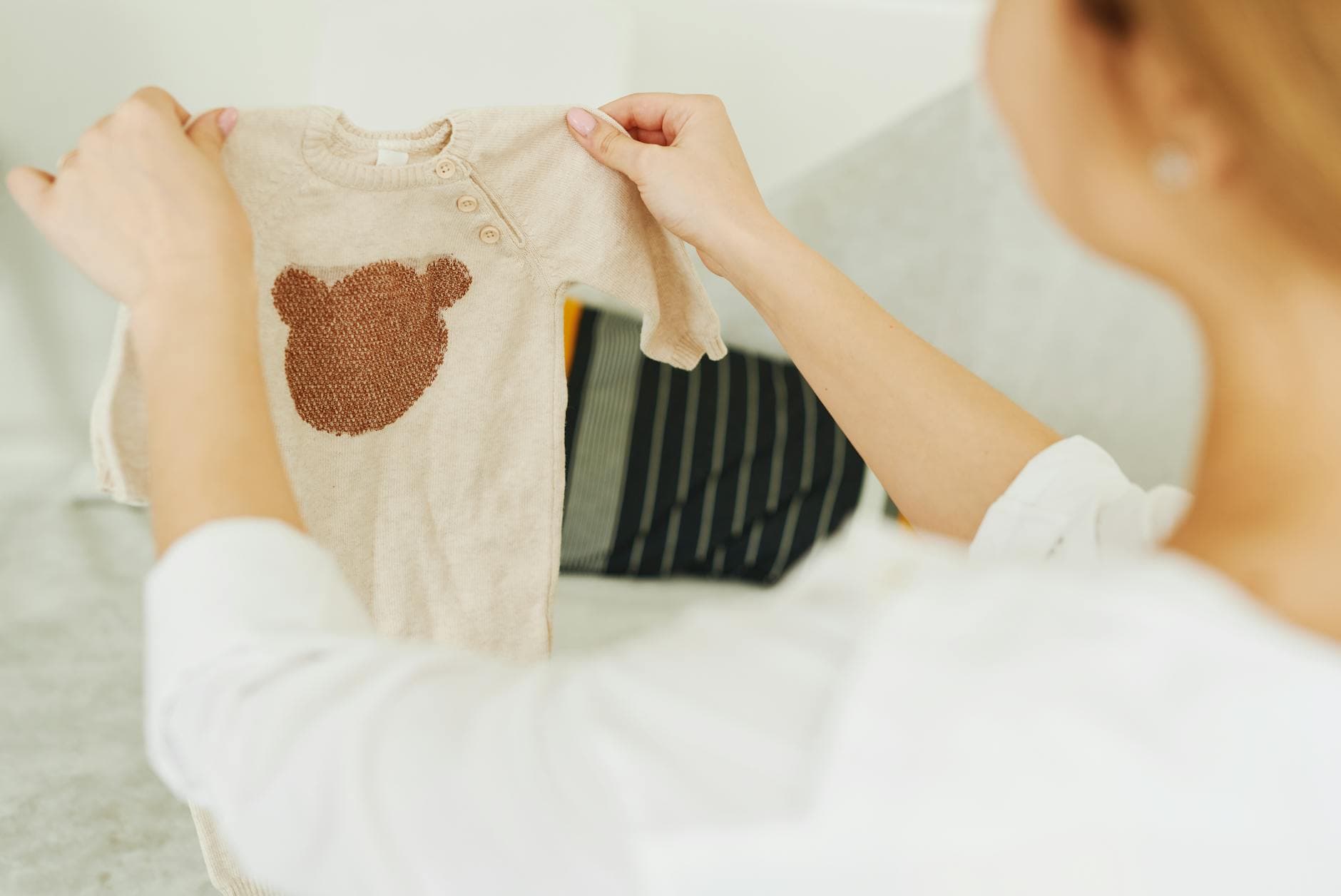
Tiny outfits have an outsized emotional pull, which is exactly why they show up so often at showers and newborn celebrations. Babylist’s framing is refreshingly blunt: clothing should not sit on the registry as an afterthought or a purely cute add-on. It deserves a deliberate place there because people love buying it, and parents need help steering that generosity toward pieces that actually work in daily life.
That matters because the sweetest gift can also become the most cluttered. Shower stacks tend to produce duplicates, one-time outfits, and fabrics that look charming on a hanger but do nothing for a household that is about to live through frequent washing, drool, diaper blowouts, and constant movement. The practical fix is a basic capsule wardrobe, built to repeat, layer, and survive real use.
Build the wardrobe around real routines
Babylist organizes baby clothes the same way new parents live in them: everyday basics, cozy jammies, socks and booties, stylish matching sets, and warm outerwear. That structure is useful because it separates what gets worn constantly from what delivers the photo-ready moment. The wardrobe still has room for charm, but it starts with the pieces that carry the day.
Everyday basics are the workhorses. They are the clothes that absorb spills, handle repeated laundering, and get pulled on again after the first, second, and fifth mess of the day. Cozy jammies belong in the same practical lane, since sleepwear and all-day lounge pieces often become the most used items in the drawer. Socks and booties fill in the gaps that keep little feet warm, while matching sets and outerwear round out the registry without taking over the whole plan.
That balance is the heart of the guide. It does not tell gift-givers to stop buying adorable clothes. It asks them to make sure the adorable pieces sit alongside items that parents will reach for constantly. In other words, the registry should look less like a boutique display and more like a functioning wardrobe.
Choose clothes that help, not just decorate
The baby-shower version of practicality starts with sizing. Newborn clothing is famously tempting, but it is also the easiest place for a well-meaning gift to go unused. Sizing up beyond newborn gives parents a better chance of getting wear out of gifts, especially when babies arrive bigger than expected or outgrow the earliest sizes almost immediately.
Seasonal flexibility matters just as much. Basics that can be layered or worn across changing temperatures are more useful than outfits locked to a single moment. A flexible registry makes it easier to dress a baby comfortably without building a closet that only works for one week of weather or one narrow growth window.
Easy-on, easy-off features also make a difference when the baby is the size of a loaf of bread and the clothing changes are frequent. Parents are not looking for fussy closures or outfits that turn every diaper change into a project. They are looking for pieces that support convenience, which is why the guide keeps returning to comfort, washability, and durability as the real standards.
- Prioritize soft basics that can handle repeated washing.
- Choose layers that work across more than one season.
- Look for construction that stands up to drool, blowouts, and constant movement.
- Keep decorative details secondary to fit and function.
Those choices may sound small, but they shape how useful a wardrobe feels on a Tuesday afternoon, not just in a shower photo.
Use the registry to prevent duplicates and dead weight
The registry is doing more than collecting wish-list items here. It is acting like a filter, steering friends and relatives away from the classic baby-shower problem of too many similar outfits and not enough wearables. When the list is thoughtful, it gives gift-givers a way to be generous without accidentally crowding the nursery with pieces that never match the family’s day-to-day needs.
That is especially important in clothing, where emotional buying can overpower practical thinking. A novelty outfit may be irresistible in the moment, but if it is hard to put on, difficult to wash, or sized for a tiny window of time, it becomes little more than decoration. Babylist’s guidance pushes the category toward softer basics, adaptable layers, and repeat-wear pieces that feel useful long after the shower is over.
There is also a subtle consumer lesson in the guide’s approach. The winning products are not simply the cutest ones on the rack. They are the ones that make life easier and still feel pleasant to receive, which is exactly why baby clothing remains such a strong shower gift category. The smartest registry turns that impulse into something functional: a capsule wardrobe that is comfortable, durable, easy to care for, and ready to be worn on repeat.
In the end, the best baby clothes are not the ones that only look good in a gift bag. They are the ones that earn their place in the laundry rotation, the diaper bag, and the daily rhythm of a new family’s life.
Know something we missed? Have a correction or additional information?
Submit a Tip