Babylist’s Hello Baby Box turns registry perk into product discovery
Babylist’s Hello Baby Box looks free, but it is really a low-cost sampler built to steer registry choices. The value is in curation, not the trinkets.
What the Hello Baby Box actually is
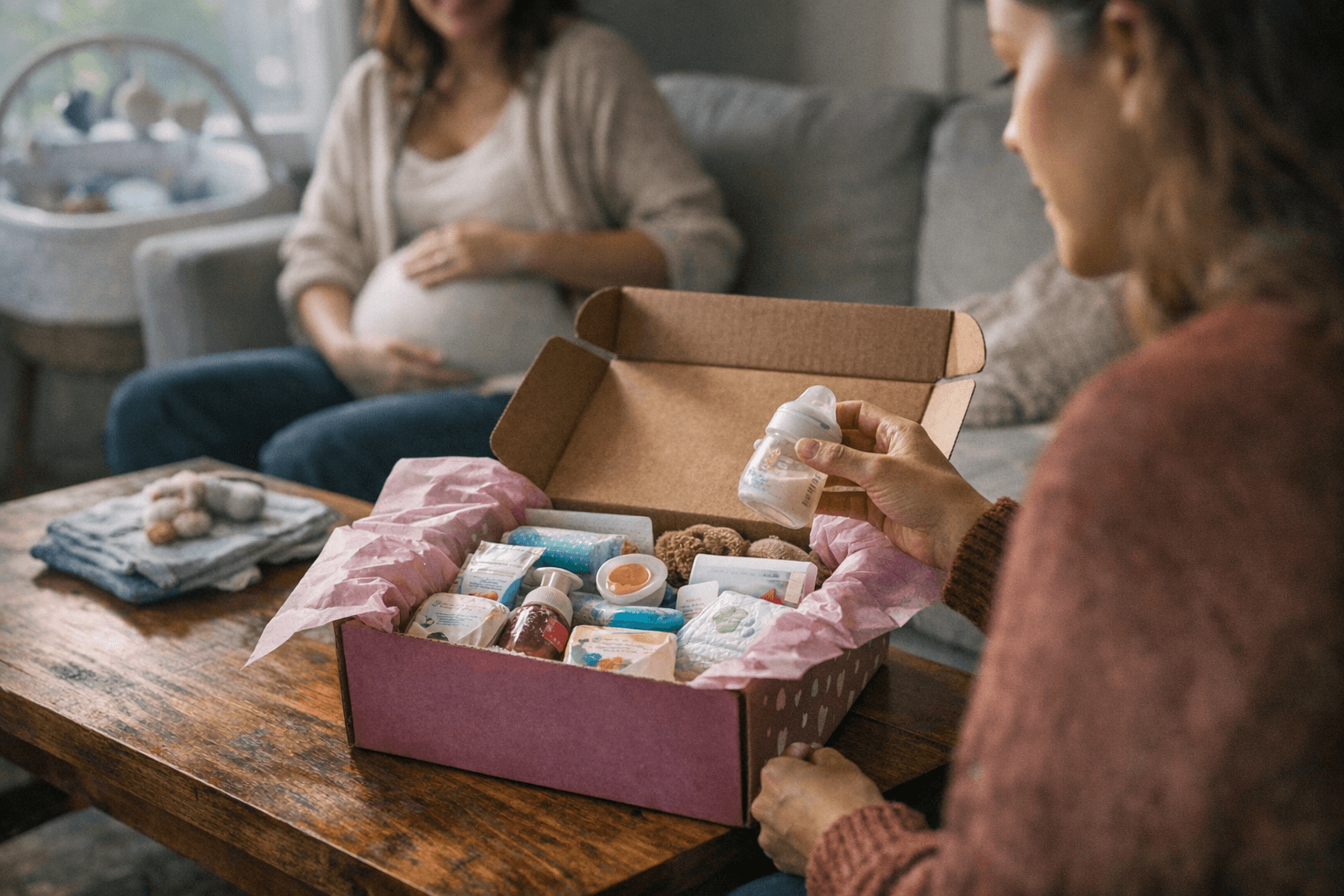
Babylist has turned its Hello Baby Box into a smart little wedge between a registry perk and a shopping funnel. The pitch is simple: add a few items to your registry, pay $8.95 for shipping, and get a box valued at more than $100. What makes it interesting is not the price, but the way it frames product discovery for expectant parents who are still deciding what they actually need.
The box is not a random pile of freebies. Babylist says it pulls from 25+ brands, and the contents change regularly, which is exactly why it works as a sampler. In practice, it gives new parents a short, curated run through categories that matter early, instead of forcing them to buy full-size products blind.
Who qualifies, and why the fine print matters
This is where the perk starts looking less like a giveaway and more like a controlled acquisition tool. Babylist says the box is available to registrants whose arrival date is between four weeks ago and nine months away, and the box generally fits babies under 2 to 3 months old. That timing tells you everything: this is aimed squarely at people in active decision mode, not casual browsers.
The limits are just as telling. Babylist says there is one Hello Baby Box per household per year and one per registry. Shipping is non-refundable, payment can be made by credit card, debit card, or PayPal, and Alaska and Hawaii shipments may include a surcharge. Once the order is placed, Babylist says it cannot be changed or canceled. So yes, it is a perk, but it is also a gated transaction with very clear guardrails.
What’s inside, and what matters most for first-time parents
The strongest part of the box is the mix of categories. Babylist says past boxes have included bodysuits, bibs, hats, pacifiers, bottles, diapers, wipes, swaddles, nursing pads, and breast milk storage bags. That range matters because it spans both baby basics and postpartum essentials, which is exactly where first-time parents tend to feel the most uncertainty.
The most useful items are usually the ones that let you compare brands before committing. Diapers and wipes are the obvious test case, since fit, feel, and absorbency can vary enough to matter immediately. Bottles and pacifiers are just as important, because babies can be surprisingly picky, and parents do not want to discover that after buying a whole set. The self-care pieces for parents are a nice touch, but the real utility lives in the gear that gets used every day.
Babylist’s own framing makes this point clear. The company says the box is intended to help parents compare products from multiple brands, and that is a better use of the format than tossing in a bunch of one-off promotional items. A sample box earns its keep when it helps you decide what deserves a permanent place on the registry.
The brand mix is the giveaway’s biggest strength
The 2026 box includes recognizable names like Aveeno, Bobbie, Dr. Brown’s, Huggies, Little Unicorn, and MAM. That matters because it turns the box into a controlled first look at brands parents are likely to encounter again later, not just an assortment of generic samples. You are not just opening packaging, you are being introduced to a shopping ecosystem.
That brand strategy is what separates a useful sampler from branded clutter. A box full of disconnected promo items does not help you decide anything. A box built around names you will actually see in baby aisles, on registry lists, and in postpartum routines gives you a quick read on what feels worth testing further.
Why Babylist can make this work
Babylist did not stumble into this model. The company says it started in 2011, when founder Natalie Gordon built the registry while preparing for her first child. Babylist also says more than 50% of first-time parents choose it for registry needs, and that its marketplace helped more than nine million people make purchase decisions last year.
Those numbers explain why the Hello Baby Box is strategically important. Fast Company reported in 2024 that Babylist generated more than $400 million in annual revenue and had gross merchandise value above $1 billion. In other words, the company is not just selling registry convenience. It is operating a large commerce engine, and the box is one of the cleanest ways to capture parents at the moment when they are still forming brand loyalties.
How it stacks up against the rest of the registry market
Babylist is not alone here, and that is part of the story. Amazon’s welcome box requires an active Prime account, a baby registry, 10 unique items, and more than $10 in registry purchases. Target advertises a free welcome kit with its baby registry. Walmart also relaunched a baby registry gift box program for registries created on or after February 1, 2025, as long as the registry is open at least seven days and has at least 20 items.
The competition tells you the market has learned a basic truth: sample boxes are not just about freebies, they are about shaping buying behavior at the exact moment parents are building a list. Every one of these programs is trying to do the same thing in slightly different ways, but Babylist’s version is especially clear about the trade. You pay a small shipping fee, meet the registry requirements, and in return get a handpicked introduction to products you may end up buying anyway.
Is it actually worth it?
For expectant parents, the answer depends on what you want from a registry perk. If you are looking for free stuff in the purest sense, the Hello Baby Box will disappoint a little because the shipping fee is real, the rules are real, and the contents are not guaranteed. If you want a low-risk way to test bottles, pacifiers, diapers, wipes, and a few postpartum items before buying larger quantities, it is a genuinely useful shortcut.
That is the key distinction: this box is less about the thrill of a freebie and more about buying less blindly. In a baby market packed with overbuilt starter kits and too many sponsored extras, Babylist has made the smarter move. It has built a product-discovery tool that looks like a perk, and for the right family, that is exactly what makes it worth the trouble.
This article was produced by Prism’s automated news system from verified source data, official records, and press releases, then run through automated quality and moderation checks before publishing. The system is built and supervised by the people who set the standards it runs under. Read our full AI policy.
Did this article answer your question?