Drik Panchang lists auspicious timing for Seemanta Sanskar on June 24
A June 24 muhurat turns Seemanta Sanskar into a calendar-driven ritual, with a highlighted New Delhi window from 11:00 AM to 11:44 AM.
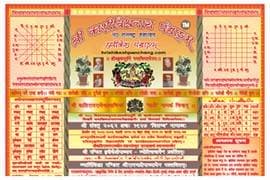
For families planning Seemanta Sanskar, the calendar comes first. Drik Panchang’s June 24, 2026 entry for New Delhi, NCT, India lays out auspicious windows for a ceremony that is closer to a blessing rite than a casual baby shower, including one highlighted slot from 11:00 AM to 11:44 AM and another auspicious interval later in the day.
Why the muhurat matters
The point of the timing grid is not just to find a free hour. Drik Panchang treats the day as a spiritual schedule, with intervals marked as auspicious, inauspicious, or mixed, so the family can choose a moment that fits the ritual instead of defaulting to convenience. That is the core difference from a Western-style baby shower, where the date is usually set around guest availability, venue logistics, and the registry.
Seemanta Sanskar, more popularly known as Goda Bharai in modern India, is performed to pray for the good health of the mother and baby and for a safe delivery. That purpose gives the ceremony a distinctly devotional edge. It is celebratory, but it is also protective, with the timing itself treated as part of the blessing.
What the ritual is, and what it is not
Simantonnayana, also written Sīmantonnayana, is the Sanskrit ritual name behind this cluster of customs. It is described as a prenatal samskara, a rite of passage that can resemble a baby-shower-style gathering, but it does not revolve only around gifts, décor, or snacks. The ritual’s center is symbolic and spiritual, with the mother’s wellbeing and the unborn child’s safety framed as the main objective.
A major ritual element is the parting of the pregnant woman’s hair. That act is tied to blessing and protection, which is why the ceremony carries more weight than a standard social shower. In modern baby-shower culture, the emphasis often falls on celebration and practical support. In Seemanta Sanskar, the emphasis stays on ritual structure, prayer, and auspicious timing.
When different traditions place it
The timing of the ceremony varies by text and by living practice. Drik Panchang says Seemanta Sanskar is commonly performed in the sixth or eighth month of pregnancy, depending on tradition and local practice. Hindu Blog places Simantonnayana in a broader textual range, noting that Baudhayana Grihya Sutra points to the fourth or fifth month, while Yajnavalkya Smriti allows the sixth or eighth month.
Dharmawiki draws the same line between older and later practice, saying the Grhyasutras favor the fourth or fifth month, while the Smrtis and astrological books extend the period up to the eighth month or even until birth. Pampers IN adds the modern, family-facing version of that pattern, noting that baby showers are generally celebrated in the seventh or eighth month. Put together, the sources show a clear pattern: the ritual is not locked to one universal month, and family tradition still decides the frame.

The regional names change, the logic stays the same
The ceremony moves across India under different names. Drik Panchang lists Shrimantham, Shaad, Valaikappu, Seemandham, Dohalejewan, and Shrimanta as regional forms. The naming map is just as important as the calendar, because the word a family uses often signals language, region, and ritual style.
South India commonly uses Seemantham, while Tamil-speaking regions often say Valaikappu. Maharashtra uses Dohale Jevan, and Bengal often uses Shaad. Those names are not cosmetic. They mark local practice, and they help explain why one family may plan the same kind of pregnancy celebration with a very different ritual vocabulary from another.
How June 24 is presented on the calendar
The June 24, 2026 listing is built as a planning tool, not just a devotional note. It gives New Delhi families a specific window, the 11:00 AM to 11:44 AM interval, and identifies additional time later in the day that also falls into the auspicious category. The page’s structure, with auspicious, inauspicious, and mixed blocks, shows how seriously the timing is treated.
That kind of specificity matters because the ceremony is often about more than one family gathering around a pregnant woman. It can involve prayer, ritual gestures, regional customs, and a schedule shaped by muhurat rather than by an open calendar slot. For some traditional observances, especially a first pregnancy, that timing can be part of the ceremony’s meaning.
Where the baby shower comparison fits
The Western baby shower comparison is useful, but only up to a point. Both customs gather family around pregnancy and both mark an impending birth with attention and gifts. The difference is that Seemanta Sanskar is anchored in religious interpretation, astrology, and regional ritual form, while a modern baby shower is usually organized around social convenience.
That distinction explains why a calendar entry like this carries real planning weight. In this tradition, the right hour is not an extra detail. It is the frame that lets the celebration feel spiritually aligned, culturally grounded, and properly timed for the mother and child.
This article was produced by Prism’s automated news system from verified source data, official records, and press releases, then run through automated quality and moderation checks before publishing. The system is built and supervised by the people who set the standards it runs under. Read our full AI policy.
Did this article answer your question?