How AI Tools and SaaS Platforms Streamline Baby Shower Planning in 2026
Dozens of small tasks stand between a baby shower idea and a seamless event; AI and SaaS tools now absorb the repetitive work so hosts can stay present.
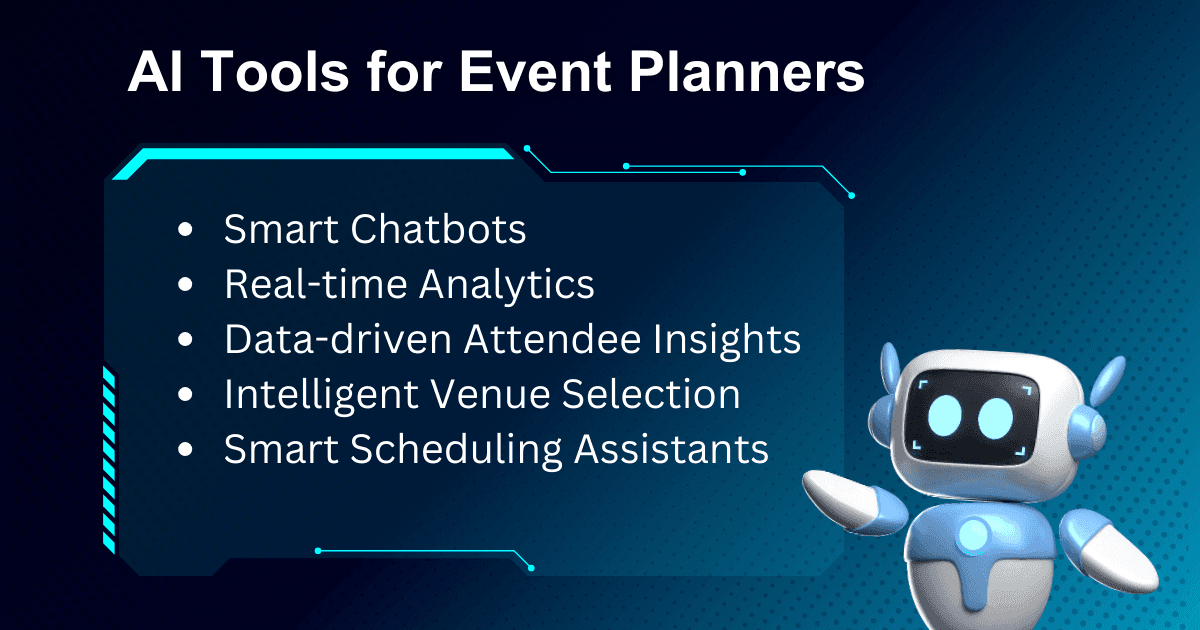
The moment someone agrees to host a baby shower, the mental checklist begins: invitations, RSVPs, dietary restrictions, games, favors, vendor coordination, thank-you notes. That list rarely stays short. A growing set of AI-powered tools and SaaS platforms can absorb the administrative weight of that checklist, freeing hosts and boutique planners to focus on the parts that actually matter: the personal touches that make a shower feel like a celebration rather than a logistics exercise.
This guide walks through the key stages of shower planning where automation delivers the most value, from the first invitation draft to the last thank-you email.
Designing Invitations Without Starting from Scratch
The invitation sets the tone for everything that follows, and AI can reduce the copywriting burden significantly before a single design element is chosen. A practical workflow: prompt an AI writing tool for three invitation text variations tailored to different tones (formal, casual, and coed-friendly), then import the selected copy directly into a design platform like Canva using a pre-built template. Platforms like Paperless Post and RSVPify layer RSVP tracking and delivery analytics on top of the design, so hosts can see exactly who has opened, responded, or gone quiet.
The same AI that drafted the invite copy can generate matching signage: welcome signs, table cards, and game instruction sheets that stay visually consistent without requiring a graphic design background.
Guest Management That Goes Beyond a Headcount
A guest list is more than names and addresses. Dietary restrictions, mobility needs, and calendar conflicts all require active management, and a tool that handles only headcounts creates downstream problems on the day of the event. An RSVP platform that includes dietary questions and calendar link integrations, paired with a shared spreadsheet or event CRM, gives the on-site host a live view of guest profiles and any relevant notes.
Disabled-access information is worth surfacing explicitly in the RSVP flow rather than leaving it to guests to request separately. When the RSVP tool feeds data directly into a shared document, anyone coordinating on the day can pull up a guest profile in seconds rather than searching through email threads.
Registry and Gift Tracking
Registry aggregators, with Babylist being one of the most widely used, consolidate gift wishlists from multiple retailers into a single dashboard. The practical advantage for hosts and parents isn't just convenience at the purchase stage; it's the reconciliation that happens afterward. A centralized gift dashboard lets the household track what arrived, what's still pending, and who sent what, which feeds directly into the thank-you workflow.
Automation handles the mechanical part of that workflow: sending thank-you reminder prompts keyed to specific gift items and exporting a mailing list formatted for printed thank-you cards. If guests contributed to a charity or diaper fund rather than a physical gift, the same export creates a clean record for tax or charitable documentation.
Day-Of Automation: The Minute-by-Minute Timeline
A formatted, minute-by-minute event timeline shared with vendors via a live Google Doc or a project management tool like Asana or Trello is one of the highest-leverage automations available to a planner. Rather than fielding texts from the florist about when to arrive or reminding the photographer about the cake-cutting moment, every vendor works from the same live document.
Checklist tools with completion checkboxes handle setup and teardown sequencing. When a task is marked complete, the next responsible party sees their cue. This matters most in the two hours before guests arrive, when coordination errors are most likely and the host's attention is most divided.

Games and Hybrid Engagement
Baby shower games have a reputation for awkwardness, and execution is often what makes or breaks them. Digital game engines designed for hybrid events, combining a Zoom call with an in-room display, use spinner wheels, live polls, and automated prize assignments to reduce friction for both remote and in-person guests.
AI adds a layer of personalization that generic trivia packs can't match. Given a few details about the parents' story, relationship history, or shared interests, an AI tool can generate bespoke trivia questions that make the game feel written specifically for this couple. That specificity is what separates a memorable game from one guests forget before they reach the parking lot.
Post-Event Follow-Ups
The event ends, but the administrative work doesn't. Automated thank-you email sequences with personalized prompts, where the host is nudged to insert the specific gift item before sending, keep the follow-up from feeling mass-produced. The sequence can be pre-built before the shower so that within 24 hours of the event, every guest receives a message that references what they brought.
For hosts managing charitable donations or diaper fund contributions, RSVP exports provide clean records for financial documentation without requiring a manual audit of who gave what.
Privacy and Ethical Guardrails
Guest data, including names, contact details, dietary information, and attendance notes, is sensitive. Routing that data through general-purpose AI models carries real privacy risk. Privacy-forward AI tools or enterprise tiers with data isolation are the appropriate choice for any workflow that processes personal information. Running sensitive workflows locally, when the tooling supports it, adds another layer of protection.
The digital invitation workflow has its own checklist: minimize the number of data fields collected and use paid tiers of invitation platforms to reduce ad tracking. The default settings on free tiers of many consumer tools are not designed with guest privacy as the primary concern.
What This Means for Boutique Planners
Planners who standardize these toolchains across events can improve margins and deliver a more consistent client experience. One tech-forward planner captured the operational reality precisely: "Automations allow me to scale. I can run two showers in a weekend because I know my checklists and templates will run themselves."
Charging a digital coordination fee, typically in the $75 to $150 range, covers the time required to build and manage the automation stack and is straightforward to justify to clients who value convenience. That fee also functions as a positioning signal: it tells clients they're working with someone who brings infrastructure, not just creativity.
The goal throughout is not to replace the human judgment that makes a shower feel personal. It's to remove the repetitive administrative work that gets in the way of it. A well-configured automation stack doesn't make a shower feel mechanical; it gives the host the space to be fully present at the party they worked so hard to build.
This article was produced by Prism’s automated news system from verified source data, official records, and press releases, then run through automated quality and moderation checks before publishing. The system is built and supervised by the people who set the standards it runs under. Read our full AI policy.
Did this article answer your question?