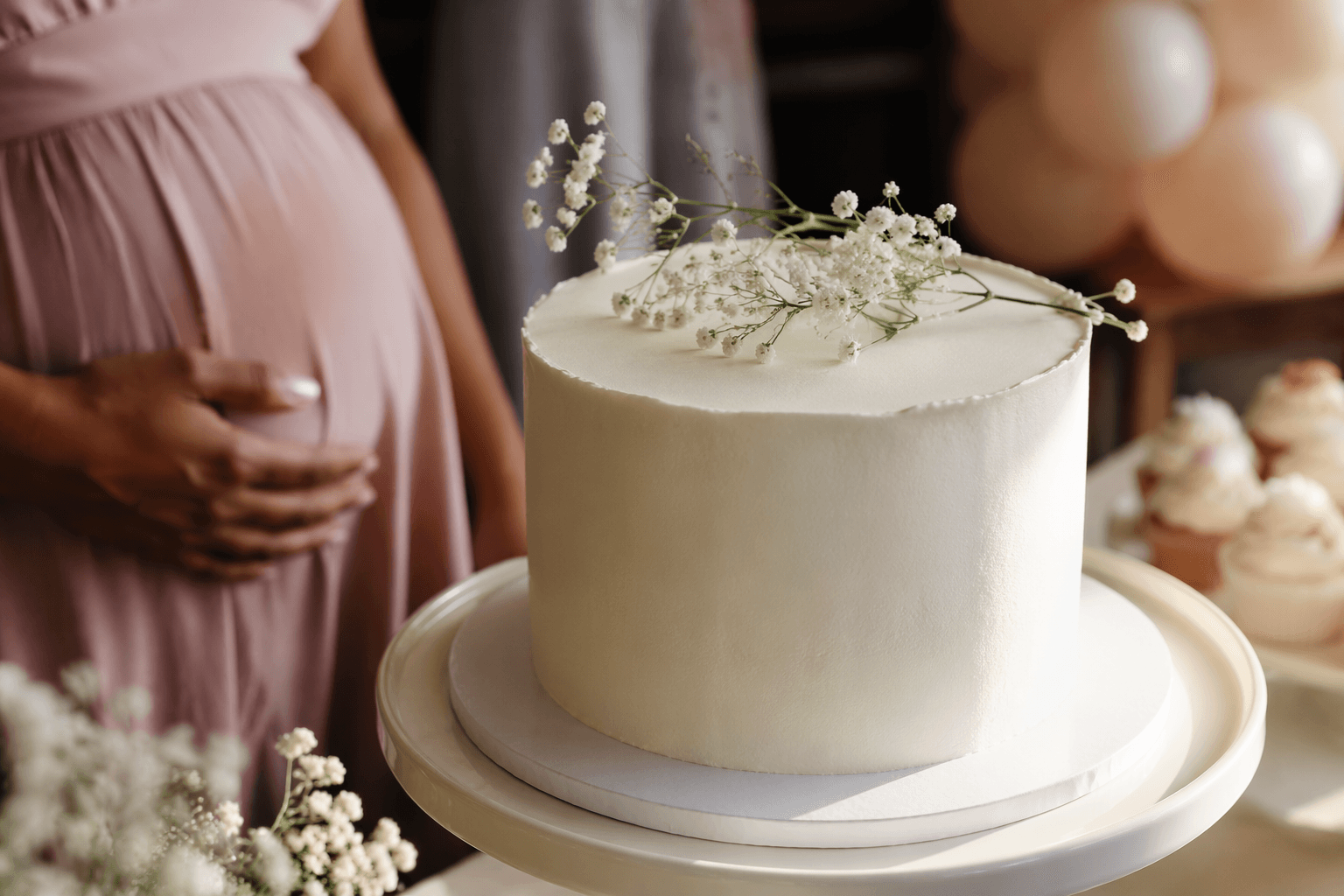
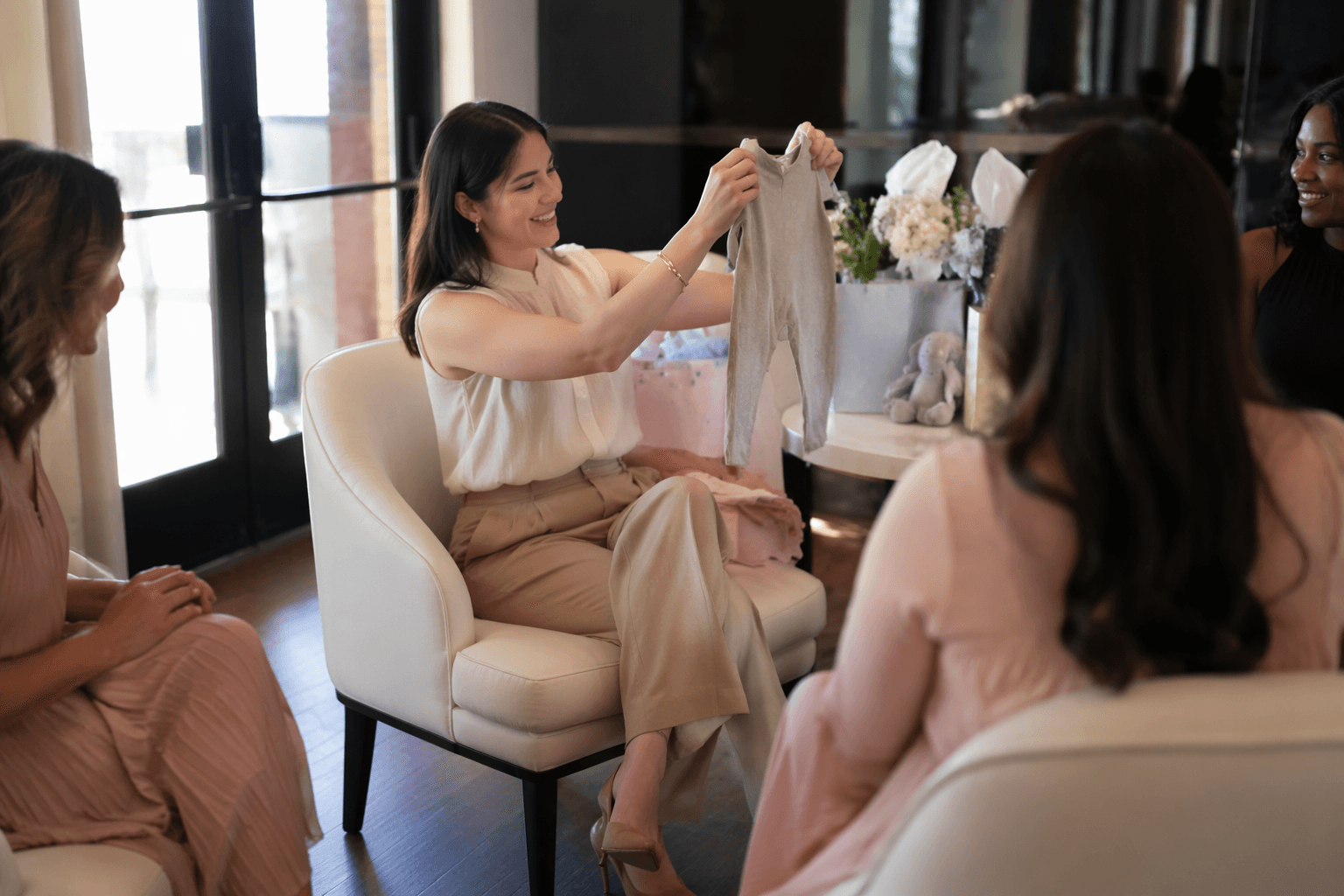
Modern baby shower etiquette says moms-to-be can host their own event
Self-hosted baby showers are no longer a faux pas. Modern etiquette now favors smaller gatherings that ask for support without turning the day into a gift grab.

The etiquette shift is already here
The biggest change in baby shower etiquette is simple: the mom-to-be can host her own shower, and in many families that is now the most practical choice. Big Heart Little Star frames that move as common sense, especially for second-time parents, people living far from family, or anyone whose closest friends are too stretched to plan something from scratch.
That flexibility lines up with modern etiquette guidance. Emily Post says it is appropriate for anyone close to the parents-to-be to host, including the parent-to-be herself. The Bump takes the same position and says the old rule against family members hosting should be broken. The point is not to rewrite celebration as obligation. It is to make the shower happen in a way that fits real lives, real schedules, and real budgets.
How to host without making the shower feel like a gift grab
The trick is tone. The invitation should feel warm and low-pressure, with registry information included lightly rather than shoved to the front. Big Heart Little Star’s approach is straightforward: keep the celebration centered on the parent-to-be, not on the haul, and let the registry serve as a helpful guide instead of the headline.
That approach matches newer registry advice too. Babylist says including registry information with shower invitations is one of the best ways to let guests know what is needed. Poppylist adds that sharing a registry when guests ask is thoughtful, not pushy. Family members and friends can still contribute in ways that feel natural, whether that means bringing cake, handling games, or helping with setup. The social script has changed: the shower is less about strict formality and more about creating an easy, pleasant gathering where support feels clear and welcome.
A practical blueprint for a smaller, easier shower
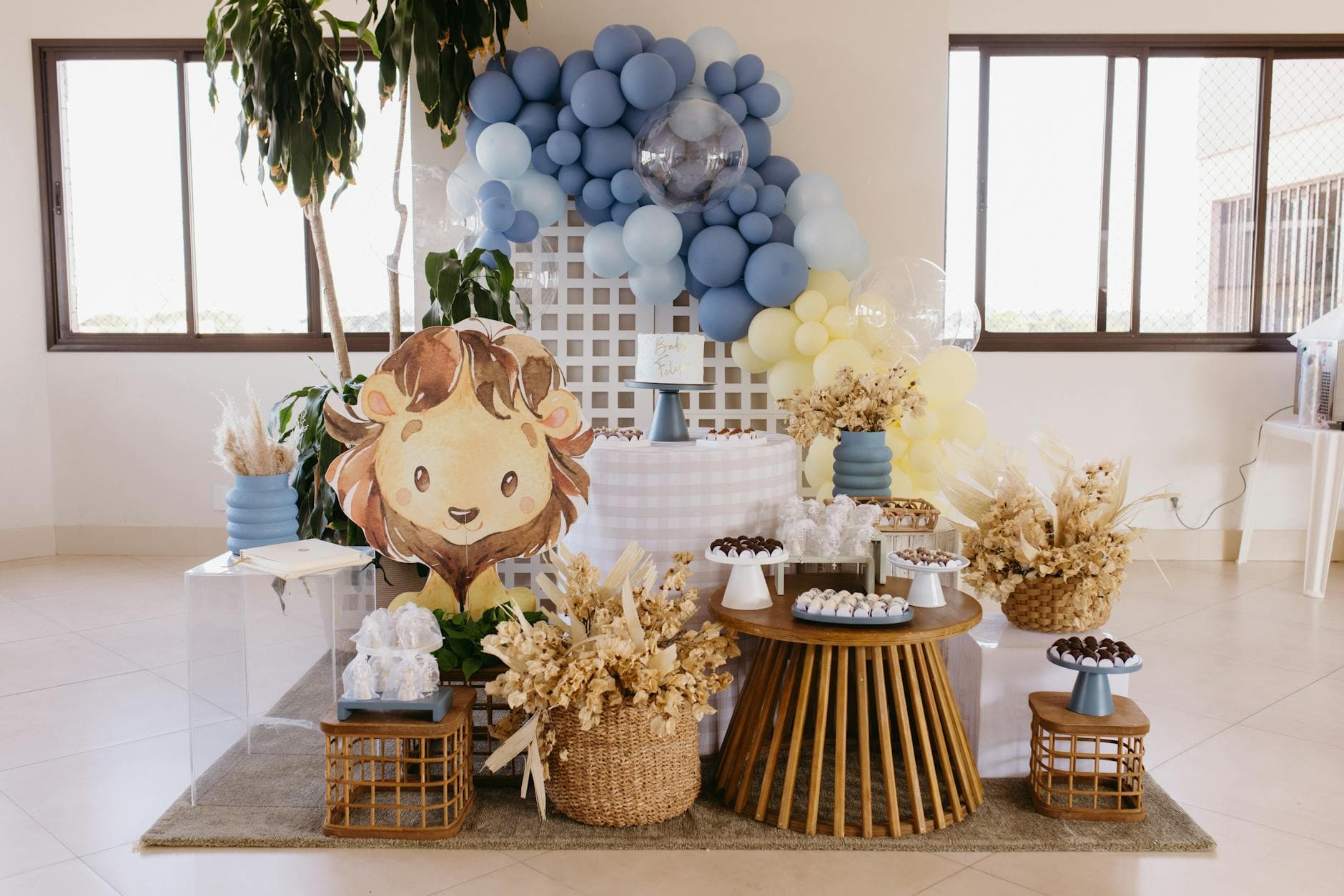
The planning advice is refreshingly grounded. Big Heart Little Star recommends aiming for the shower four to six weeks before the due date, keeping the guest list to about 10 to 20 people, and choosing the easiest venue possible. A home, a private room, or a coffee shop can all work if they keep logistics under control and make conversation easy.
Food should be equally uncomplicated. Brunch, afternoon tea, or a grazing-style spread are all smart options because they reduce the amount of cooking, plating, and cleanup. The guide also suggests appointing one helper for the day so the guest of honor is not stuck acting like a full-time host. That one detail matters more than it sounds: the best modern showers still feel polished, but they do not require the pregnant host to spend the afternoon running around with a serving tray.
The broader planning guidance is consistent with that low-friction model. The Bump says the first step is choosing a date and time, and it notes that there is no single perfect way to plan. Venue options can stretch from hotels and restaurants to parks, backyards, and living rooms, depending on the mood you want. In other words, the modern baby shower is not trying to impress an old etiquette judge. It is trying to work.
Why the old rules no longer fit
Baby showers are a relatively modern American tradition, and that matters because the original social logic came out of a very different moment. The Bump says the format became popular during the postwar baby boom of the 1940s and 1950s. The National Archives says 3.4 million babies were born in 1946, a 20% increase over 1945, which helps explain why showers became such a visible part of family life.
That era shaped the old etiquette assumptions. Weddings and births were organized differently, families often lived closer together, and the social expectations around who should host were narrower. Today, the picture is far messier and far more flexible. Couples may live across state lines from relatives, friends may be juggling work and kids, and the people who care most about the shower may be the ones willing to make it happen. The old taboo around family hosting or self-hosting simply does not match the way many households operate now.
The support piece is bigger than the registry
The emotional value of a shower also helps explain why these events still matter. Peer-reviewed research has found that prenatal social support is associated with better maternal and infant outcomes, including labor progress, Apgar scores, birth weight, and postpartum depression. Research also links a lack of social support during pregnancy with psychosocial vulnerability.
That does not mean a baby shower is a medical intervention. It does mean the gathering carries more weight than a stack of wrapped presents. For expectant parents with thinner support networks, or for people separated from family by distance, the shower can serve as one visible moment of care. A smaller, self-hosted gathering can still do that work if it feels personal, calm, and intentional.
Why self-hosting is becoming normal, not awkward
The numbers make the shift hard to ignore. Babylist reports that 91% of surveyed parents-to-be were involved in planning their baby shower to some degree, and 25% said they hosted their own baby shower with no other help. That is not a fringe behavior. It is a sign that baby shower planning has already moved toward shared control, smaller-scale execution, and more practical expectations.
Taken together, the guidance from Big Heart Little Star, Emily Post, The Bump, and Babylist points to the same conclusion: modern etiquette is less interested in rigid rules and more interested in making the celebration workable. If self-hosting is what makes the shower possible, it is not a breach of manners. It is the new standard.
This article was produced by Prism’s automated news system from verified source data, official records, and press releases, then run through automated quality and moderation checks before publishing. The system is built and supervised by the people who set the standards it runs under. Read our full AI policy.
Did this article answer your question?