Nashville Metro Public Health Hosts Community Baby Shower for Expecting Families
Metro Public Health turned a baby shower into a public health intervention, distributing diapers, car seats, and safe-sleep gear to Nashville families.
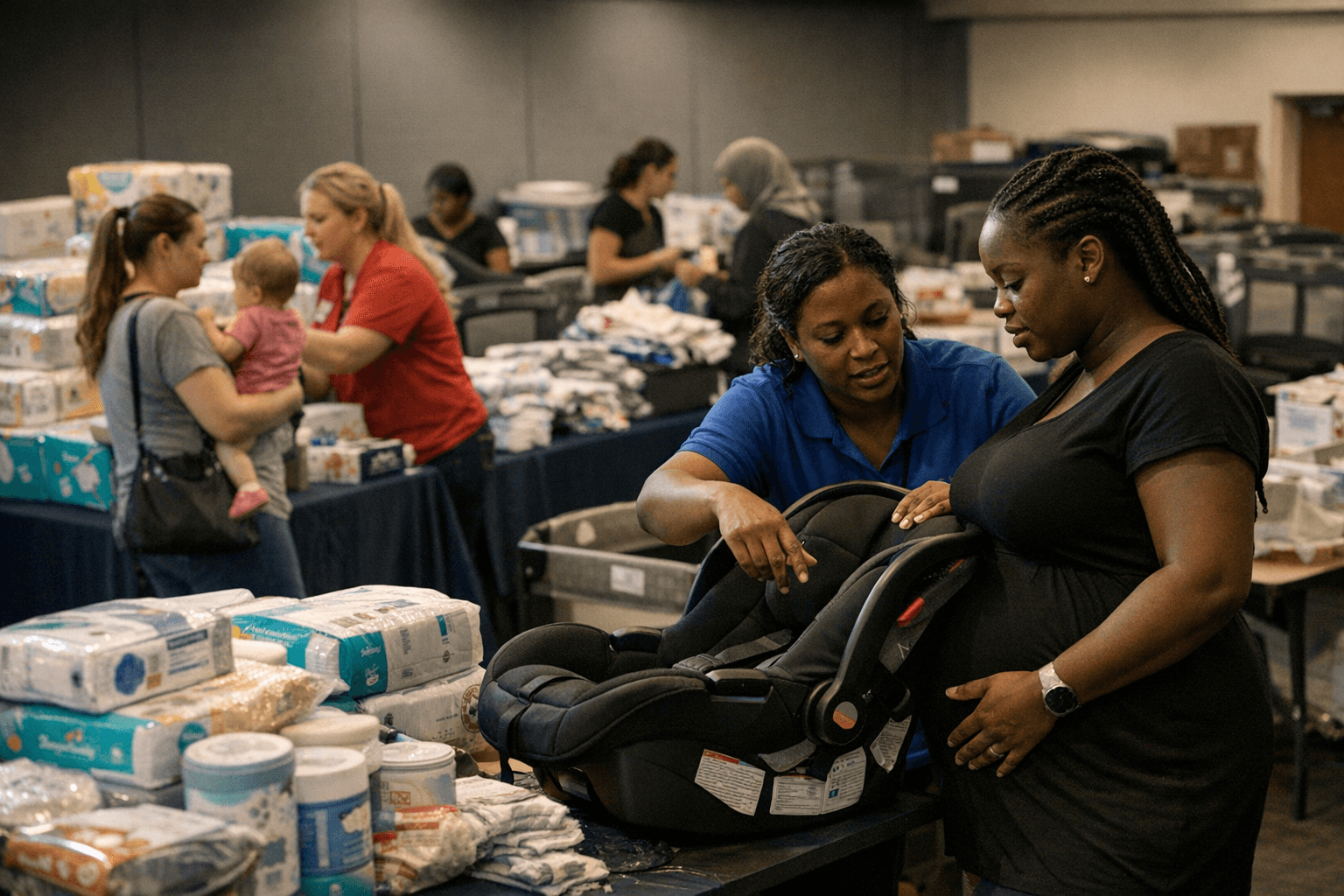
Metro Public Health turned a community celebration into a structured health intervention this past weekend, hosting a baby shower in Nashville that provided expecting families and new parents with supplies, education, and direct connections to local services they might not otherwise reach.
The event, held March 28 in Metro Nashville, combined the social warmth of a traditional baby shower with concrete public-health programming. Attendees received baby gear including diapers, car seats, and safe-sleep equipment, while partner service providers staffed informational tables to connect families with prenatal and postpartum care resources. Safe infant sleep education and breastfeeding support were also on the agenda, reflecting the dual mandate Metro Public Health brought to the gathering.
The department organized the shower alongside community partners, a model that has gained traction among local health agencies over the past decade. What began as primarily charitable gatherings have evolved into coordinated interventions, designed to pair material assistance with evidence-based education and to use the natural trust of a celebratory setting to lower barriers between families and health systems.
The access dimension was central to the event's rationale. For families navigating tight budgets or limited familiarity with local services, a single event offering car seats, diapers, and referrals to ongoing care compresses both time and effort. Metro Public Health's decision to anchor this programming at the municipal level reflects a broader push in Nashville-Davidson County to integrate wraparound maternal-child health supports into its public health infrastructure.
Municipal-hosted showers like this one have become a meaningful channel for brands, retailers, and nonprofit partners to reach families who may never encounter a retail baby registry. The programming carries real expectations in that context: product safety standards, culturally appropriate messaging, and pathways to sustained support matter more here than in a commercial setting. Vendors and event-services firms operating in this space also navigate procurement requirements, liability considerations, and data privacy obligations tied to attendee registrations.
Metro Public Health has not yet released outcome data from the event, including whether the department tracks changes in participant knowledge or behavior, or how it measures the shower's downstream impact on infant and maternal health across Davidson County. That gap is common following community health events, and it marks the line between a one-time giveaway and a durable public-health program worth replicating.
Nashville's effort fits a pattern unfolding in cities and counties that are increasingly unwilling to treat a crib or a box of diapers as a luxury.
This article was produced by Prism’s automated news system from verified source data, official records, and press releases, then run through automated quality and moderation checks before publishing. The system is built and supervised by the people who set the standards it runs under. Read our full AI policy.
Did this article answer your question?