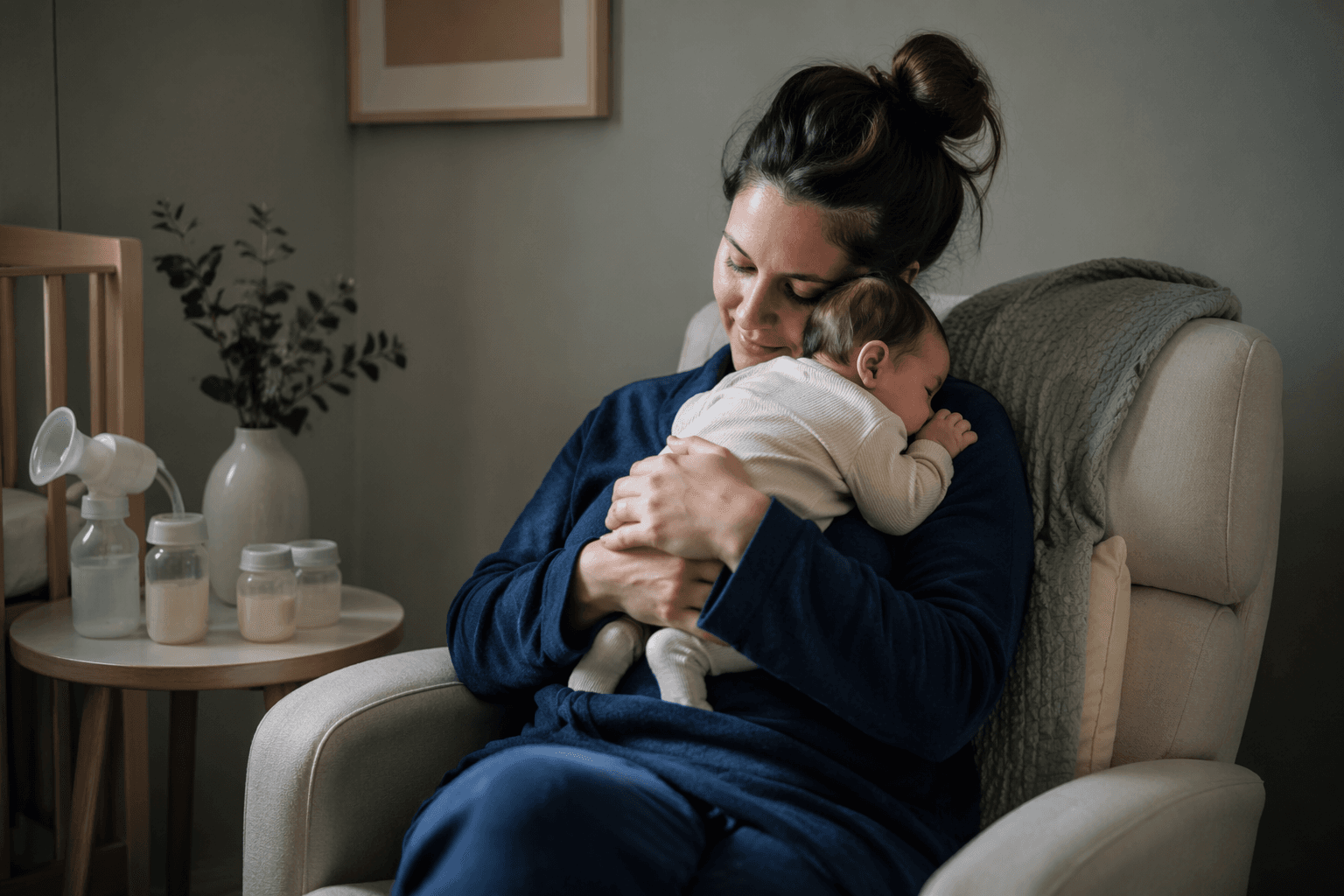
Postpartum Support International spotlights maternal mental health during May awareness month
PSI tied May 6 World Maternal Mental Health Day to baby-shower planning, urging practical postpartum support. Its 2026 forum added 30-plus-language captions.

Postpartum Support International used Maternal Mental Health Month to push a blunt message: one in five women and at least one in 10 men experience depression or anxiety during the perinatal period, and many do not realize they are dealing with a recognized, treatable health issue. The group rolled the campaign out as part of a May 4, 2026 awareness push built around pregnancy, postpartum recovery and the support network that often gathers around a baby shower.
World Maternal Mental Health Day fell on May 6, the first Wednesday in May, and PSI linked it with Mother’s Day on May 10 to create a week of heightened attention. Its 2026 World Maternal Mental Health Forum ran May 4-7 and was billed as PSI’s first multilingual forum, with live captions in more than 30 languages and three free continuing-education sessions for U.S.-based providers. The broader awareness calendar also included Maternal Mental Health Week and Postpartum Psychosis Awareness Day, while organizations in the United States, Canada, the United Kingdom, Turkey, Australia, Argentina, Malta, New Zealand, South Africa, Spain, Germany and Nigeria took part in coordinated events.
PSI president and CEO Wendy Davis said people should check in on the mothers in their lives and help connect them with support if they need it. The organization says no diagnosis is required to reach out, and its HelpLine is available by phone or text alongside peer support groups, provider referrals and a weekly Chat with an Expert session that does not require preregistration or even a name. That open-door approach matters because the barriers are often practical as much as clinical. ACOG says perinatal mood and anxiety disorders are among the most common complications in pregnancy or the first 12 months after delivery, the CDC says screening opportunities are still missed at prenatal and postpartum visits, and the National Institute of Mental Health says perinatal depression can be treated.
The baby shower angle is where PSI’s campaign lands with the most force. A registry can cover the crib and the bottles, but it can also cover the first hard weeks after delivery: meals dropped at the door, a schedule of check-ins, a text thread that is actually used, a backup plan for sleep, and the phone number for a therapist, peer group or HelpLine saved before the baby arrives. PSI’s message recasts the shower as the start of a support plan, not the end of a celebration, and that is the part that can make a real difference once the gifts are opened and the house gets quiet.
This article was produced by Prism’s automated news system from verified source data, official records, and press releases, then run through automated quality and moderation checks before publishing. The system is built and supervised by the people who set the standards it runs under. Read our full AI policy.
Did this article answer your question?