Virtual Baby Shower Planning Guide Covers Platforms, Steps, and Engagement Ideas
Planning a virtual baby shower is easier than you think, with the right timeline, platform, and a few smart engagement tricks to keep guests connected.
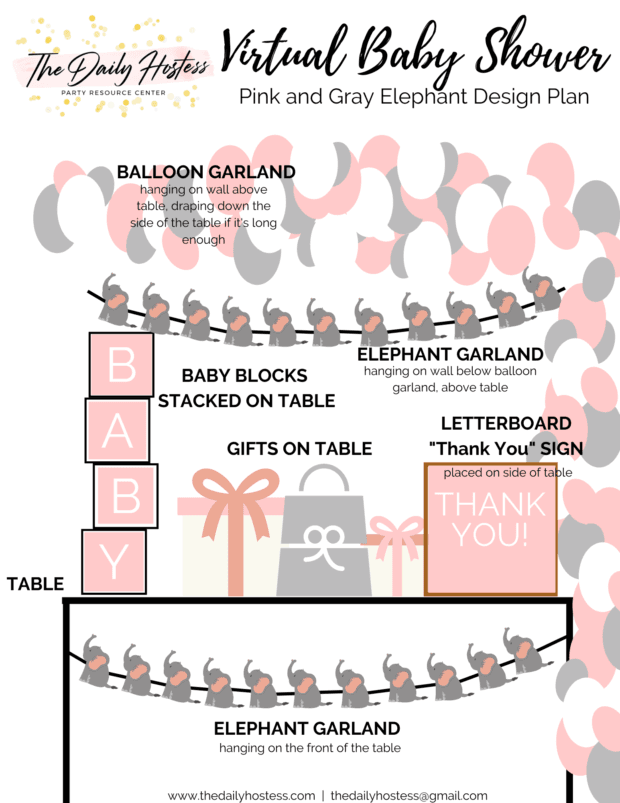
Hosting a baby shower when family and friends are scattered across cities, states, or countries doesn't mean settling for a lesser celebration. Virtual baby showers have become a legitimate and often preferred alternative, and pulling one off smoothly comes down to three fundamentals: solid planning, the right technology, and engagement strategies that make remote guests feel genuinely present.
Start with the honoree
The best place to start with planning is to ask the honoree what she has in mind. That single step sets the tone for every decision that follows. Hosts can share ideas with the guest of honor for feedback early in the process, because making sure that expectations are met will ensure the party is a success. Every choice about platform, timing, theme, and activities should trace back to what the mom-to-be (or dad-to-be) actually wants from the event.
Once you have a sense of her vision, lock in the date and time together. The date should be at least a month out to allow for organizing and setting up invitations ahead of the recommended send window of roughly three weeks before the shower date. That four-week minimum isn't padding; it's the realistic lead time needed to coordinate platform setup, registry sharing, gift shipping logistics, and any decor or food deliveries that need to reach guests beforehand.
Choosing your platform
Platform selection is one of the most consequential early decisions, and it's worth thinking through carefully. General-purpose video tools like Zoom or Google Meet work for basic gatherings, but dedicated virtual shower platforms offer a more cohesive experience.
One option cited frequently in planning resources is WebBabyShower, which describes itself as the #1 market leader in virtual baby showers and claims to have helped over 10,000 customers and happy families since 2006. (Those figures are the company's own stated claims and should be taken as such.) The platform is designed so hosts can set up a shower in minutes, and its feature set is notably comprehensive: a guest book, a gift registry page, video and photo albums, a games page with a scoreboard, and the ability to send and track personalized invitations directly from within the platform. That last feature is particularly practical, since managing RSVPs and invitation delivery through one system reduces the coordination overhead that tends to pile up when using separate tools.
Whatever platform you land on, general-purpose or dedicated, one principle applies universally: "No matter what platform you use, it's a good idea to do a trial run with a couple of close friends or family members using any bells/whistles you plan to use during the shower so that you'll be completely comfortable with it when the big day comes." Testing screen sharing, audio settings, any game or activity features, and the gift-opening flow in advance prevents the kind of technical friction that derails momentum during the actual event.
Invitations and pre-party engagement
Sending invitations roughly three weeks before the shower date gives guests enough notice to arrange gift shipping, block off their schedules, and participate in any pre-event activities. Beyond simply announcing the occasion, invitations can do engagement work on their own: consider asking those invited to drop their favorite baby items in the invitation platform as comments that can be shared with the guest of honor. It's a simple gesture that generates personalized content, sparks conversation before the event even begins, and gives the honoree something meaningful to read through in the days leading up to the shower.
Registry and gift logistics
Online baby registries are a natural fit for virtual showers, and the process is already familiar to most guests. The parents-to-be simply shop online at their favorite stores or on Amazon and add desired items to a public list which can be shared with guests. Linking the registry directly from the invitation keeps everything in one place and removes any guesswork about where to shop.

The logistics of gift-opening during a virtual event require one specific coordination step: ask that all gifts be sent directly to the mom or dad in advance so that they can be opened online during the party. This transforms a potentially awkward "we'll open gifts after" situation into one of the most interactive moments of the shower, with guests watching in real time and reacting to each reveal. It requires some lead time on shipping, so building that into your one-month planning window is important.
For guests looking for product ideas beyond the registry, sleep solutions and travel gear tend to be popular additions to wish lists. SlumberPod, a product designed for room-sharing situations, notes that "our customers say it's a total game-changer for room-sharing where ever you are." That recommendation appears in a promotional context and should be weighed accordingly, but it reflects the kind of practical, experience-based gift that parents often appreciate alongside traditional registry items.
Games, activities, and keeping guests engaged
One of the genuine challenges of a virtual format is maintaining energy and interaction across a video call, particularly when guest counts are large. Building structured activities into the agenda is the most reliable way to keep engagement high throughout the event.
Platforms with built-in games and scoreboards, like the one WebBabyShower includes, streamline this considerably since there's no need to export results to a separate spreadsheet or manage scoring manually. Classic baby shower games translate well to virtual formats: baby trivia, "guess the baby photo," due date predictions, and price-guessing games for common baby items all work without requiring any physical props. The key is designating a host or co-host specifically responsible for running activities, so the primary host can focus on the honoree and managing the overall flow.
Engagement doesn't have to stop at formal games. Encouraging guests to react visibly during gift-opening, share their own new-parent memories in the chat, or hold up items they've used and love can fill natural pauses and make the event feel more like a conversation than a broadcast.
Decorations, food, and atmosphere
Don't overlook decorations and food simply because the event is virtual. Coordinating a theme with the honoree and encouraging guests to set up a small decorated backdrop or wear a color that matches the shower palette creates visual cohesion across a grid of video thumbnails. Sending a small care package or a digital recipe for a themed drink or snack in advance gives guests a tactile connection to the event that screens alone can't provide.
Ordering from a local bakery for delivery, sending a custom dessert kit, or simply designating a "snack of the day" that everyone prepares at home turns an ordinary Tuesday afternoon video call into something that feels intentional and celebratory. The details don't need to be elaborate; they just need to be considered.
Bringing it together
A successful virtual baby shower isn't the result of any single decision; it's the cumulative effect of starting early, aligning with the honoree, choosing a platform you've actually tested, and giving guests concrete ways to participate from wherever they are. The one-month planning window and three-week invitation lead time aren't arbitrary suggestions; they're the margins that allow every other piece to fall into place without last-minute scrambling. Virtual formats, done well, can bring together guests who would never have been in the same room for a traditional shower, which is ultimately what makes them worth getting right.
This article was produced by Prism’s automated news system from verified source data, official records, and press releases, then run through automated quality and moderation checks before publishing. The system is built and supervised by the people who set the standards it runs under. Read our full AI policy.
Did this article answer your question?