Zazzle shows baby shower invitations evolving into a searchable retail category
Zazzle turns baby shower invites into a searchable shopping job, with 219,603 invitation results and tools that make theme, format, and finish the real decision.
Baby shower invites now behave like a retail search
Zazzle’s baby shower invitation marketplace is a good reminder that stationery no longer lives in a neat little aisle of pink and blue cards. It behaves more like any other large retail category: you start with a vibe, filter by features, compare finishes, and only then settle on the invite that fits the shower you are actually throwing.
That shift matters because the page is huge. Zazzle’s baby shower invitations page shows 219,603 results, while its broader baby-invitations category shows 349,738 results. In practice, that means the real task is not finding an invitation at all; it is narrowing a massive catalog down to the design language, format, and price point that make sense for your event.
Theme matching is the first filter that matters
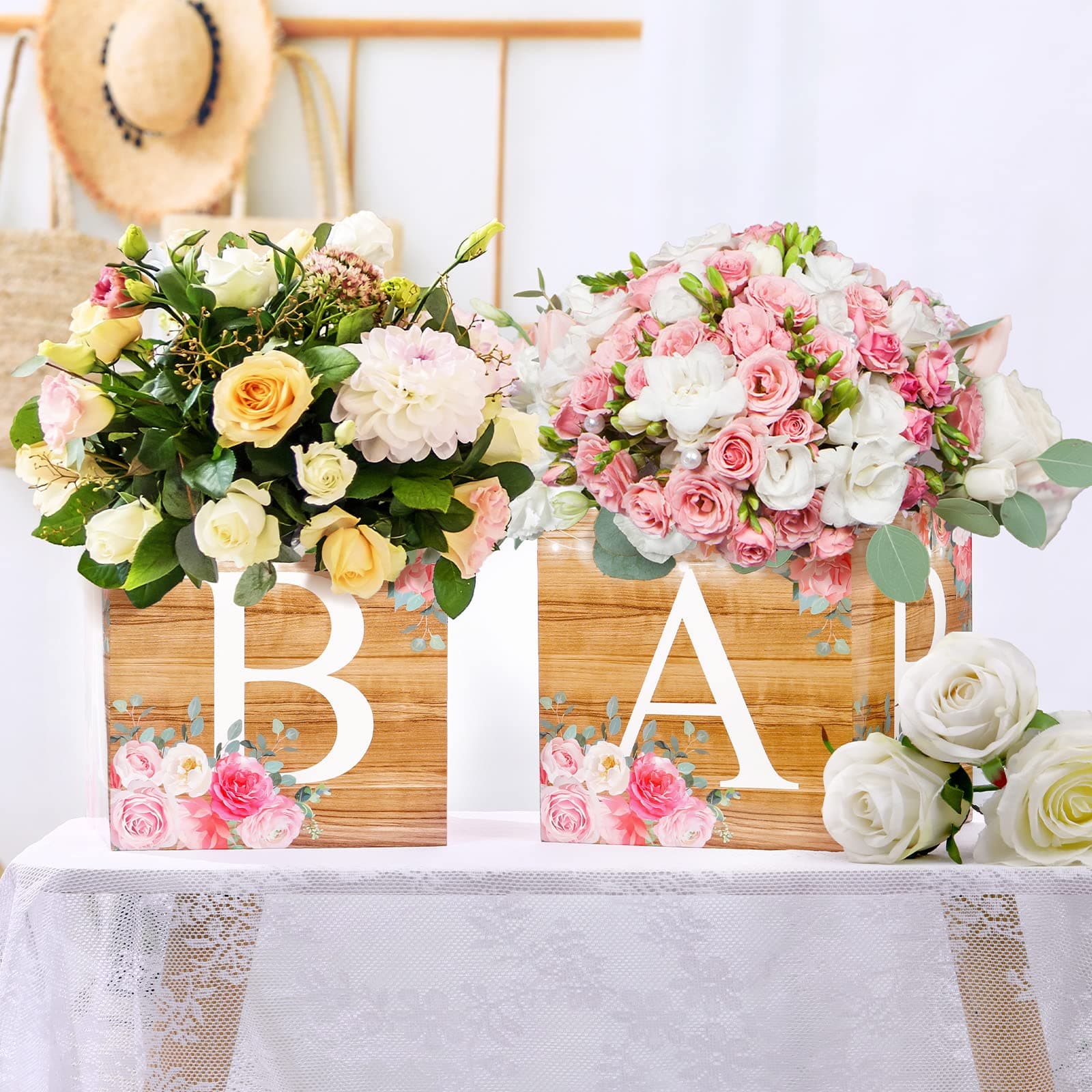
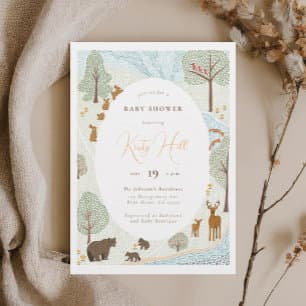
The strongest signal on the page is how clearly Zazzle breaks invitations into visual themes. The assortment includes boy, girl, gender-neutral, sunshine, teddy bear, butterfly, modern, floral, and more, which tells you exactly how the platform expects shoppers to think. You are not just buying paper; you are buying into a look that has to connect with the rest of the shower.
That is the right way to shop this category. If the table setup, cake, and decor are leaning soft and floral, a modern geometric invitation will feel off. If you are doing a gender-neutral shower with sunshine motifs or a playful teddy bear setup, the invitation becomes the first proof that the theme is coherent, not accidental.
Customization is where the category becomes useful
Zazzle’s custom baby shower invitations page pushes hard on free customization, and that is the part that separates a generic card from a workable event product. The custom page highlights cards with photos and text, which means you can turn the invite into something personal without starting from scratch.
The format range is just as important. Zazzle lists flat invitations, enclosure cards, acrylic invitations, folded invitations, magnetic cards, and foil invitations on its custom page, so the choice is not only about what the card looks like but how it is built. That is the sort of detail that matters when you want the invitation to feel intentional rather than mass-market.
Digital and custom options solve different problems
Zazzle’s digital baby shower invitations page is aimed at a different kind of need: speed. If you are working with a shorter runway, digital invites cut the physical production step out of the equation and let the design do the work.
The custom page, by contrast, is about control. On Zazzle’s U.S. site it showed 77 results for custom baby shower invitations, and the Canada site showed 96 at the time of search, which is a reminder that local inventory can differ even inside the same marketplace. If you need photo integration, text edits, or a specialty format like foil or magnetic, the custom route is the one that gives you the most leverage.
The baby-shower hub makes the invitation part of the whole event
Zazzle’s baby-shower hub does something smart: it connects invitations with decor, gifts, favors, and other party products. That is not just merchandising fluff. It reflects how people actually plan showers now, where the invitation sets the tone for the banner, the games, the thank-you notes, and the rest of the paper goods.
That broader ecosystem is where the marketplace model really pays off. Instead of hunting across separate stores for matching pieces, you can keep one aesthetic intact across the entire event. A floral invite can lead into floral signage, coordinated favor tags, and matching game cards, which is exactly how a polished shower starts to feel expensive without being chaotic.

Why marketplace scale changes the buying decision
Zazzle’s scale is the story behind the story. Forbes Advisor has said the company has over 30 million customers per year, and that kind of traffic explains why the assortment is so deep. A marketplace with that reach can aggregate enormous template volume and let shoppers sort by the features that matter most instead of forcing everyone into a small set of canned designs.
The category filters help make that scale usable. On Zazzle, shoppers can sort by popular and filter by design color and number of photos, which is the right starting point when the catalog has six figures of options. The point is not to browse everything; the point is to make the search behave like a design brief.
The broader stationery market is moving the same way
Zazzle is not alone in pushing baby shower stationery toward customization and theme matching. Shutterfly’s baby shower invitations page lets users filter by gender, photo, theme, style, trim options, foil and glitter, number of photos, design color, and paper type. Canva’s baby shower collection goes even broader, letting users create invitations, cards, social media posts, and more.
Etsy’s personalized baby shower invitations marketplace shows 5,000-plus items and includes both digital downloads and custom designs. Paper Source and The Stationery Studio also play in the same lane, emphasizing customizable, theme-based baby shower invitations and matching stationery suites. The message across the category is consistent: the invite is not a standalone card anymore, it is the first layer of a coordinated visual system.
The numbers behind personalized stationery explain the shift
The retail logic is backed by market growth. One recent market report valued the worldwide personalized stationery market at $4.56 billion in 2023 and projected it to reach $6.46 billion by 2030. Other reports are even more aggressive, projecting the category at $13.97 billion in 2025 growing to $19.56 billion by 2033, or $28.6 billion in 2025 growing to $52.4 billion by 2034, depending on methodology.
Those projections are not identical, but they point in the same direction: personalized stationery is being pulled forward by self-expression, gifting, digital printing, e-commerce, and demand for unique products. Baby shower invitations sit right in the middle of that demand curve, where the customer wants something personal but still expects retail convenience.
Baby showers themselves help explain why the format keeps evolving
The invitation category has also inherited a long cultural runway. One history source places the modern form of baby showers in the middle of the 20th century, while another traces the modern baby shower back to Victorian-era layette parties in 19th-century England. Either way, the current version of the event has always been tied to social signaling as much as celebration.
That is why the invitation carries more weight than a simple date-and-time card. It signals the style of the shower, the level of formality, and the tone of the gathering before the first guest arrives. Zazzle’s marketplace model works because it treats that signal as a design problem, not a commodity purchase.
In the end, the useful way to shop baby shower invitations is the way Zazzle already frames them: by theme, customization depth, print finish, turnaround needs, and budget. Once the category is handled that way, the invitation stops being a generic card and becomes the first smart decision in the whole celebration.
This article was produced by Prism’s automated news system from verified source data, official records, and press releases, then run through automated quality and moderation checks before publishing. The system is built and supervised by the people who set the standards it runs under. Read our full AI policy.
Did this article answer your question?