Barcelona Fitness Pass turns workouts into a bookable travel experience
Barcelona’s fitness passes now read like hotel-bookable excursions, not local memberships. That shift is giving visitors easy gym access and studios a new sales channel.
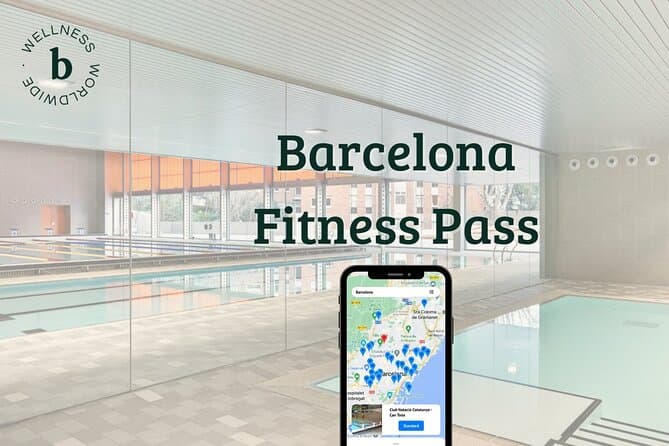
Barcelona’s gym scene is being packaged like a city break add-on. The Barcelona Fitness Pass sits inside Marriott Bonvoy Tours & Activities, where exercise is presented alongside sightseeing and other bookable things to do in Barcelona rather than as a neighborhood membership product.
That matters because it changes the way the city’s fitness offer is sold. Instead of asking a visitor to decode day passes, class schedules, and studio rules on the fly, the pass puts the basics in one place and frames working out as part of the travel plan.
Fitness as a travel product
Marriott Bonvoy’s Barcelona activities hub curates tours and activities in the city, and the fitness pass is listed in that same marketplace. The booking page is structured like a trip product, with sections for what you will do, what is included, what is not included, itinerary, meeting point, and cancellation policy.
That structure is the tell. A local gym membership is built around repetition and routine. A travel pass is built around clarity, speed, and low commitment, which is exactly what short-stay visitors want when they are fitting a workout between lunch reservations and museum tickets.
The wider Marriott Bonvoy platform also treats Tours & Activities as part of its consumer travel offering, and Barcelona is one of the cities where that strategy is visible on the ground. In the same city, Marriott already sells other day-use leisure products through W Barcelona, including VIP Cabanas and a Day Pool Pass. Fitness is being pulled into the same hospitality logic.
What the pass actually offers
The clearest version of the offer comes from Viator, which lists the Barcelona Fitness Pass as access to over 20 gyms in the city. It also says the pass includes hundreds of daily fitness classes and comes in 1-, 2-, or 4-entry options, with passes valid for 30 days after first redemption.
Tripadvisor describes the same product a little differently but points in the same direction: access to multiple gyms, studios and fitness experiences across Barcelona. Tripadvisor also notes that the pass is not valid for people under 18 years of age, which is useful detail for families trying to plan around it.
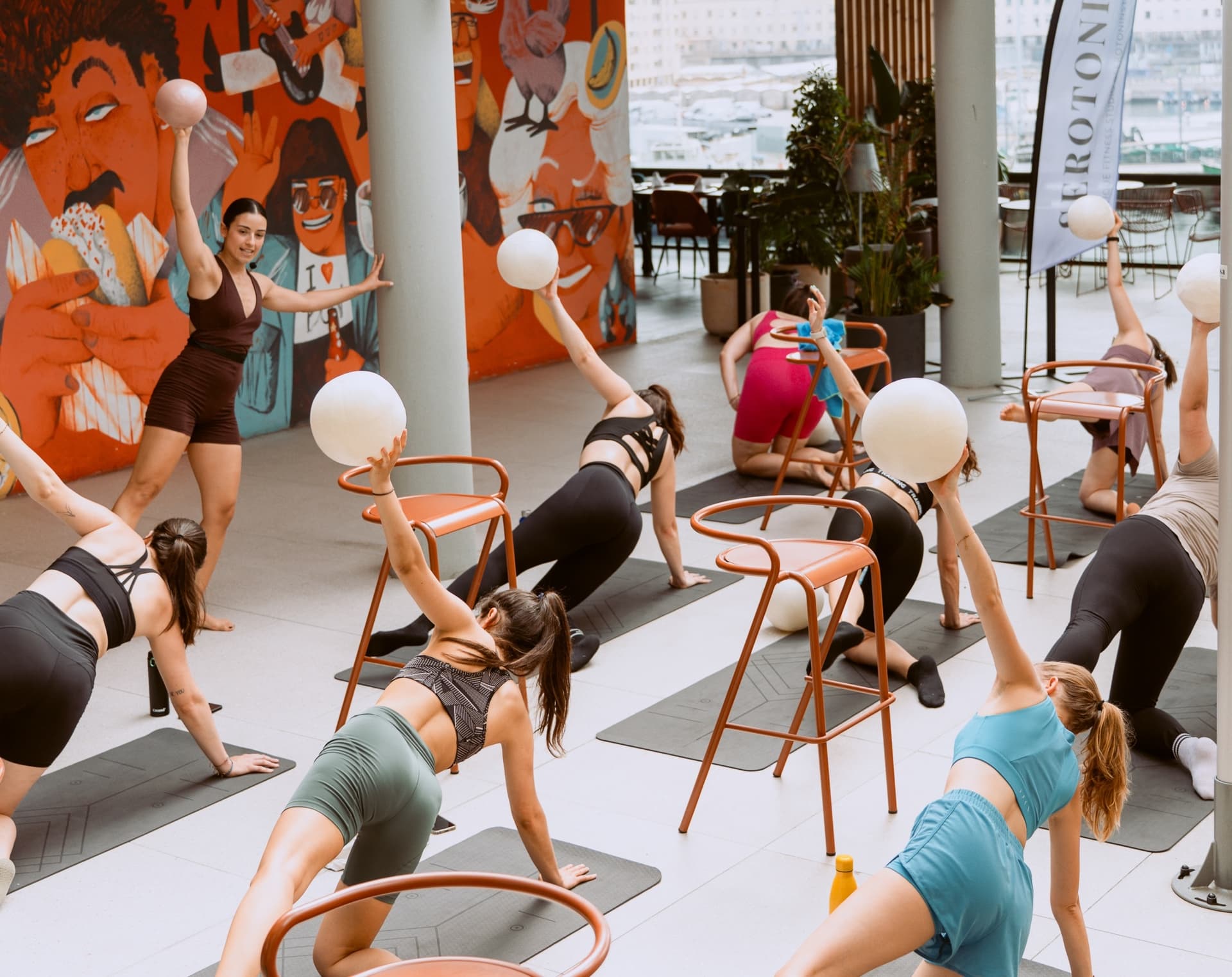
Agoda’s version makes the class mix more explicit. Its Barcelona Fitness Pass listing says it gives access to a wide selection of gyms and fitness studios across Barcelona and includes classes such as cycling, pilates, and yoga. That combination tells you who this is really for: travelers who want variety without committing to a full club contract.
Why this works for visitors
For a lot of travelers, the barrier is not willingness but friction. Short-stay guests do not want to spend the first day of a trip comparing gym rules, asking about locker access, or negotiating one-off pricing in a language they may not speak. A pass that bundles the basics into a single booking solves that problem fast.
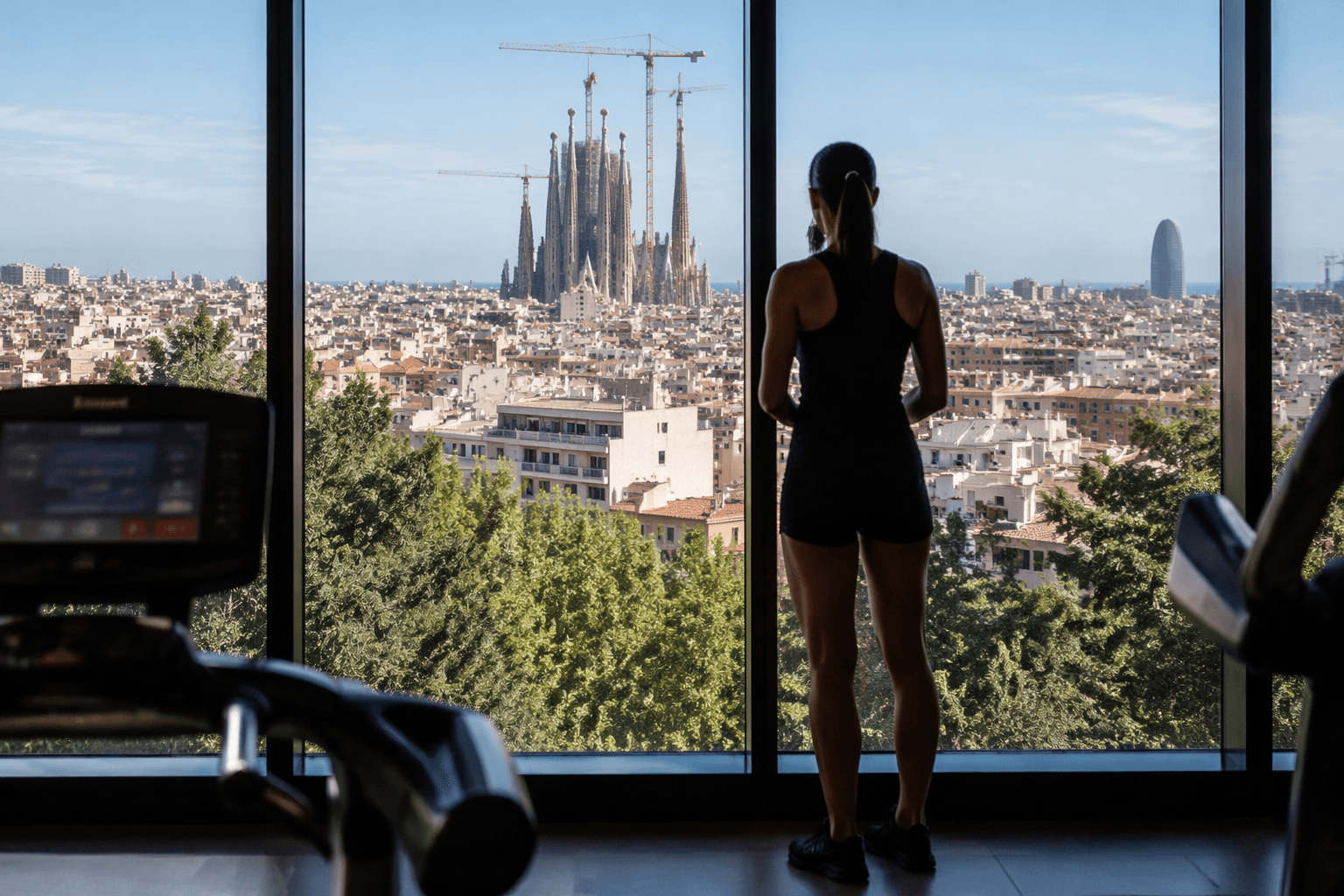
The Marriott format does some of the heavy lifting here. A meeting point, cancellation policy, and itinerary are the kind of details that make sense for a visitor who is already booking dinners, transfers, and day trips through the same travel ecosystem. The workout becomes one more reserved activity, not a local errand.
That shift also suits digital nomads and business travelers who want to stay active without re-entering the long-term membership market. They do not need the full economics of a neighborhood gym. They need a clean way to get in, train, and leave.
What it means for local studios and gyms
For Barcelona studios, the upside is reach. A packaged pass can introduce a gym or class to people who would never find it through local word of mouth, and it can do that at exactly the moment those visitors are looking for something to book. For operators, that is new demand without needing to build a tourist acquisition strategy from scratch.
It also pushes gyms toward the kind of service design travelers reward. Flexible scheduling, clear multilingual instructions, and frictionless online booking become part of the product, not extras. The businesses that make themselves easy to understand on a phone screen are the ones most likely to benefit from this kind of distribution.
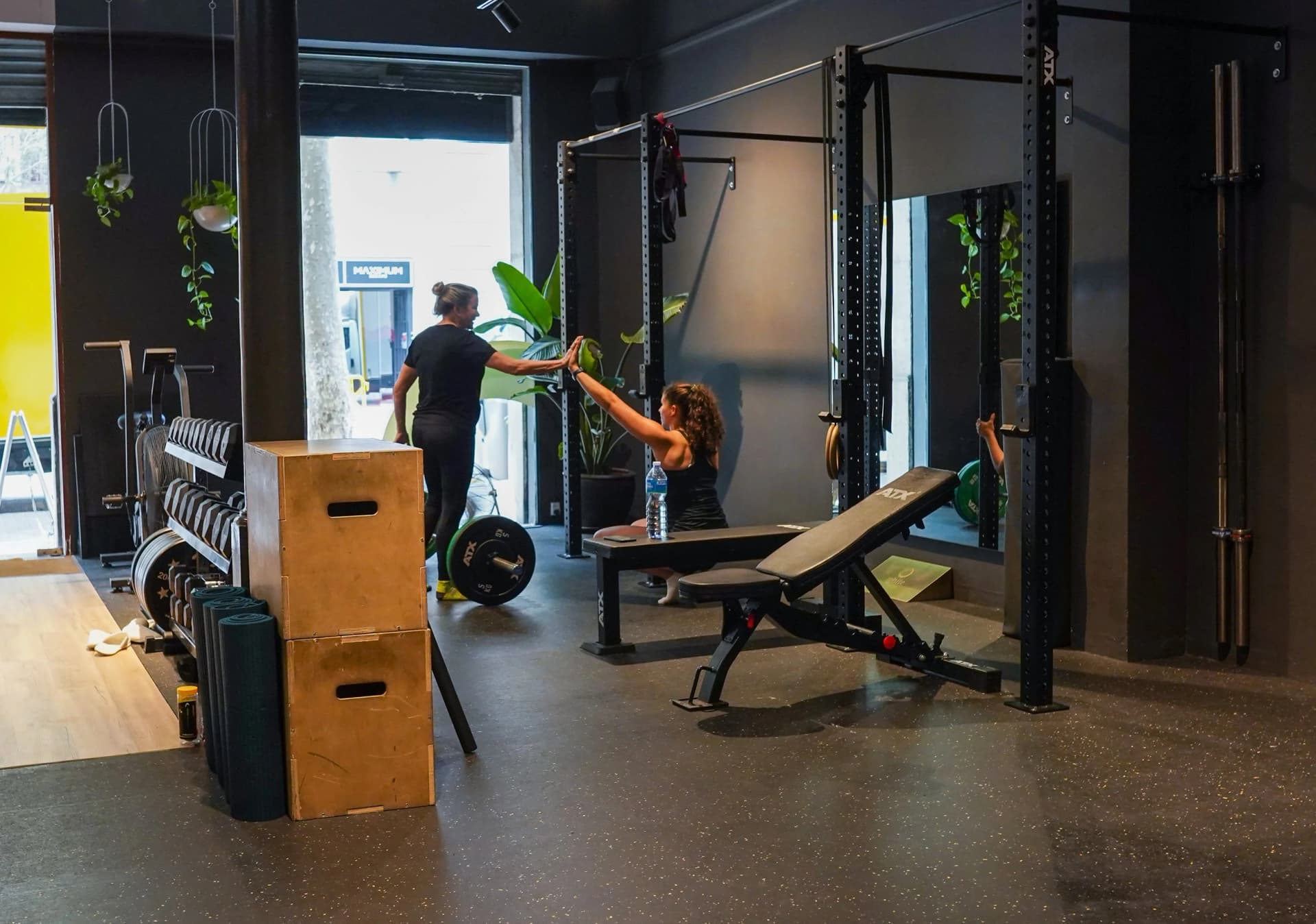
Price points on the ground show that the market for short-term access already exists. One Barcelona fitness center advertises a day pass starting from 6.95 euros. A Tripadvisor reviewer said they paid 10 euros per day for five days at DiR Claris and were able to use all facilities. That is a small but telling sign that day-pass demand in Barcelona did not begin with the travel platforms, it is being reorganized by them.
The hospitality layer is getting thicker
The bigger story is not one pass, but the way hospitality brands are assembling wellness into a more modular trip. Barcelona’s fitness offer is no longer just a local service sold to residents with long-term routines. It is being merchandised as a bookable experience that sits next to museum tickets, rooftop drinks, and pool access in the same travel funnel.
That is why Marriott’s Barcelona listings matter beyond their own brand. When a hotel group puts a fitness pass into its activities marketplace, and then sells a VIP cabanas and day pool pass through the same city ecosystem, it signals that wellness is being treated as a travel amenity with multiple entry points. The product is not a gym membership in disguise. It is a short-stay access model with hospitality language wrapped around it.
For Barcelona, that means the city’s fitness operators are increasingly competing not only on equipment and classes, but on packaging. The studios that can make their doors, schedules, and booking rules legible to travelers will be the ones most likely to win from the tourism-ification of the workout.
This article was produced by Prism’s automated news system from verified source data, official records, and press releases, then run through automated quality and moderation checks before publishing. The system is built and supervised by the people who set the standards it runs under. Read our full AI policy.
Did this article answer your question?