Barcelona Fitness spotlights strength training for women as health foundation
Barcelona trainers are treating strength work as women’s health insurance: preserve muscle, protect bone, recover better and age with more resilience.
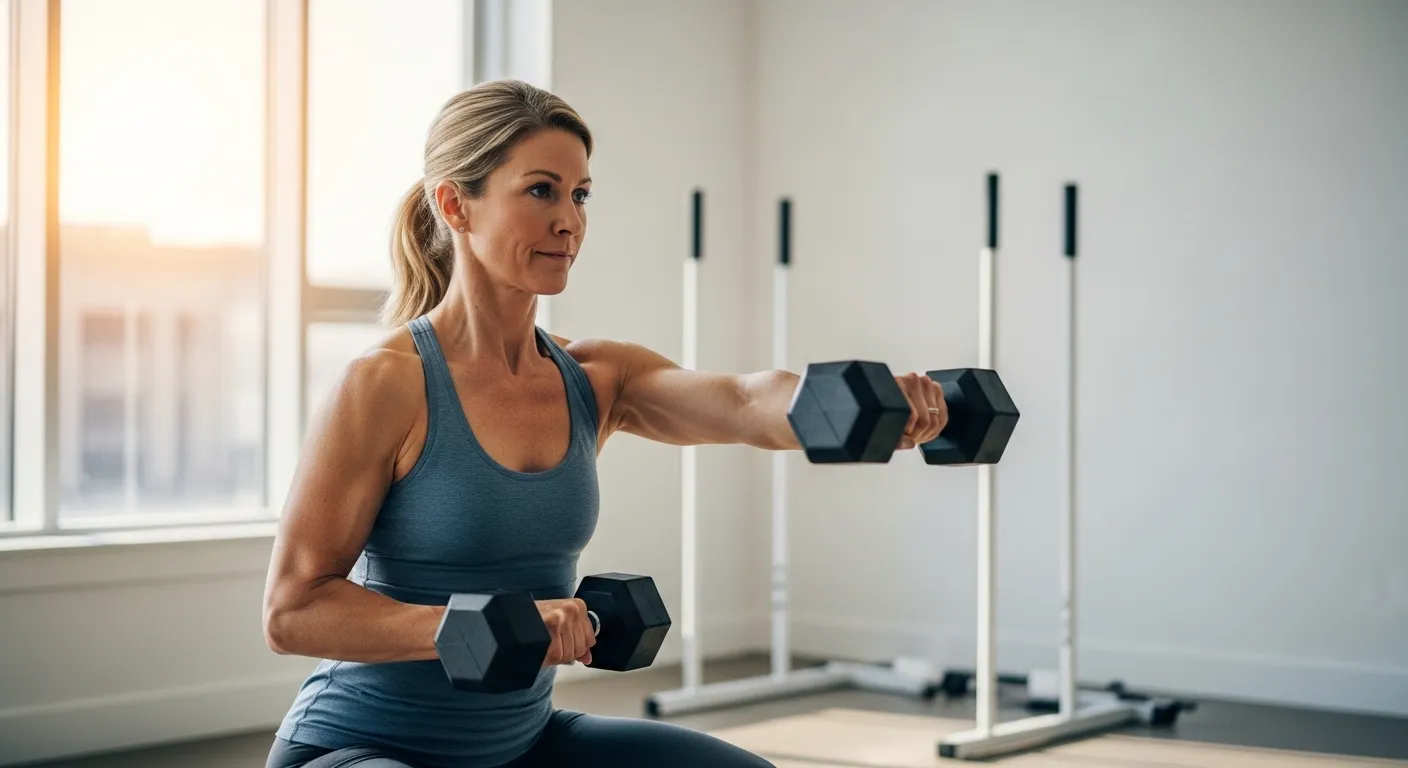
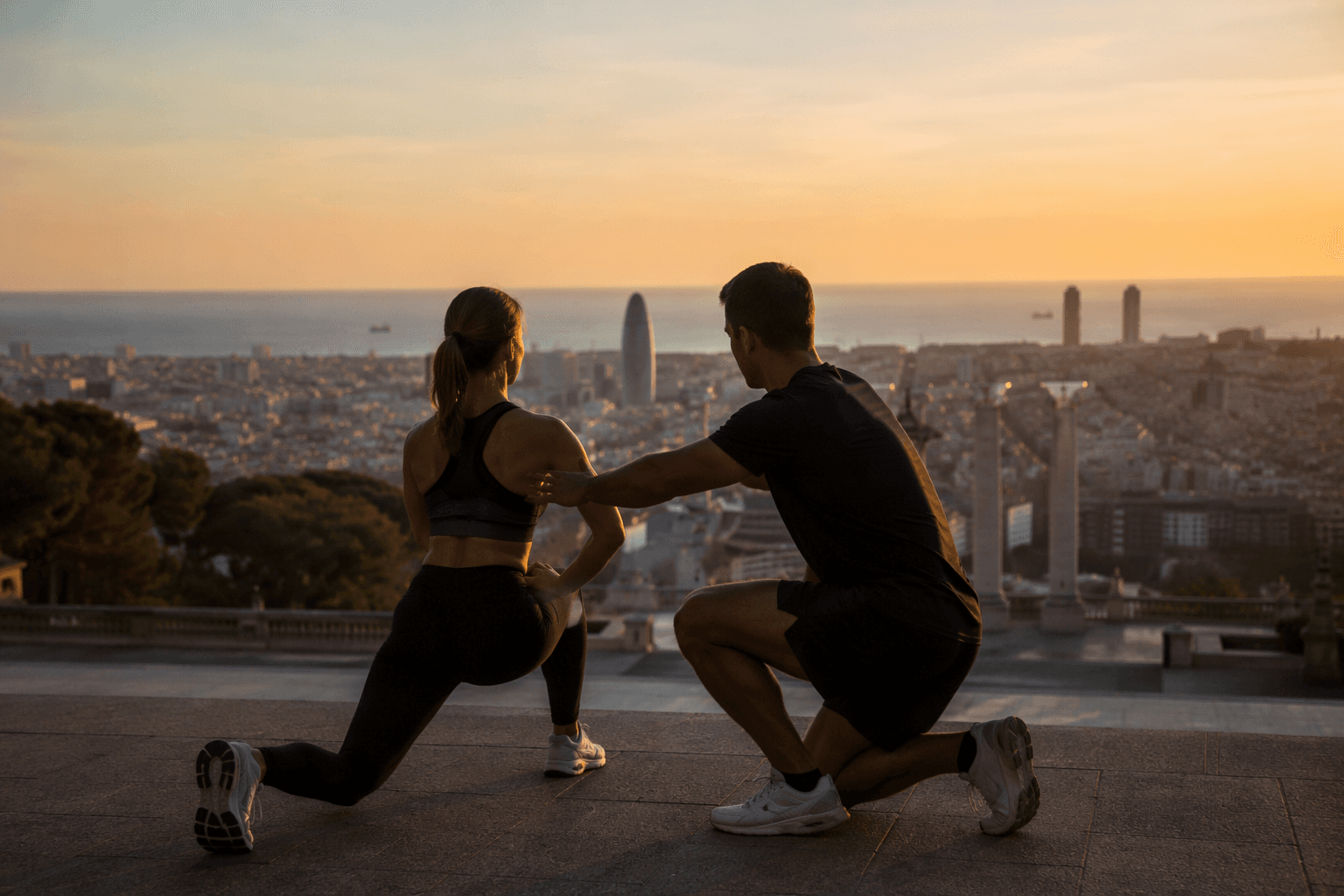
In a city packed with boutique studios and one-to-one coaching, Barcelona’s women’s fitness market is moving away from the old calorie-burn script and toward stronger muscles, denser bones, better recovery and more durable aging. Personal Trainer Barcelona says the shift is happening "in a big way", and that message is becoming a real market differentiator.
Strength training is becoming the default health conversation
The biggest correction is simple: women are no longer being sold exercise mainly as a way to lose weight or chase a certain look. The newer frame is practical, and it is showing up in how trainers talk about muscle preservation, recovery and long-term health. Muscle is not just about shape. It supports joints, helps with balance, protects everyday function and gives women a better base for training as hormones, age and workload change.
That language was already building in 2025, when the National Strength and Conditioning Association laid out strategies for trainers working with middle-aged perimenopausal clients. By mid-2026, Virginia Physicians for Women was treating bone-strength work as a mainstream topic, with Dr. Emily J. Stone noting that it had been "a hot topic" at The Menopause Society’s 2025 Annual Meeting.
Why the evidence keeps pointing back to resistance work
The public-health case for lifting is straightforward. The NHS recommends that adults aged 19 to 64 do at least 2 hours and 30 minutes of moderate-intensity aerobic activity each week, and it treats weight-bearing exercise and resistance exercise as especially important for improving bone density and helping prevent osteoporosis. Aerobic work builds fitness, while resistance and impact work help the skeleton stay sturdy.
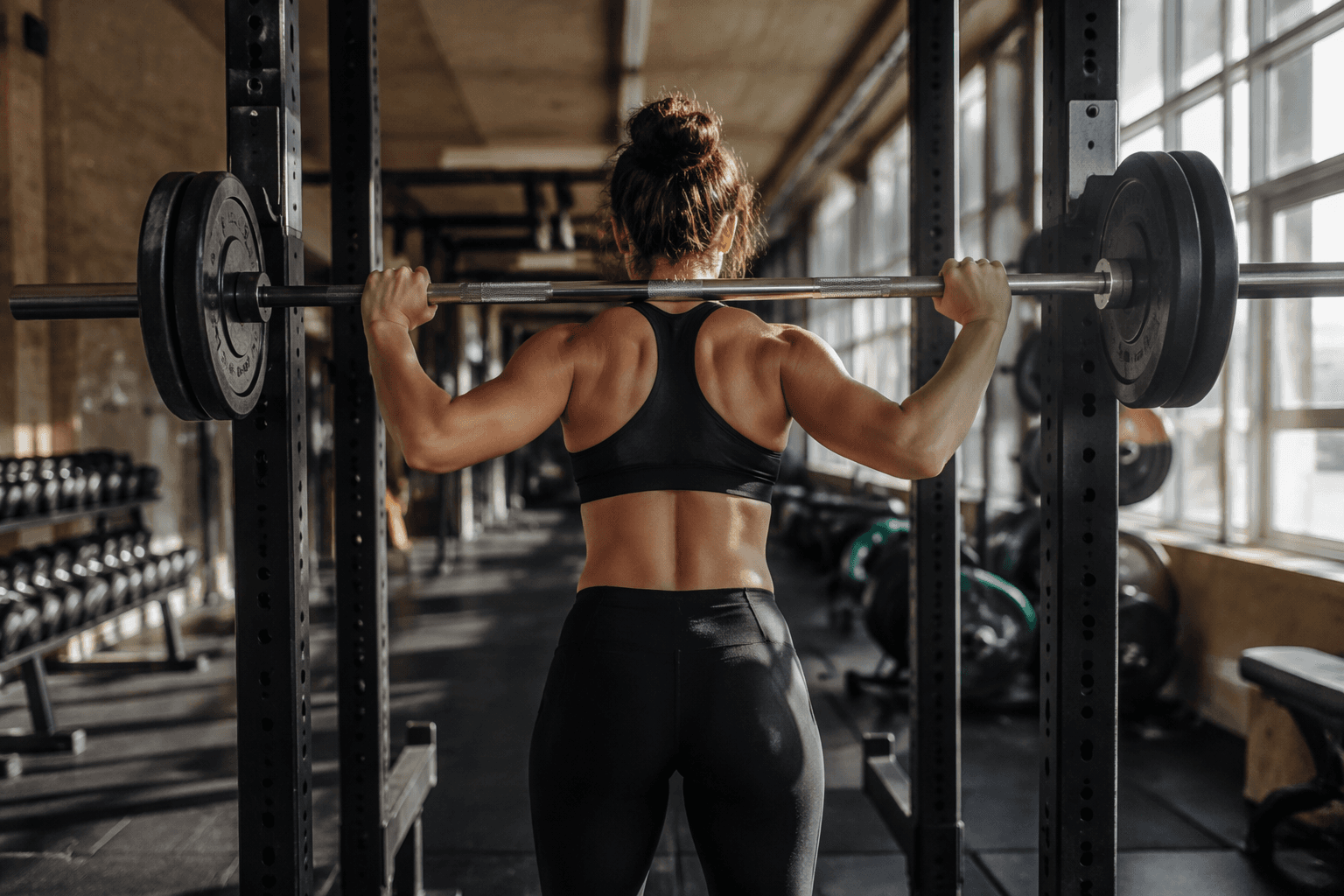
The International Osteoporosis Foundation defines osteoporosis as a disease that makes bones weak and fragile, raising fracture risk and often going unnoticed until a break happens. Strength work is being folded into women’s health messaging instead of being treated as a body-composition add-on.
The research trail backs that up. Anti-osteoporosis benefits increase when progressive strength workouts are added, especially lower-body work, plus balance challenges and higher-impact activity. EL PAÍS English covered the same theme in a piece on exercising through menopause. A review in the Journal of Education, Health and Sport examined resistance training and bone mineral density in postmenopausal women, and Scientific Reports published a study on different exercise types and bone mineral density.
What an effective women’s routine looks like now
A routine built around this evidence does not look like endless cardio or random circuit work. It looks progressive, deliberate and repeatable. The job is to create enough mechanical load to matter, while keeping the plan sustainable enough that it survives busy weeks, travel, stress and hormonal shifts.
- Lower-body strength work, because the hips, legs and spine are major targets for bone-loading and everyday power.
- Progressive overload, meaning the weight, reps, range of motion or difficulty changes over time instead of staying fixed.
- Balance work, especially single-leg patterns and controlled transitions, because balance and strength should rise together.
- Recovery that is planned, not guessed, including sleep, food and manageable training volume.
- Aerobic activity alongside lifting, not instead of it, so the week still satisfies the NHS activity target.
A practical setup usually includes:
This is also where safe progression matters. BoneFit USA, an evidence-informed workshop from the Bone Health & Osteoporosis Foundation, trains healthcare professionals and exercise specialists on prescribing exercise for osteoporosis. Women who are new to lifting, returning after pregnancy, or training through menopause do not need more random intensity. They need cleaner coaching, better load selection and a clear reason for every exercise.
Barcelona’s fitness market is rewarding coaches who can explain the why
Barcelona is a particularly good place to watch this shift because the market is crowded and varied. The city’s boutique fitness scene had "exploded", as Corner Editorial put it, and the city now has intimate studios that sell not just sweat, but physical strength and mental clarity. Mindbody’s Barcelona Pilates-studio directory reflects a large Pilates ecosystem, while Barcelona-Life and Ebylife have both put out 2026 gym guides for the city.
That competition is pushing trainers to get more specific. Barcelona-based businesses such as Ignite Fitness are marketing personal training in ways that speak directly to women 40+, menopause clients and people who want strength, posture and safe progression, in a city where reformer Pilates, barre, hybrid studios and personal-training spaces all vie for attention.
This article was produced by Prism’s automated news system from verified source data, official records, and press releases, then run through automated quality and moderation checks before publishing. The system is built and supervised by the people who set the standards it runs under. Read our full AI policy.
Did this article answer your question?