Barcelona gym guide spotlights fitness, health, and social connection
Barcelona’s gym market is splitting between boutique coaching and low-cost scale, with expats, language support, and location shaping where people train.
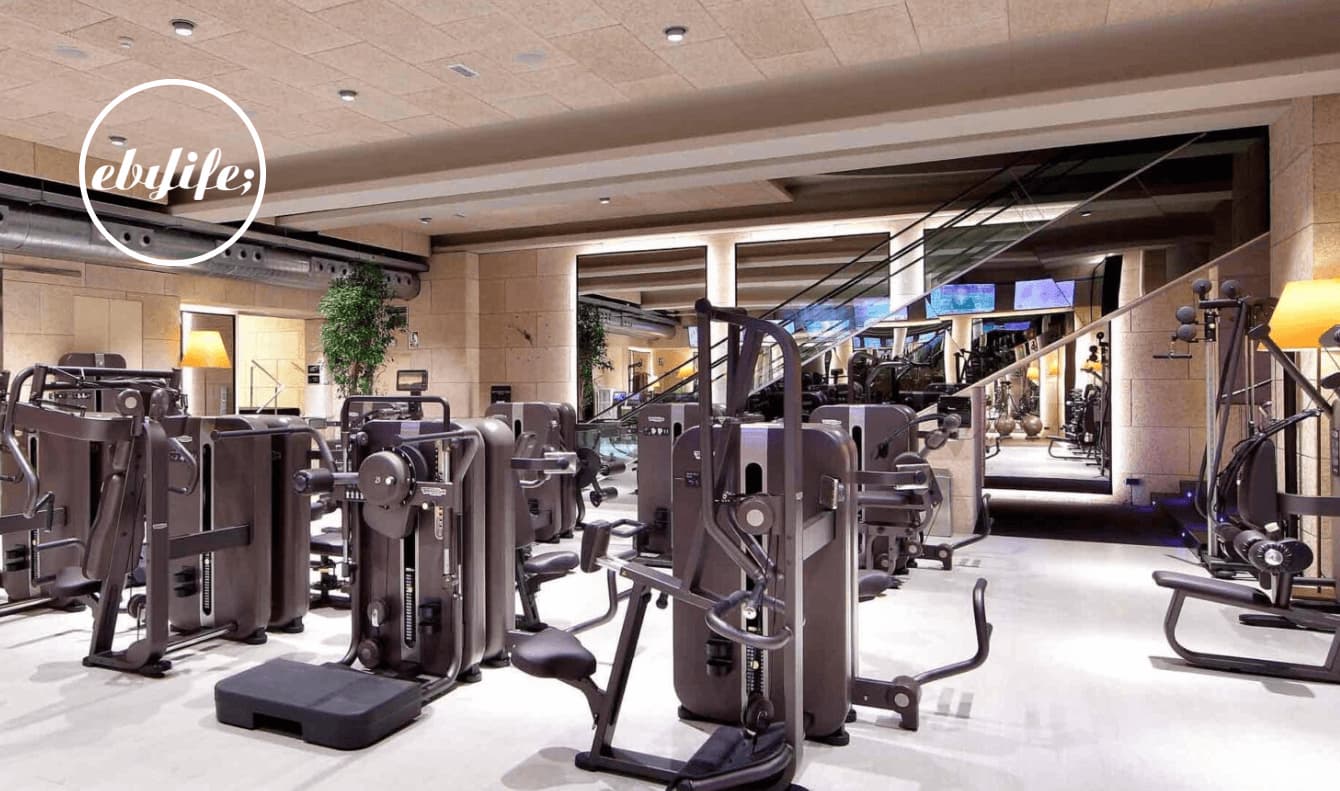
Barcelona’s gym scene is about more than workouts
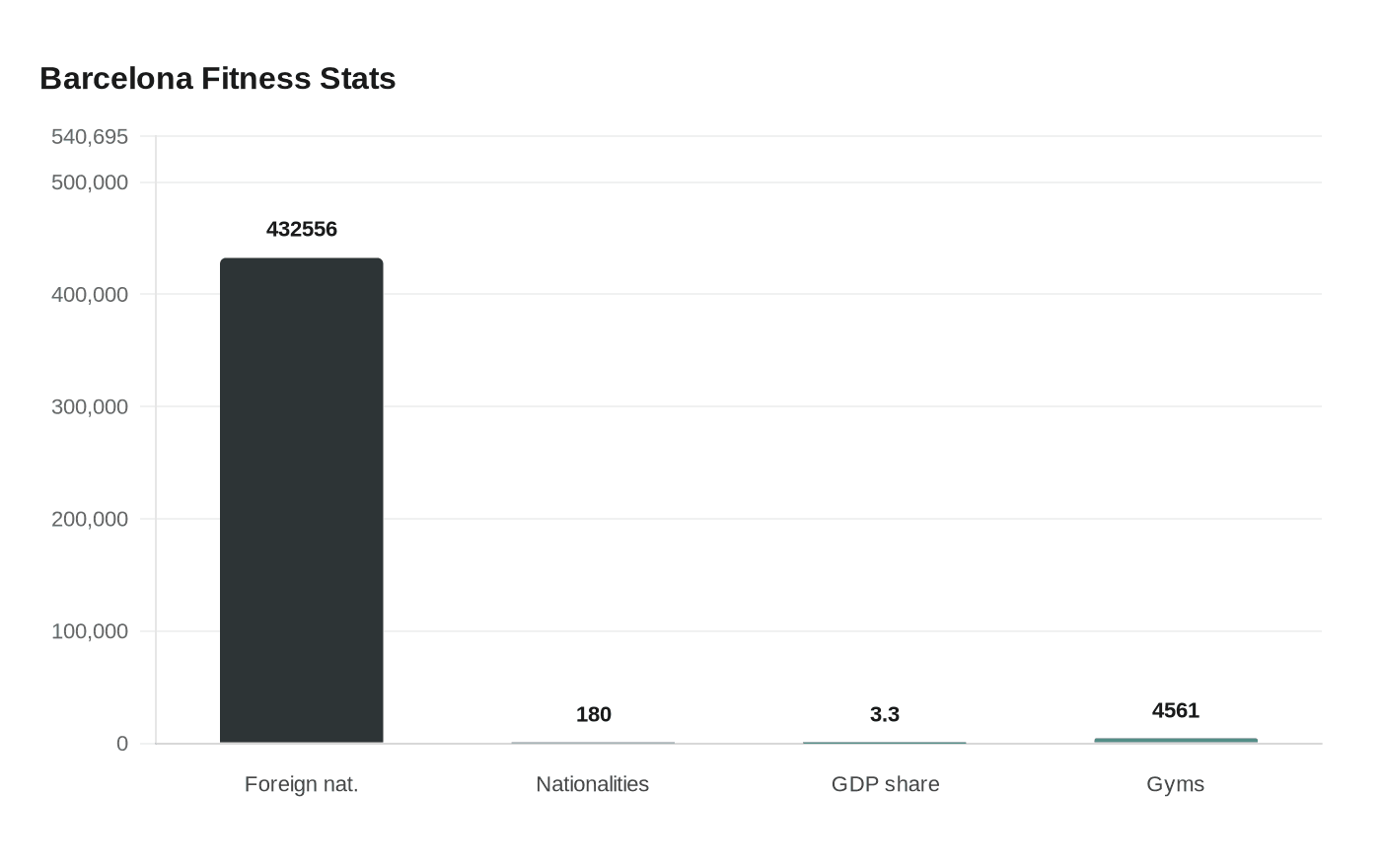
Barcelona’s fitness market is increasingly shaped by something bigger than mirrors, treadmills, and weight stacks: how people build a life in a city that is both local and deeply international. The city had 432,556 foreign nationals registered on 1 January 2024, representing 25.4% of the population, and residents from 180 different nationalities. That mix makes the gym a social space as much as a training space, especially for newcomers who want routine, health, and a place to meet people.
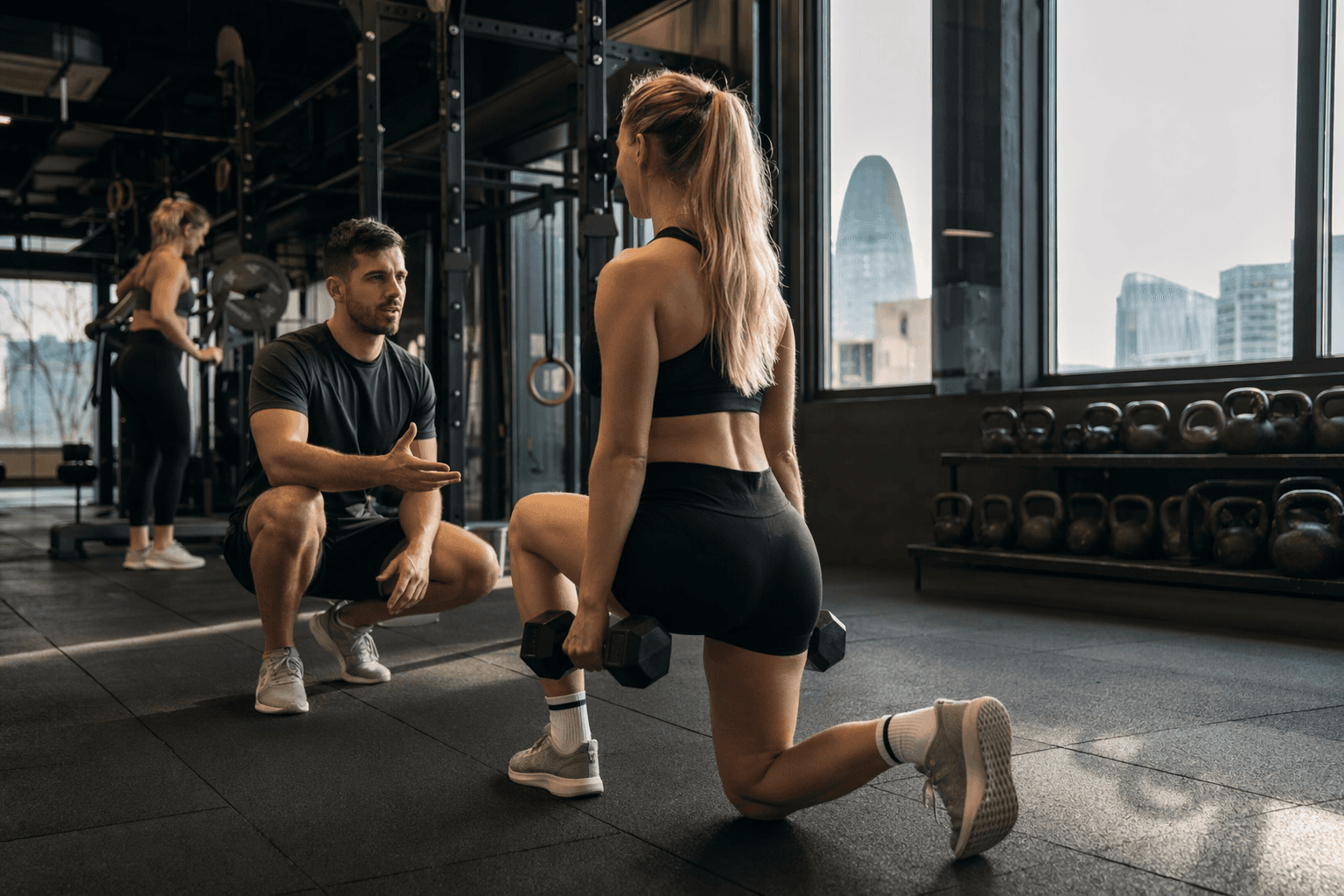
That is why joining a gym in Barcelona is no longer just a question of appearance. The guide’s framing is practical and modern: fitness is tied to mental pressure, cardiovascular health, and the social benefits of training with other people. Group training, yoga, and aerobics can become a direct route into local networks, which matters in a city where expats from wealthy countries made up more than 5% of the total population in 2024 and more than 15% of foreign residents.
A market large enough to support very different models
Spain’s sport and fitness sector is no niche corner of the economy. An OBS Business School report says it accounted for 3.3% of GDP in 2022, generated more than 400,000 jobs, and included 4,561 gyms serving 5.4 million users. The same report puts gym participation at 16.5% of the Spanish population, a sign that the business has become a mainstream part of urban life rather than a specialist habit.
That scale helps explain why Barcelona can support sharply different gym formats at the same time. EuropeActive’s 2024 market report says the European health and fitness market continued to grow in memberships and revenues in 2023, reinforcing the point that brick-and-mortar clubs still matter even as digital fitness stays in the mix. In Barcelona, that growth is visible in the way operators compete not just on equipment, but on language, access, coaching, and the feeling a space gives its members.
Ignite Fitness shows the case for personalisation and community
Ignite Fitness is the clearest example of the boutique end of the market. It is positioned as a personal training studio rather than a traditional gym, and it is designed for expats and internationals living and working in Barcelona. The studio offers one-to-one training, small-group personal training, group fitness classes, and nutritional services, all from a private studio near Urquinaona in Eixample.
Its appeal is built around specificity. Ignite’s team can coach in English, Spanish, Catalan, and French, which lowers the barrier for newcomers who want guidance without language friction. The mix of bespoke programming, coaching, and a smaller setting gives it a very different value proposition from a mass-market gym. Here, the customer is not buying access to a room full of machines, but a relationship with coaches, a sense of being known, and training that fits a particular lifestyle.
That matters in a city with constant arrivals. For people who are new to Barcelona, the social side of fitness can be just as important as the physical side, and group activity creates a built-in point of entry. Ignite understands that fitness can function as both a performance tool and a community anchor.
VivaGym Arc de Triomf represents the other side of the equation
VivaGym Arc de Triomf is a different answer to the same city. Located next to Parc de la Ciutadella on Carrer de Girona 9, it is built around accessibility, breadth, and price. The club includes cardio areas, classes, cycling, functional training, machines, weights, showers, and lockers, with third-party listings showing weekday opening hours from 06:00 to 23:00. That combination makes it easy to fold training into work, commuting, and city life.
The pricing is part of the appeal. Around 30 euros per month with classes included puts it firmly in the low-cost, high-convenience category. For many Barcelona residents, that matters more than a highly personalised coaching environment. The club’s model is about scale and routine: enough equipment, enough variety, long hours, and central placement so training is easy to maintain.
VivaGym also reflects the strength of the chain model in Spain. Its first centre opened in May 2011 in L’Hospitalet de Llobregat, and a 2026 investor announcement says the company was founded in 2011 and now has more than 450 clubs across Iberia after acquiring Synergym. That expansion underlines how the market rewards operators that can deliver consistency, density, and affordability across many neighbourhoods and cities.
What Barcelona shoppers are really comparing
The contrast between Ignite Fitness and VivaGym is the most useful way to read the city’s gym market. One model sells experience, accountability, multilingual coaching, and a tighter community. The other sells access, hours, breadth of equipment, and a price point that makes training easier to maintain week after week.
- Choose boutique coaching if you want structure, personal attention, and language support.
- Choose a low-cost chain if you want flexible hours, central access, and enough variety to build your own routine.
- Choose group classes if the gym is also part of your social life, not just your training schedule.
That split is especially visible in Barcelona because the city is so international. New arrivals may want the comfort of a studio that speaks their language and understands expat life. Long-term residents may prefer a nearby, affordable gym that fits between work, errands, and evening plans. The city’s market is segmented because its users are segmented, and operators win by matching those differences rather than trying to flatten them.
A city where fitness is part of daily urban life
Barcelona’s gym landscape now looks less like a contest for the single “best” club and more like a map of how people live. Central locations such as Urquinaona, Eixample, Arc de Triomf, and Parc de la Ciutadella show how important convenience remains, while the rise of multilingual, coaching-led studios shows that community can be a premium feature rather than a bonus.
The larger lesson is that Barcelona’s fitness economy is mature enough to reward multiple definitions of value. For some, value is a coach who knows their goals and can work across languages. For others, it is a card, a door, and a gym that is open before sunrise and still available after dinner. In Barcelona, both models have a place, and that is exactly what makes the market so revealing.
This article was produced by Prism’s automated news system from verified source data, official records, and press releases, then run through automated quality and moderation checks before publishing. The system is built and supervised by the people who set the standards it runs under. Read our full AI policy.
Did this article answer your question?