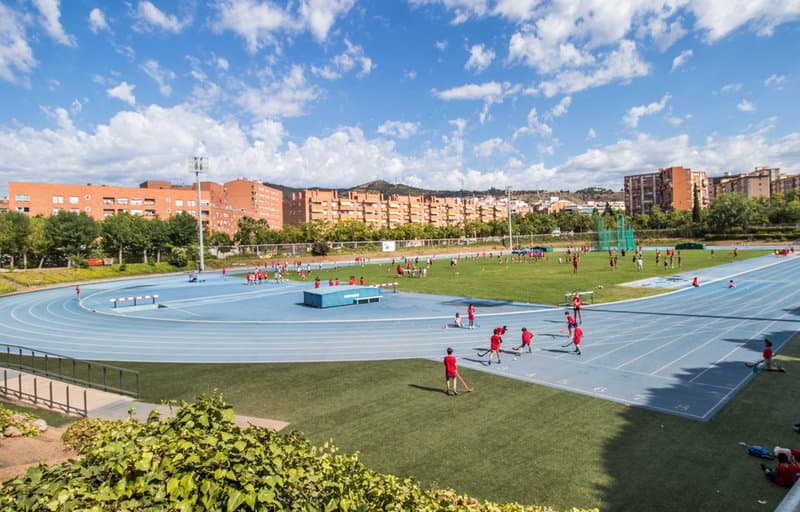
Barcelona revamps Plaça de Pablo Neruda with pump track, more greenery
Barcelona has broken ground on a €2 million remake of Plaça de Pablo Neruda, adding a pump track, more trees and a safer, more open layout for daily exercise.
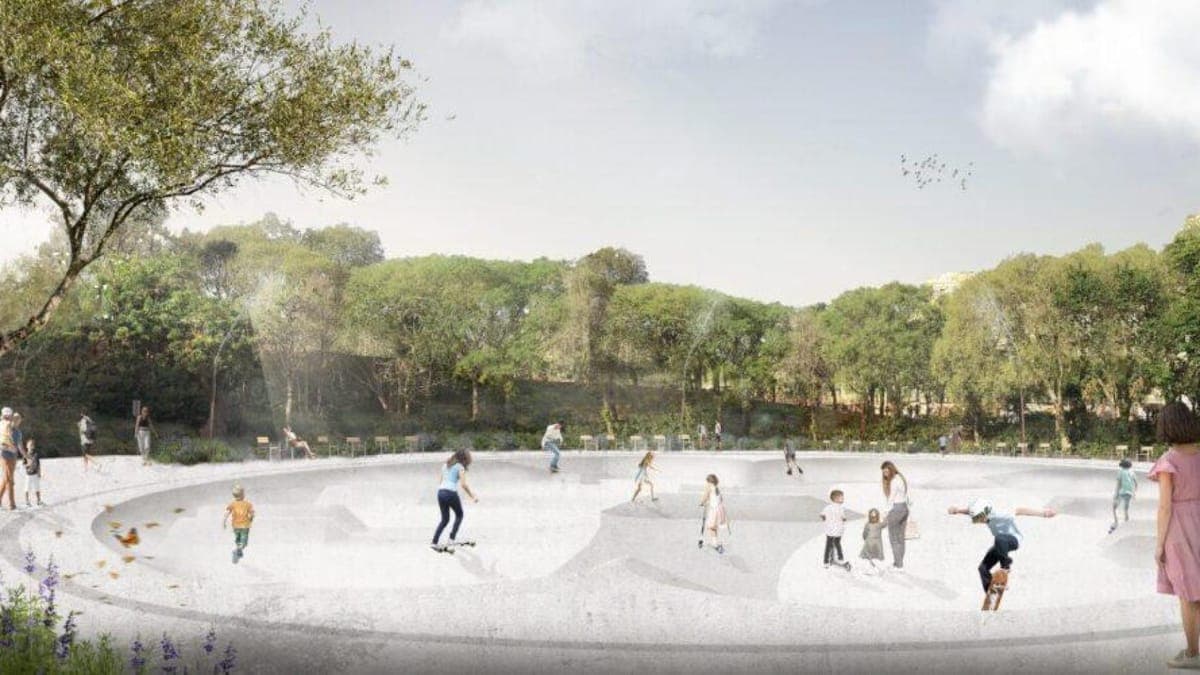
Barcelona has begun turning Plaça de Pablo Neruda, at the meeting point of Carrer d’Aragó, Carrer de Marina, Carrer de Lepant and Avinguda Diagonal, into a far more active neighborhood space. The €2 million overhaul is meant to replace a tired, enclosed square with a plaza that works better for schoolchildren, families, skaters and anyone looking for a place to move without paying for a gym or joining a club.
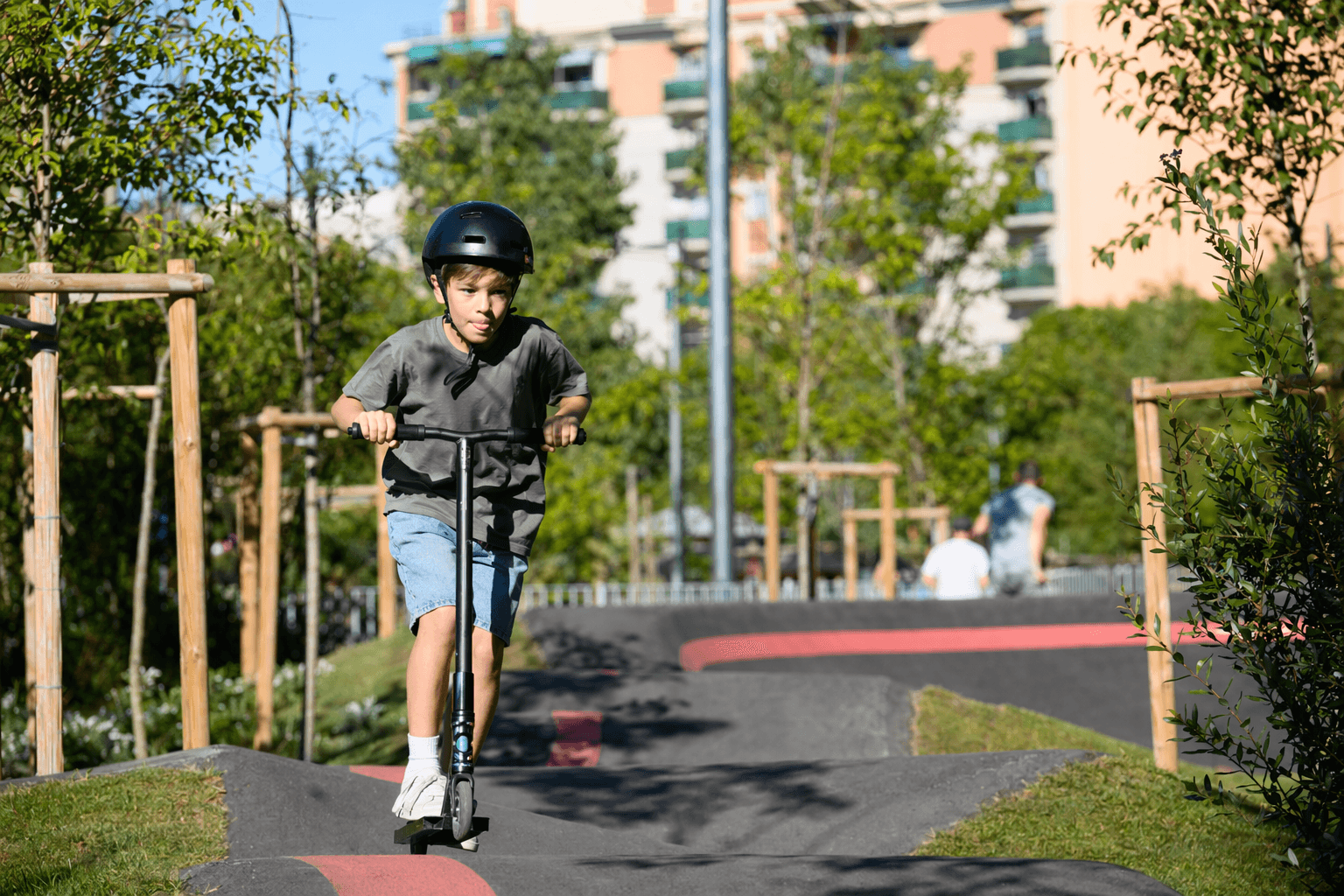
The redesign puts a dedicated pump track at the center of that effort. Alongside it, the city is adding play and sport features, with skating, hockey and children’s games all folded into one recreational area. Officials have also said the project will widen access, improve comfort and make the space safer, while adding more greenery, better lighting, new street furniture and a stronger tree canopy. Work began in late April 2026, and completion is expected in the first quarter of 2027.
That timetable gives the project a longer public-life horizon than a simple cosmetic refresh. City officials have described the current skating area as sunken and too enclosed, a layout that has limited how residents use it and made it less attractive for day-to-day activity. The new plan also aims to reduce erosion on the slopes around the square and stabilize the planting beds, practical fixes that suggest the makeover is being treated as an infrastructure job as much as a design exercise.
The project sits inside the Sagrada Família High-Influx Space action plan for 2024-2027, a broader strategy for a heavily visited part of the Eixample. That plan includes 37 measures and a total budget of €15,442,200, and the city says it was developed with local residents and organizations. The redesign of Plaça de Pablo Neruda followed a participatory process that brought in neighborhood residents of Sagrada Família and Fort Pienc, school leadership teams, parents’ associations and skater groups.
That mix of users matters. A pump track and more open circulation can turn a plaza into a low-barrier training ground for children learning balance, skaters practicing lines and families looking for an everyday place to stop, sit and move. The question is whether the city’s investment will do more than polish a busy corner. By pairing sports features with shade, greenery and safer access, Barcelona is betting that a better plaza can also be a small but meaningful public-health asset, one that builds active habits into the fabric of the neighborhood.
This article was produced by Prism’s automated news system from verified source data, official records, and press releases, then run through automated quality and moderation checks before publishing. The system is built and supervised by the people who set the standards it runs under. Read our full AI policy.
Did this article answer your question?