Barcelona Run Club Blends Fitness, Networking, and Community Appeal
Barcelona’s run clubs are turning weekday miles into warm introductions, with 5Ks that double as networking for founders, nomads, and busy professionals.
The 5K is becoming Barcelona’s new business card
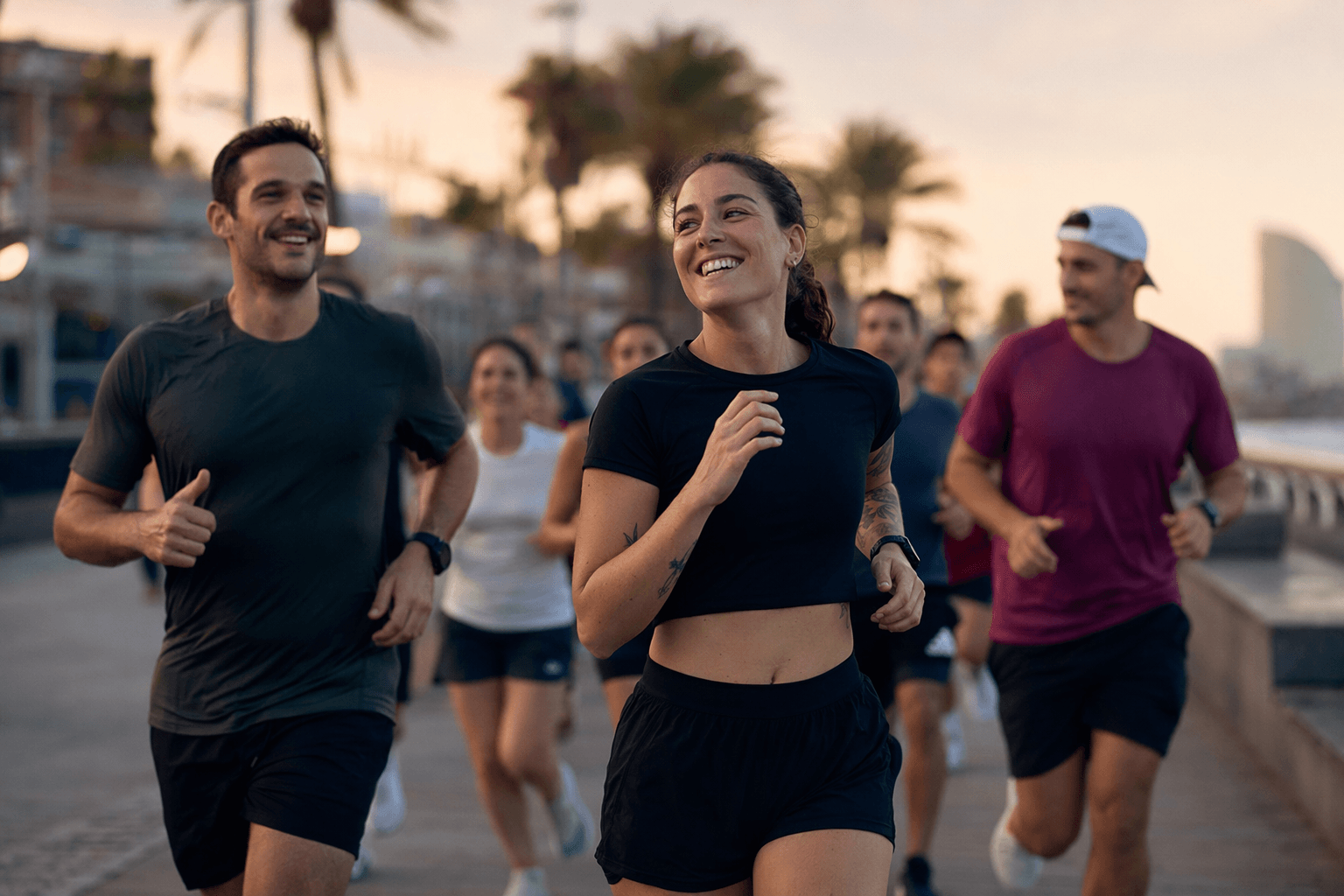
Barcelona’s weekday run clubs are no longer just about logging miles. In the city’s expanding nomad and startup scene, a 5K now doubles as a low-pressure way to meet the people behind the laptops, the founder decks, and the coworking calendars.
Nomad Run #49 captures that shift neatly. Listed for Monday, 20 April 2026, from 7:00 pm to 8:15 pm at La Carioca, 1 Plaça de Pau Vila, the event was framed as a 5K with BCN entrepreneurs and professionals. The formula is almost disarmingly simple: run together, linger in a social setting, and let community form around shared pace instead of shared job titles.
Why the format is resonating
The appeal starts with time. For professionals who are busy, mobile, and often balancing work across time zones, a structured run offers something more efficient than a long social dinner or a formal networking event. It gives the evening a clear shape, and it lowers the bar for participation because no one has to identify as a serious runner to belong there.
That matters in Barcelona, where many residents are international and professionally connected. The city’s running clubs are functioning less like athletic tribes and more like social infrastructure, especially for people who want exercise, accountability, and community in the same hour. A recurring weekday run becomes a reliable reset button, and for newcomers it can be one of the fastest ways to feel oriented in the city.
The setting reinforces that appeal. Plaça de Pau Vila and the waterfront around Barceloneta place the event in one of Barcelona’s most walkable, social zones. That gives the run a lifestyle layer that a treadmill session or a solo loop around the block cannot match. The route is only part of the product; the place is doing just as much of the work.
A recurring community, not a one-off meetup
Nomad Run #49 did not appear in isolation. Barcelona Digital Nomads listed Nomad Run #47 for Monday, 6 April 2026, and Nomad Run #50 for Monday, 27 April 2026, which points to a continuing series rather than a one-time experiment. That cadence matters because repetition is what turns a novelty into a habit, and habits are what make communities durable.
Barcelona Digital Nomads already operates like a broader social and professional engine. Its Meetup page says the community runs weekly meetups, networking events, and coworking days, and it also helps digital nomads with consulting on the digital nomad visa in Spain and Spanish tax. That mix is revealing: the group is not just creating places to mingle, it is creating a support system for the practical realities of living and working in Barcelona.
Its Luma page says the community has more than 7,100 members and has held a weekly afterwork networking meetup every Wednesday since 2020. That scale helps explain why a run club can work here. When a city already has a large, organized population of remote workers and nomads, an evening 5K is not a niche idea. It becomes another social doorway into a network that is already active.
What running-plus-networking really sells
The deeper business story is not that people like running and also like networking. It is that the format packages exercise, social life, and career development into one convenient ritual. That is exactly the kind of bundle boutique fitness brands, hybrid wellness operators, and coworking-adjacent partners want to capture.
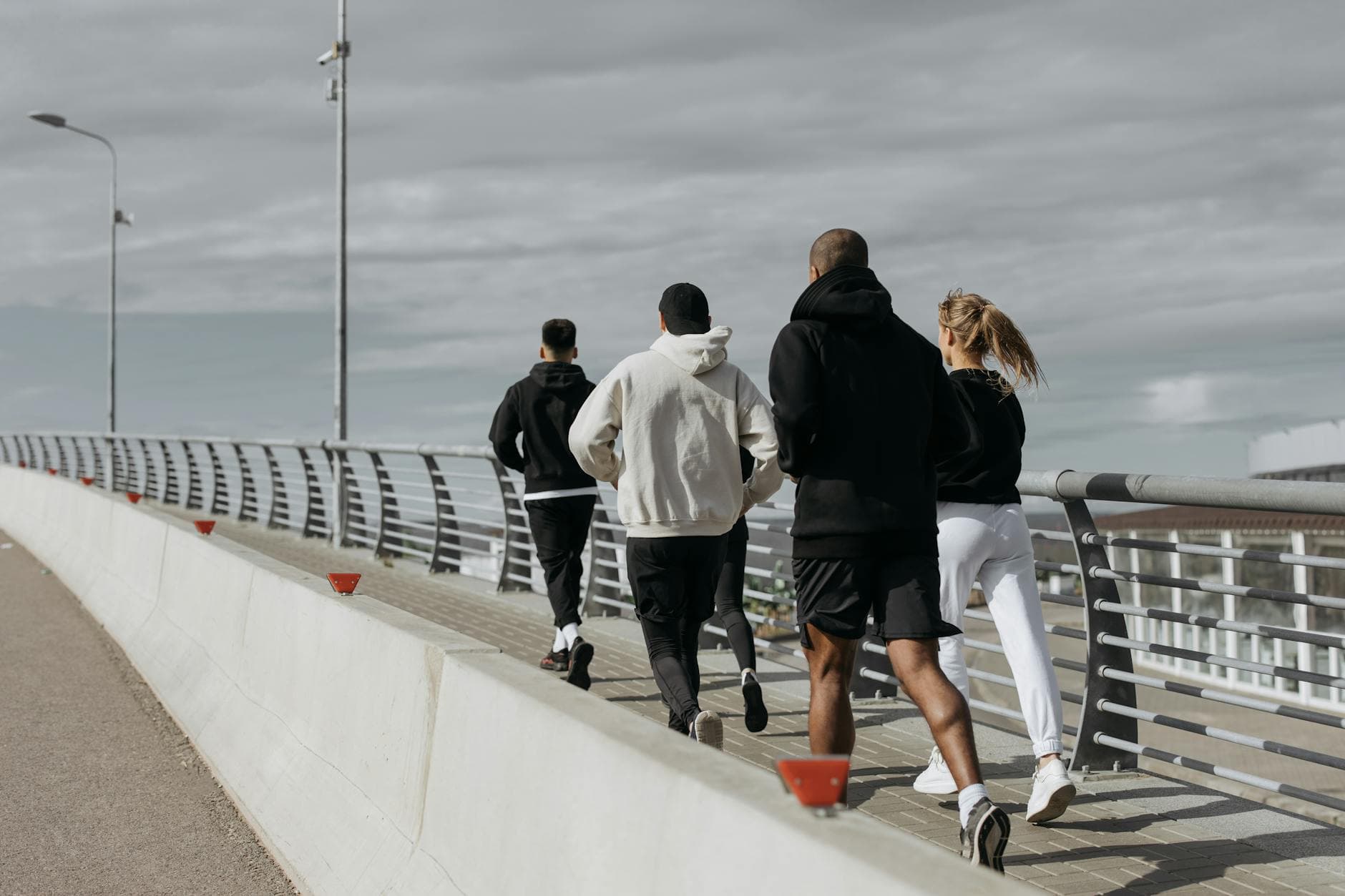
For operators, a run club can act as an acquisition channel for other services. A runner who turns up for a weekday 5K may also be the person who signs up for a training plan, a strength session, recovery work, or a partner offer tied to a workspace or community membership. The format reaches a demographic that values efficiency, wellness, and belonging, and it does so without demanding the full commitment of a racing program or the formality of a networking breakfast.
Some of the attraction is psychological as much as logistical. Shared movement can make conversation easier than a static mixer, because the run itself takes the pressure off direct self-presentation. People are not walking into a room and selling themselves; they are arriving alongside others, side by side, with the event giving them something immediate to do. That is a subtle but powerful shift in how professional communities are built.
Barcelona already had the ingredients
The success of these events fits into a bigger city pattern. Barcelona is widely described in digital-nomad guides and communities as a hub for remote workers and nomads, and that status has helped create demand for social formats that also serve professional needs. In a city full of people who have moved for work, run clubs can become a fast way to create familiarity without overengineering the introduction.
Barcelona also has other running-plus-networking communities that show how established the concept has become. Founders Running Club describes itself as a running-plus-networking community for founders, investors, IT professionals, startup enthusiasts, and creatives. A Barcelona page for the club says it has 20 locations around the world, which places the local scene inside a much larger international pattern.
Tech Barcelona’s page widens that circle even further, describing the events as open to founders, future and ex-founders, friends and families, investors, IT professionals, startup enthusiasts, and creatives. That breadth is telling. These are not elite, closed-door sessions for a narrow startup inner circle. They are open, cross-disciplinary gatherings built to feel welcoming, useful, and lightly social.
Why the venue matters as much as the route
La Carioca helps explain why the format lands so well. The restaurant in Barceloneta presents itself as more than a restaurant, positioning itself as a lifestyle and social venue built around authentic Brazilian food. That framing fits the event perfectly, because the location is doing more than serving as a start and finish point.
A waterfront Brazilian restaurant in Plaça de Pau Vila gives the run a sense of occasion without making it formal. It is the kind of place where people can stay after the miles are done, which is crucial for turning a one-hour activity into an actual community experience. The venue helps the run feel less like a workout that happens to include people and more like a social ritual that happens to include running.
The bigger shift in Barcelona’s fitness culture
Nomad Run #49 reads like a small event, but it points to a larger change in how Barcelona packages movement. The city is not just selling fitness anymore; it is selling fitness as a connector, a professional soft-landing pad, and a weekly reason to keep showing up. For a population shaped by mobility, remote work, and international careers, that combination makes a lot of sense.
What looks on paper like a simple 5K is actually a compact example of Barcelona’s new civic rhythm: exercise, then conversation; pace, then belonging; networking, but in running shoes.
This article was produced by Prism’s automated news system from verified source data, official records, and press releases, then run through automated quality and moderation checks before publishing. The system is built and supervised by the people who set the standards it runs under. Read our full AI policy.
Did this article answer your question?