Barcelona uses tiered gym pricing to widen access to fitness
Barcelona treats gym access like public policy. Its 200-tier system includes a 40% unemployment discount and about 43% off for people with disabilities.

Barcelona has turned gym pricing into policy. The city’s municipal sports centres use 200 different tariffs, with the steepest discounts aimed at residents who face the biggest barriers to joining in the first place. That makes the system look less like a flat-fee membership club and more like a public utility for exercise.
Fitness as a public-service decision
The logic comes straight from the Barcelona Sports Institute, which frames sport around more than workouts alone. Its broader policy ties access to physical activity with health, education, inclusion and social cohesion, and it treats municipal facilities as a basic public service rather than a luxury add-on. That matters because the city is not simply trying to fill machines and lanes; it is trying to shape who can realistically keep training week after week.
The most important detail is the scale of the pricing ladder. Across the municipal network, the city says there are 200 different tariffs. That is not a cosmetic discount scheme bolted onto one standard membership. It is a segmented system built to adjust to different circumstances, which is exactly why Barcelona’s model stands out in a city where private gyms usually sell one main price and maybe a narrow promo.
Where the biggest discounts land
From 2024, Barcelona introduced a 40% discount on the monthly fee for unemployed residents aged 25 to 60 who are registered in the city. That is a material cut, not a token gesture, because it lowers the monthly cost at the point where a membership often gets dropped first: when income disappears and recurring bills are the first thing to go.
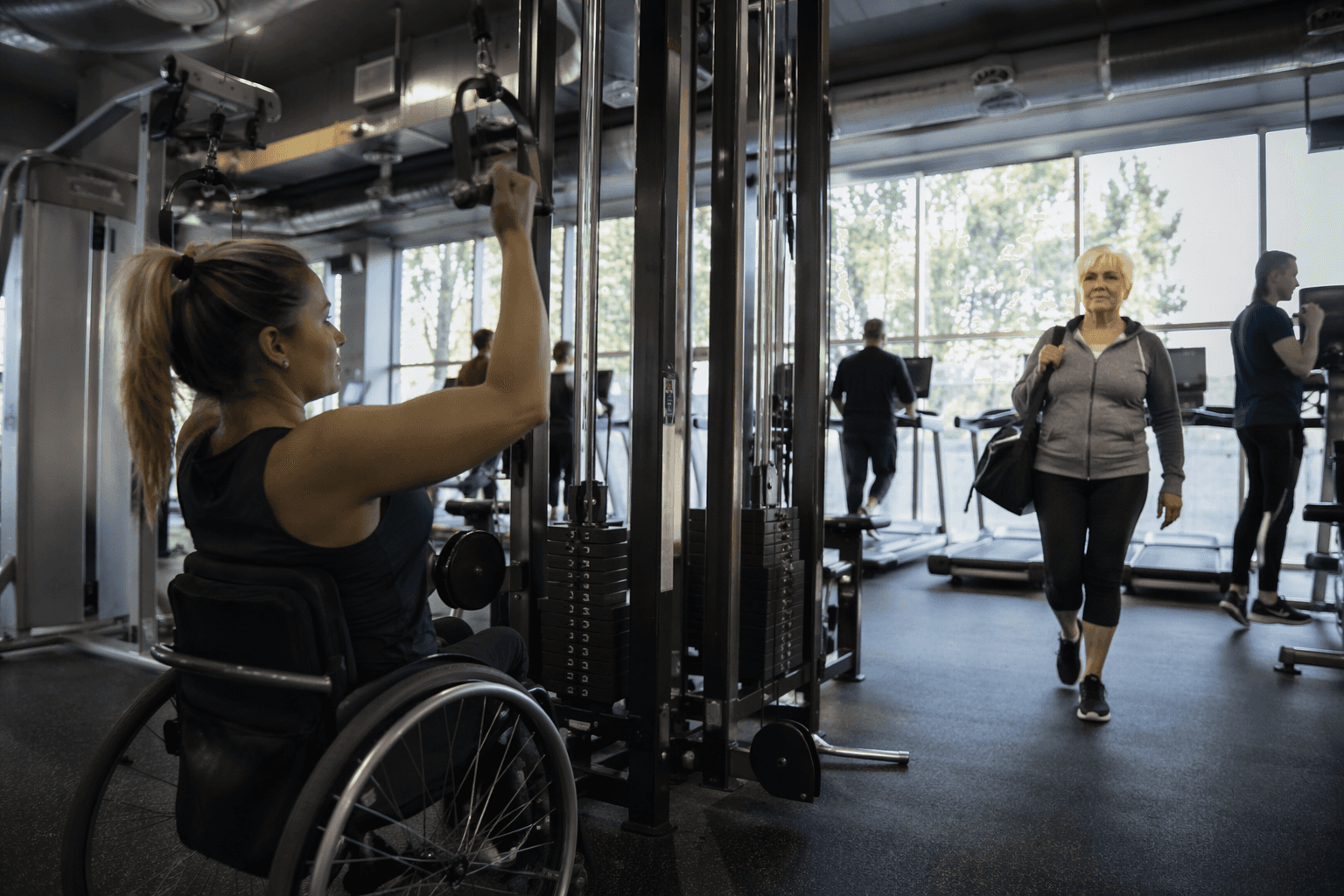
People with disabilities are also built into the pricing structure. The city’s municipal sports centres offer a rate that is about 43% cheaper than the standard membership fee. In practical terms, that discount does more than soften the bill. It makes the difference between a public fitness option that exists on paper and one that can stay within reach month after month.
The trade-off is visible too. Barcelona is not flattening prices for everyone and calling it equity. It is using the tariff system to direct the deepest cuts toward specific groups, while leaving the rest of the pricing grid intact. That approach favors targeted access over simplicity, which is a sensible public-policy choice if the goal is to keep the doors open to more residents without turning every membership into the same subsidy.
The price schedule behind the policy
The structure did not appear by accident. Barcelona’s public pricing schedule for 2024 and later was approved by the Comissió de Govern de l’Ajuntament de Barcelona on 30 November 2023. That gives the city’s current pricing model a clear policy anchor and shows that the discount system was set deliberately, not improvised as a short-term campaign.
That approval matters because municipal sports pricing in Barcelona is part of a wider civic model, not just a one-off concession. The city’s sports policy keeps returning to the same themes: proximity, access, health, education and inclusion. In other words, the city is using price as one of the tools that decides whether a resident can actually turn intention into routine.
What the municipal network offers on the ground
Barcelona says its municipal sports-centre network includes 41 CEMs. The city has also launched an interactive map so residents can find the nearest centre, which is a practical detail that matters almost as much as the tariffs themselves. A low price is only useful if the nearest facility is close enough to make regular attendance realistic.
The centres themselves are not stripped-down budget rooms. Most municipal sports centres include a swimming pool, fitness rooms and supervised activity rooms. That mix widens the appeal beyond straightforward weight training or cardio. It also explains why the municipal model can compete with private gyms on usefulness, not just price: you are often getting a broader public facility, not just a room full of equipment.
Barcelona has also used open doors at its municipal sports centres to make the network less intimidating. On 14 and 15 May, the city’s 41 CEMs held an open day for all Barcelona residents. That kind of access event helps people see the facilities before committing, which is especially important when the real question is whether the monthly fee and the location together make sense for a long-term routine.
How the public model compares with private gym pricing
Private gyms usually ask one simple question: can you pay the membership fee this month? Barcelona asks a different one: what does it take to make regular exercise realistic for different residents? The answer is a tiered tariff system, targeted subsidies for unemployed residents aged 25 to 60, and a disability rate that sits about 43% below the standard price.
That difference is why the municipal model matters for readers deciding where fitness is actually accessible. If you are comparing options in Barcelona, the public system is strongest when a discount materially changes the math, when you want a pool or supervised activity space, or when a city-registered status unlocks a rate you could not get in a private club. The city has built the pricing model around the idea that access is part of the service itself, not something to be added later as an afterthought.
This article was produced by Prism’s automated news system from verified source data, official records, and press releases, then run through automated quality and moderation checks before publishing. The system is built and supervised by the people who set the standards it runs under. Read our full AI policy.
Did this article answer your question?