Barcelona veterans tennis gains momentum with RFET memorial and Mahón stop
Club Tennis Barcino drew about 150 veterans for the Roberto Vizcaíno Memorial, with eight local singles wins underscoring Barcelona’s senior tennis depth.
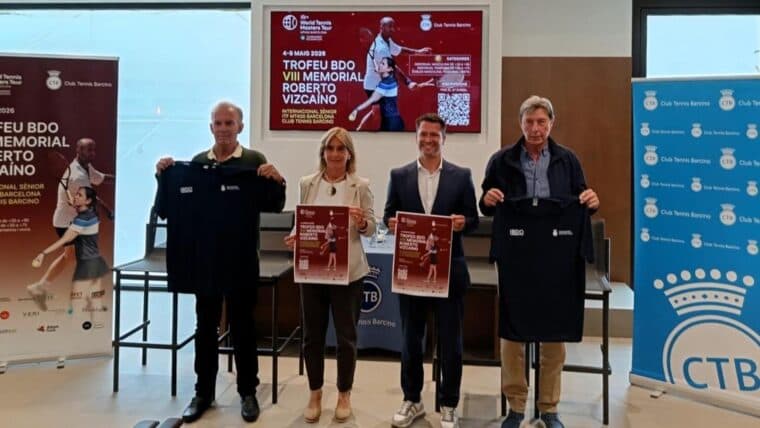
Barcelona’s veteran tennis scene showed its reach at Club Tennis Barcino, where the eighth Trofeu BDO · Memorial Roberto Vizcaíno ran from May 4 to May 9 at Plaça Narcisa Freixas 2-3 and brought together about 150 players. The draw stretched from men’s +30 to +90 and women’s +30 to +75, with men’s, women’s and mixed doubles giving the week the shape of a full ITF Masters event rather than a ceremonial add-on.
The results reflected that level of competition. Fernando Llorens won the men’s +30, Albert José María Almendros the +35, Pau Campo the +40, Oriol Molina the +50, Josep Torras the +55, Josep Mª Font the +60, Miguel Mir the +65 and Alberto Martorell the +75. Club Tennis Barcino said registrations closed on April 28 at 10 a.m., a reminder that the event has outgrown the feel of a casual club meet and now operates with the timing and structure of a serious ranking tournament.
The memorial’s weight in Barcelona tennis comes from its origin. It began in 2017 as a tribute to Roberto Vizcaíno after his death in Barcelona in December 2016 at age 59. RFET described Vizcaíno as one of the major references of Spanish tennis in the 1970s and 1980s, and the first editions drew notable former players and other tennis figures, including Davis Cup and Fed Cup names. Club Tennis Barcino, founded in 1928 in Sant Gervasi, has turned that memory into an annual fixture that combines competition with club identity.
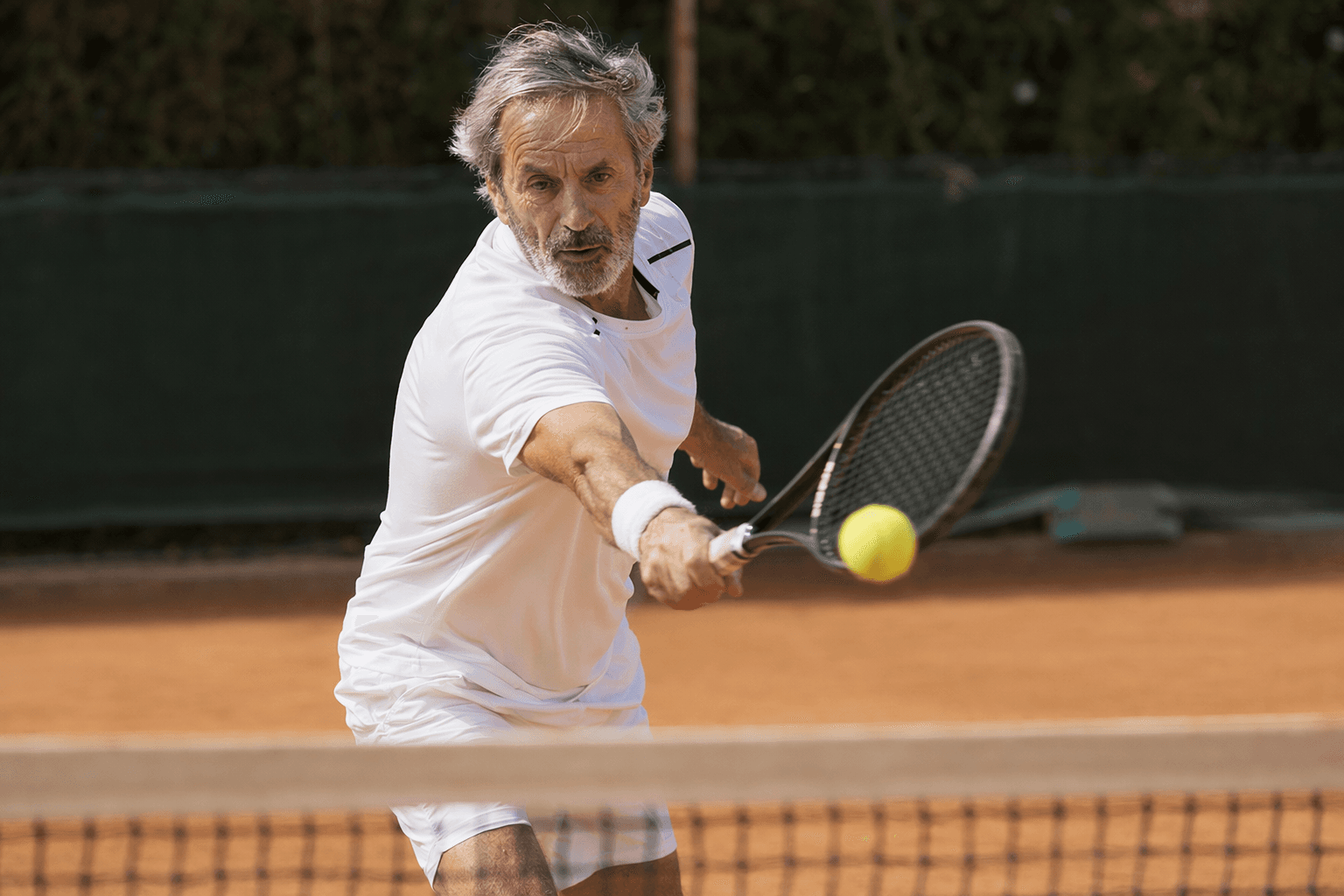
That matters because veterans tennis is not a sideshow in the ITF structure. The World Tennis Masters Tour is open to players aged 30 and over, spans more than 580 tournaments worldwide and includes about 30,000 players aged 30 to 98, with ranking points available in each age category. Barcelona’s MT400 sits squarely inside that ecosystem, and its importance is matched by the wider Masters calendar that also includes a Mahón stop, extending the competitive pathway beyond youth and prime-performance years. In a city that already sells itself as a tennis destination, the memorial shows that lifelong sport is part of the sporting fabric, not an afterthought, and that older players still want rankings, structure, and a place to compete hard in public.
This article was produced by Prism’s automated news system from verified source data, official records, and press releases, then run through automated quality and moderation checks before publishing. The system is built and supervised by the people who set the standards it runs under. Read our full AI policy.
Did this article answer your question?