Barcelona walking trips rose 26.7%, cycling trips jumped 72.5%
Barcelona's weekday walking trips rose 26.7% and cycling trips 72.5% as superblock policy turned streets into everyday fitness infrastructure.
Barcelona's biggest gym is the commute, and K. Pérez put the numbers on it in the 2017 Journal of Transport and Health paper, The health and economic benefits of active transport policies in Barcelona. From 2009 to 2013, walking trips on working days rose 26.7% and cycling trips jumped 72.5%, while pedestrian and cyclist injury rates fell 26.7%.
That is the kind of gain fitness people should not ignore, because it is built into the weekday routine rather than tacked on at the end of the day. The paper's health framework also counted 86 deaths linked to air pollution and 8.5 deaths linked to traffic noise, which pushes the story beyond mobility into public health. Barcelona was not just getting more people on foot and on bikes. It was changing how often they moved, how safely they moved, and what the city was taking out of the air and off the streets.
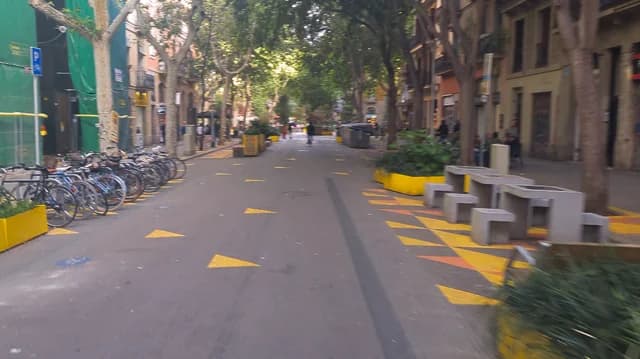
The policy backdrop matters. Barcelona City Council introduced its first Superilla, or Superblock, in 2016, a street redesign that the World Health Organization describes as putting people and communities at the heart of city design. OECD case-study material says the model reshapes streets and the wider grid to make cities more people-centric and less reliant on motor vehicles. The point is practical: fewer through-roads for cars, more room for walking and cycling, and a built environment that nudges daily movement instead of treating exercise as a separate appointment.
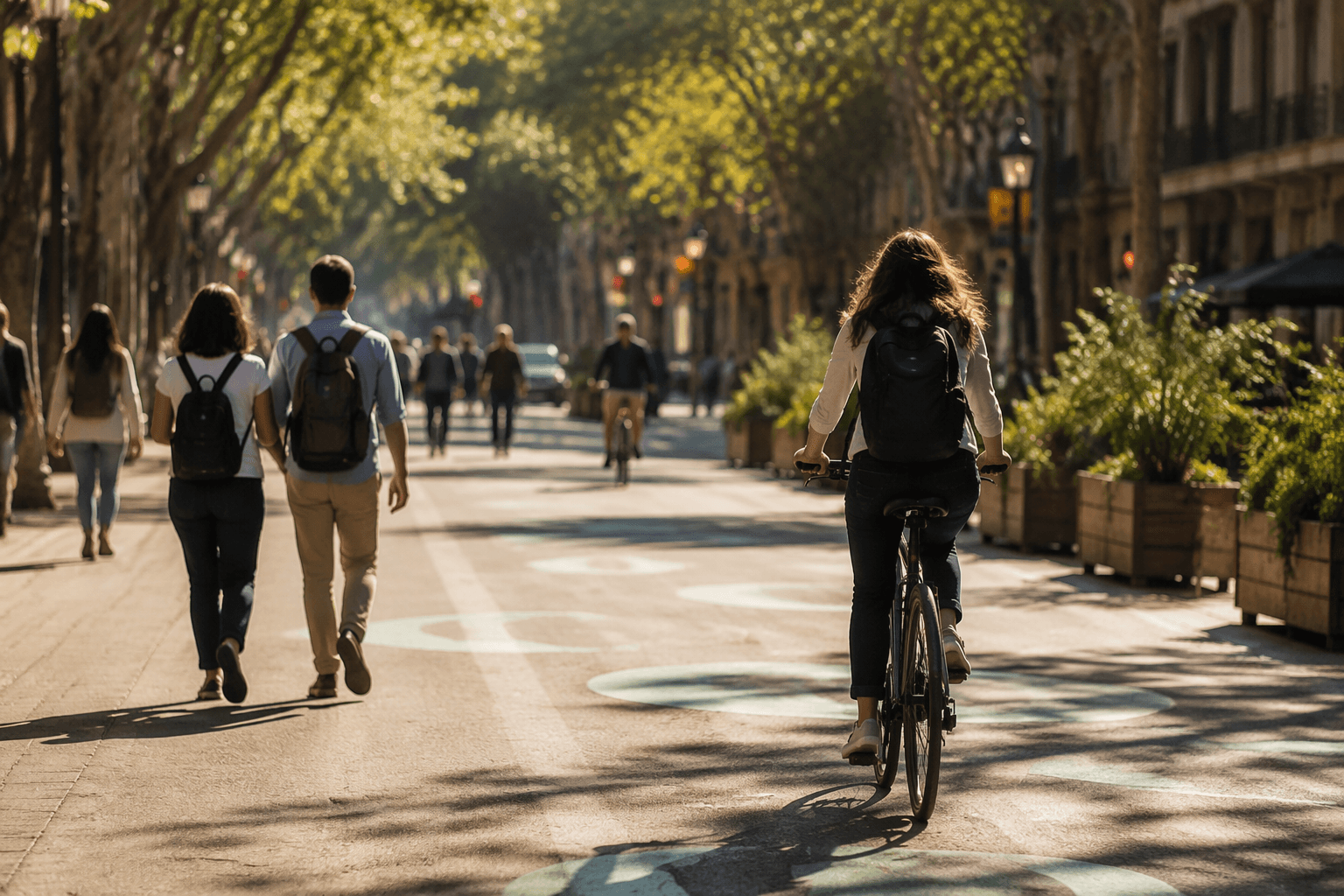
That is why Barcelona's commute functions like a training plan for the city. The superblock model was built to cut air and noise pollution and boost physical activity, and later research kept treating it as a health intervention rather than an architectural novelty. A 2025 BMC Public Health paper examined the environmental and health effects of Barcelona superblocks, extending the city’s long run of urban-design experiments. The cleanest read on Barcelona now is simple: when the street network makes movement easier, residents do not just travel differently, they accumulate fitness in the background of ordinary life.
This article was produced by Prism’s automated news system from verified source data, official records, and press releases, then run through automated quality and moderation checks before publishing. The system is built and supervised by the people who set the standards it runs under. Read our full AI policy.
Did this article answer your question?