Barcelona wellness guide spotlights spas, yoga, and slow travel itineraries
Barcelona is selling a different kind of fitness story, one built on recovery, slower movement, and spa-led itineraries rather than all-out sweat.
Barcelona’s softer fitness pitch
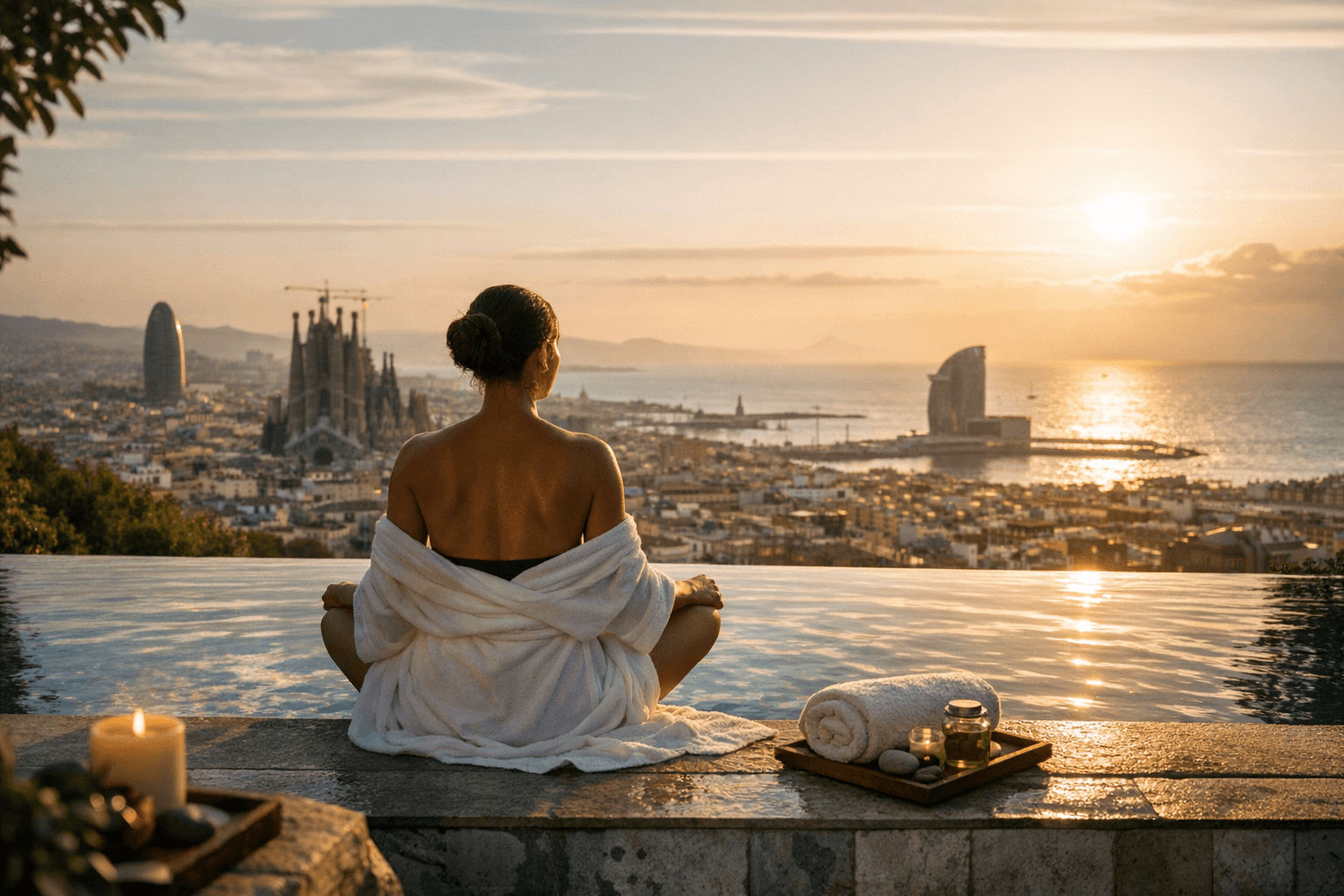
Barcelona is being recast through a gentler lens, and that shift says as much about the city’s fitness culture as any new gym opening. Barcelona.com’s wellness guide treats spas, baths, yoga, massages, slow walks, meditation, and digital detox ideas as the main event, then packages them into a ready-to-use four-day itinerary with alternatives for extreme heat or rain. That is a notable change in tone for a city more often associated with performance, pace, and training volume.
The guide’s real significance is that it places relaxation on equal footing with exercise. Instead of separating wellness from fitness, it folds them into one movement ecosystem, where a visitor can start with a massage, spend an afternoon in a yoga studio or outdoors, and build a trip around restoration rather than output. In a city like Barcelona, that is more than a lifestyle edit. It is a market signal.
The city’s geography already sells recovery
Barcelona’s official tourism story gives this softer approach a natural foundation. Turisme de Barcelona describes the city as a place by the sea with almost 5 kilometres of beaches, fine golden sand, shallow waters, and access that works for people with reduced mobility. The beaches are close to the city by public transport and bike, and the official framing emphasizes that they can be enjoyed throughout the year because of Barcelona’s climate.
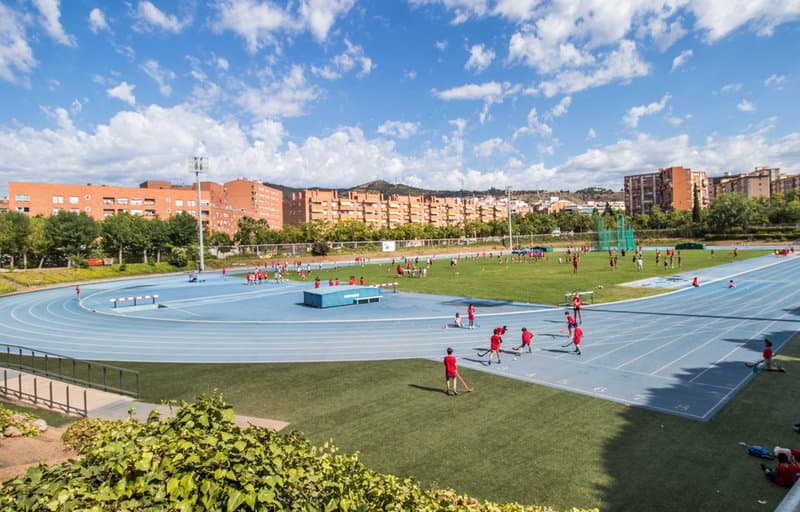
That matters because soft fitness thrives on easy access and low friction. Barcelona’s coastline, from Barceloneta to Diagonal Mar and the Olympic Marina, already functions like an outdoor recovery loop: a place for walking, breathing, stretching, and letting a day unfold at a slower tempo. Turisme de Barcelona explicitly describes the coastline as an open-air sports track for jogging, Nordic walking, and leisurely strolls, which is exactly the kind of language that turns movement into habit rather than punishment.
From beaches to green lungs
The city’s restorative appeal does not stop at the waterline. Turisme de Barcelona highlights Parc de Collserola as a protected natural site covering some 8,000 hectares, and pairs it with Montjuïc as one of Barcelona’s great green lungs. That combination gives the city a rare range of low-intensity movement settings, from seaside walks to hillside routes and park-based outings that feel more like decompression than training blocks.
For a wellness traveler, that means Barcelona can support a full spectrum of recovery-friendly movement in one stay. A morning might begin near the beach, continue through a shaded park route, and end with a studio class or spa session. The city’s appeal is not only that it offers options, but that those options connect naturally, which is why the wellness story reads less like a niche luxury add-on and more like a livable urban rhythm.
What the four-day itinerary reveals about demand
Barcelona.com’s four-day wellness itinerary is useful because it reveals how people now want wellness packaged: clear, practical, and flexible. The structure signals low-friction access, the kind of planning tool that helps a traveler move from one restorative choice to the next without needing a specialist’s knowledge. In other words, the itinerary is not just content. It is conversion infrastructure.
That matters for the fitness industry because the demand funnel is widening. Someone can enter through spa content, then drift toward yoga, mobility work, or light training, and eventually become a gym member or a repeat class customer. Many Barcelona operators are already selling that spectrum, not a single discipline, and the city’s wellness content reflects the same logic. The opportunity is no longer limited to hard-training consumers. It also includes people looking for a gentler on-ramp into a healthier routine.
Tourism marketing, or a deeper change?
There is a marketing element here, of course. Barcelona’s tourism ecosystem is built to bundle experiences, and the city’s official platform already presents city routes, public transport, walking tours, and practical topics that include medical tourism. That makes wellness easy to fold into the broader visitor experience, alongside culture, mobility, and leisure.
But the market intelligence points to something broader than branding. Turisme de Barcelona says its media center monitors tourism supply and demand, visitor profiles, ratings, and opinions through studies and statistics, with the Observatori del Turisme a Barcelona: ciutat i regió serving as its statistics and market-intelligence platform. That suggests the city is not merely decorating itself with wellness language. It is measuring how people actually use the city, and that includes a growing appetite for slower, more restorative experiences.
The bigger economic backdrop
The scale of the opportunity helps explain why soft fitness is becoming hard to ignore. Spain’s tourism sector reached 200,699 million euros in tourism GDP in 2024, equal to 12.6 percent of GDP, and tourism employment exceeded 2.7 million jobs, or 12.3 percent of total employment. Barcelona’s wellness framing sits inside that larger visitor economy, not outside it.
That is why recovery-oriented travel feels less like a side trend and more like a serious category. When a city with beaches, parks, public transport, and year-round outdoor appeal starts packaging spas, yoga, slow movement, and digital detox as part of its core story, it is telling the market that wellness is not just about exertion. It is about how an urban destination can make rest feel active, and make fitness feel sustainable.
Barcelona’s most interesting wellness move is not that it has added recovery to the menu. It is that recovery now looks central to the menu, and that may be the clearest sign yet that soft fitness has become part of the city’s future.
This article was produced by Prism’s automated news system from verified source data, official records, and press releases, then run through automated quality and moderation checks before publishing. The system is built and supervised by the people who set the standards it runs under. Read our full AI policy.
Did this article answer your question?