Barcelona’s Montjuïc 360º turns a city hill into a fitness trail
Barcelona has turned Montjuïc into an 11-km public training loop, pairing hill climbs with a city-led walking network that works for daily exercise.
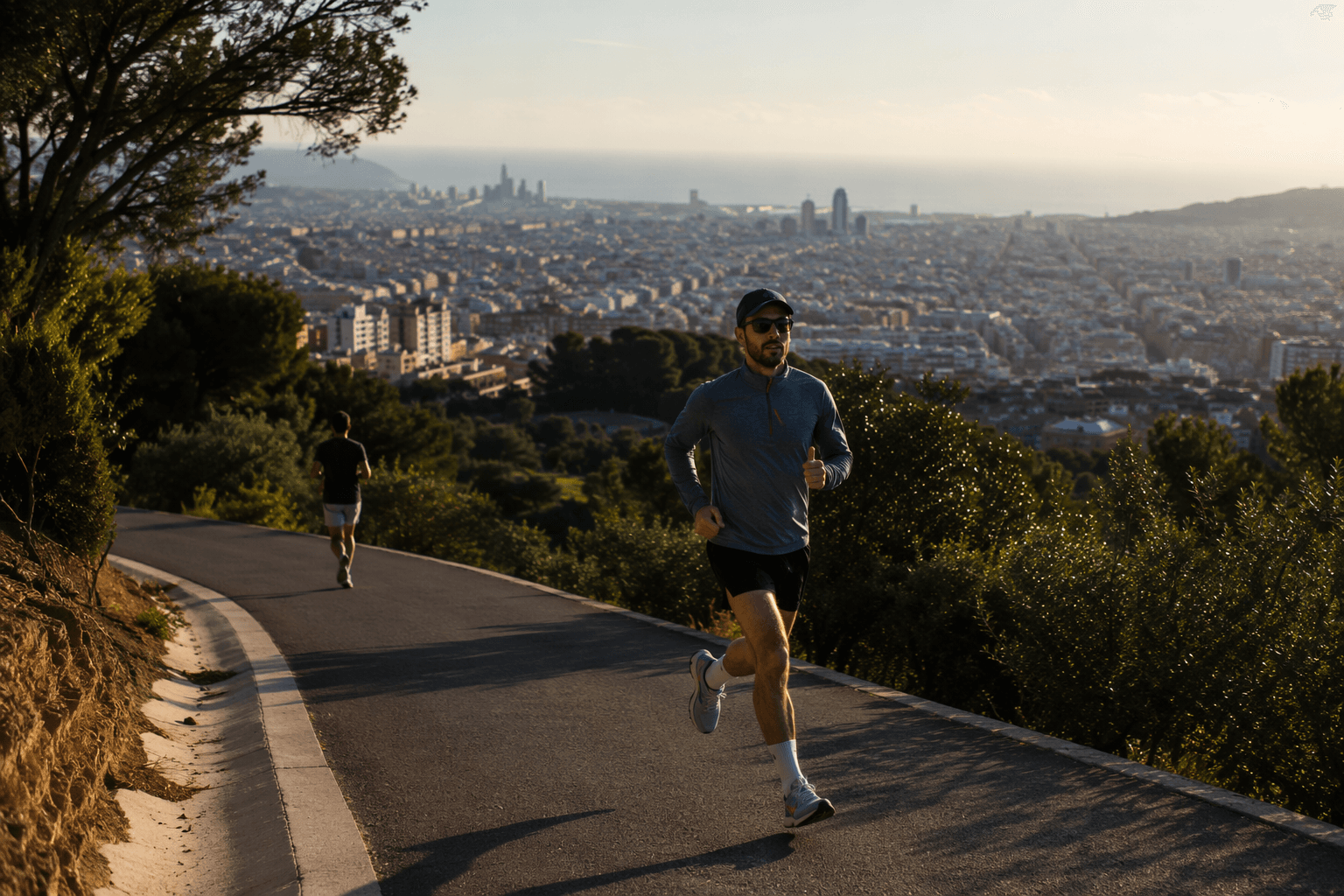
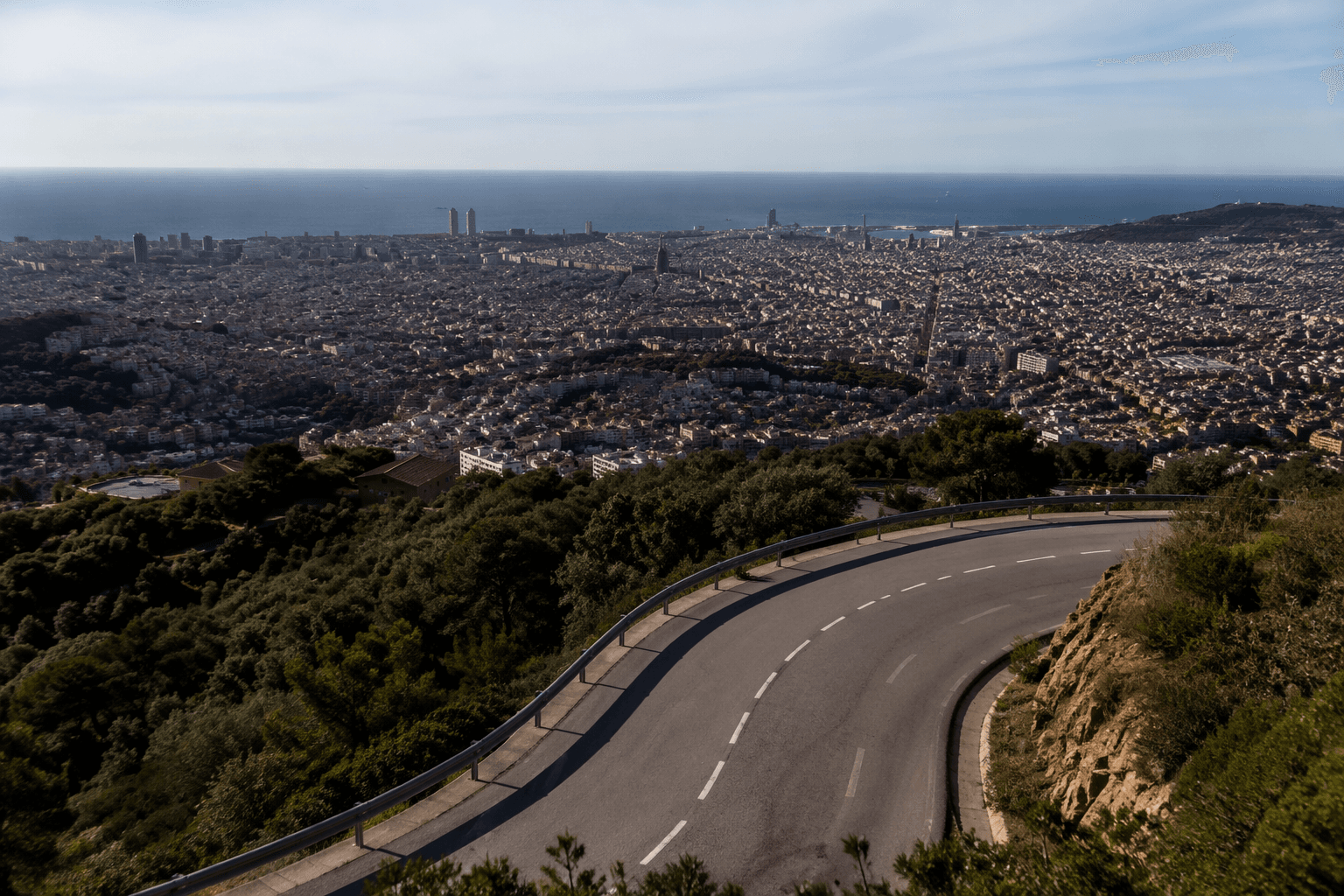
Montjuïc 360º turns Barcelona’s best-known hill into a year-round training circuit. The city describes it as the first hiking trail entirely within Barcelona, and at just over 11 km, it is long enough to feel like a real session, not just a scenic stroll.
An urban hill that behaves like a workout
The route works because Montjuïc is not flat, and it is not pretending to be. Its sustained changes in grade give walkers, runners, and stair climbers a built-in mix of cardio, leg strength, and hill work without pushing them out of the city. For anyone who wants an endurance session with terrain variety, that is a much better use of a city hill than the usual token loop around a park.
The loop format matters too. Because Montjuïc 360º circles the mountain, it is easy to time, repeat, or shorten into a personal training block. That makes it practical for an hour-long active walk, a steady recovery day, or a tougher hill session built around repeated climbs and descents.
What the route actually gives you
Route listings identify Montjuïc 360º as PR C-229, which places it in the same mental category as other marked walking and hiking routes rather than a one-off sightseeing path. That label is useful because it tells you the route is designed to be followed as a trail, not improvised as a casual wander.
The official city framing also gives the route more credibility than a generic urban promenade. Barcelona City Council presents Montjuïc 360º as an official city route, and that matters for everyday use: it signals a piece of public fitness infrastructure, not a branded attraction with a narrow tourist season. For residents, that makes the hill part of the weekly exercise menu, not a special trip.
How to use the hill by workout style
Montjuïc 360º fits different training goals without asking you to change location. If you want low-impact aerobic conditioning, the circuit works as a steady walk with enough grade change to keep heart rate up. If you want more strength and stamina, the repeated climbs and descents give you a natural hill workout that you can scale by pace, by number of loops, or by the sections you choose to emphasize.
The route’s circular shape is what makes that flexibility so useful. A beginner can use it for an unhurried active walk and still finish with a sense of having done something real; a more experienced exerciser can turn the same terrain into a longer endurance block. That kind of shared-use design is exactly what a good public fitness trail should do.
Why Montjuïc makes the trail more than exercise
Montjuïc works as a fitness setting because the hill is dense with parks, gardens, historic landmarks, and Olympic-era facilities in a compact area. That gives the route an active-sightseeing quality that many people find easier to stick with than a gym-only routine. You are moving through a landscape that changes as you go, which is one reason this kind of route stays interesting across seasons.
A 2024 paper titled “Enhancing Access to Urban Hill Parks: The Montjuïc Trail Masterplan and the 360° Route Design in Barcelona” places the route inside a broader trail masterplan for Montjuïc. That is the key point: the 360º loop is not a gimmick tacked onto a tourist hill, but part of a planned approach to making urban green space easier to reach and easier to use.
The guided entry point at Montjuïc Castle
Barcelona backs up the self-guided loop with organized walking through Camina Montjuïc. The city runs culture-and-nature routes from Montjuïc Castle every weekend, with walks lasting between 90 minutes and two hours and led by two official guides who know the mountain well.
That setup gives you a clean progression. The guided walks are the easiest entry point if you want structure, local context, or a first look at the terrain; Montjuïc 360º is the self-directed version once you know the hill and want to use it on your own terms. Montjuïc Castle is the anchor for that system, and it is a smart one because it sits right inside the route ecosystem.
Why this matters beyond leisure
Montjuïc 360º fits Barcelona’s wider push toward walking and sustainable mobility. The EU Urban Mobility Observatory says Barcelona’s Urban Mobility Plan 2024 aimed for an 80% share of sustainable modes by 2024, which helps explain why walking routes are being treated as city infrastructure rather than a nice extra.
That is where Montjuïc 360º becomes more than a good idea for tourists or weekend exercisers. In Sants-Montjuïc and across the city, a marked 11-km hill loop gives residents a repeatable way to walk, train, and move through green space without leaving Barcelona. It is one of the clearest examples of how a city can turn topography into public fitness infrastructure that people can actually use.
This article was produced by Prism’s automated news system from verified source data, official records, and press releases, then run through automated quality and moderation checks before publishing. The system is built and supervised by the people who set the standards it runs under. Read our full AI policy.
Did this article answer your question?