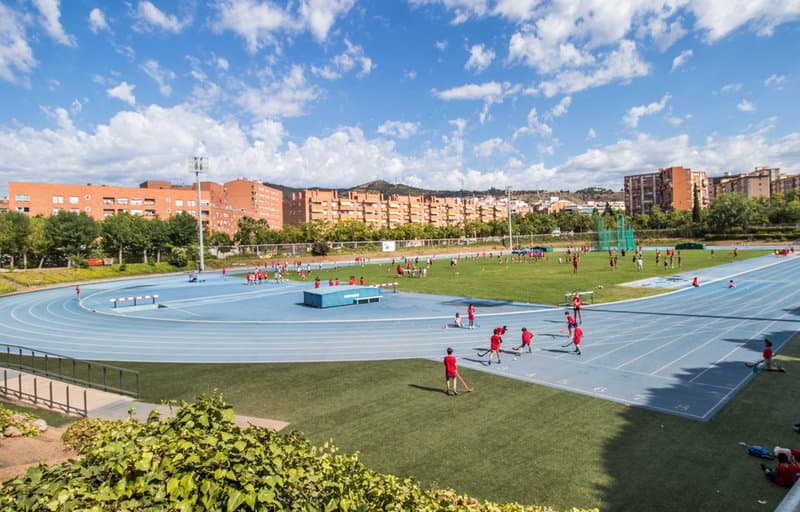
Barcelona’s parks become fitness infrastructure in Time Out guide
Barcelona’s parks are more than scenery, they are free fitness infrastructure, with Horta and Cervantes showing how the city turns green space into training ground.
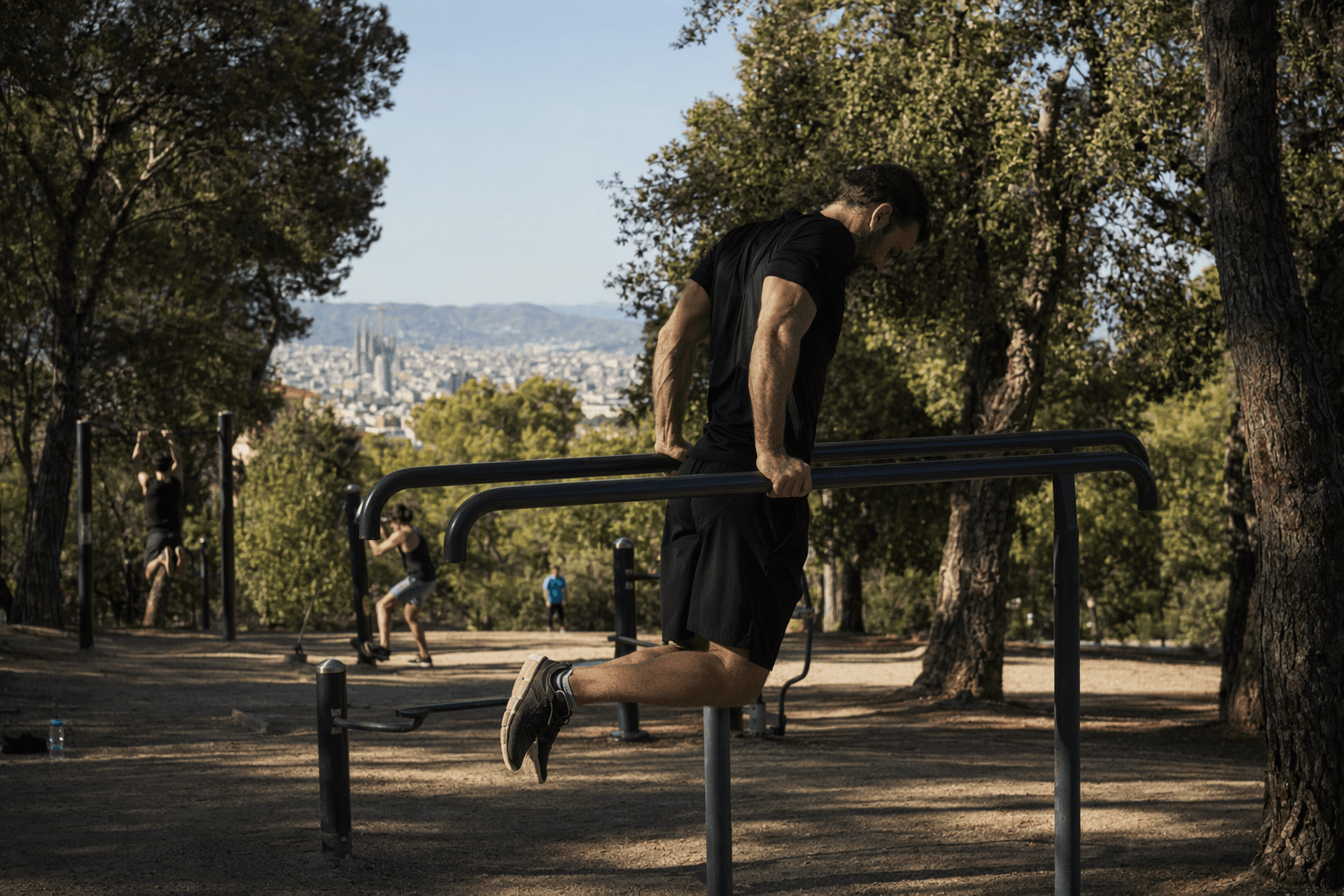
Barcelona’s parks are doing the job of a citywide gym membership without the monthly bill. That is the real story behind Time Out’s guide: not just where to stroll, but where residents can walk, run, stretch, climb into a routine, and keep moving in a city that has built exercise into its public space.
Barcelona’s green space works like infrastructure
The key shift is to stop treating parks as decoration. Barcelona’s own urban policy frames green spaces as part of its ecological infrastructure, tied to health, well-being, beauty, culture, landscape, and social life. The city also points residents toward a practical “Get fit” toolkit that includes walking and cycling routes, outdoor sports venues, and park-based sports circuits, which is about as direct a sign as you will ever get that exercise here is meant to spill outside the gym.
That matters because Barcelona has spent years redesigning how public space works. The city introduced its first Superblock in 2016, giving more room to pedestrians, bicycles, and public transport, while its Green Infrastructure and Biodiversity Plan dates to 2012. Add in the Municipal Institute of Parks and Gardens, which manages parks, gardens, street trees, flower beds, and planters, and you get a city that treats outdoor movement as a planning issue, not a lifestyle bonus.
The parks that do the heavy lifting
For walkers, recovery days, and anyone who wants a low-friction place to move, Parc del Laberint d’Horta is the clearest example of Barcelona’s park-as-gym logic. It is the city’s oldest conserved garden, built in the late 18th century, and it still carries that layered identity: originally Neoclassical with a slightly Italian look, later reshaped by Romantic landscaping. The maze itself, made from trimmed cypress walls, gives the park a distinct rhythm for slow laps, and the sculpture of Eros in the center turns a simple walk into a small destination.
That makes Laberint d’Horta especially good for people who want movement without the noise and pace of a commercial fitness space. The park’s sculptures, fountains, decorative vegetation, and historical landscaping encourage the kind of steady, all-ages activity that never shows up in gym brochures, but keeps people moving anyway. In Horta-Guinardó, it is more than a preserved garden. It is a place where a walk becomes the workout.
Why Cervantes matters for actual training
Parc de Cervantes, in Les Corts, plays a different role. Barcelona describes it as an open green space with large grass areas, wide paths, and a gentle slope, which is exactly the kind of terrain that works for easy runs, incline repeats, brisk walking, and long mobility sessions that need room to breathe. The park sits on land that once held the Estela torrent, so the ground itself has a shape to it, even when the session is simple.
It is also the city’s only park of its kind, with rose gardens and sculptures giving it a more formal character than a plain exercise field. That combination of space and calm is what makes it useful: you can keep a steady pace without feeling boxed in, and you can use the slope without turning the workout into a full hill grind. For a city where private clubs can get expensive fast, Cervantes is the kind of public asset that quietly keeps people active.
Where the running culture already lives
Barcelona’s park ecosystem is not theoretical. Social running listings show regular runs meeting in Montjuïc and Ciutadella Park, which tells you a lot about how residents actually use the city. Parks here are not just for Sunday wandering; they are recurring venues for weekly training, group pacing, warmups, cooldowns, and the social glue that keeps people coming back.
That is why Barcelona’s outdoor scene supports more than runners. The same environment that works for club runs also supports yoga meetups, bodyweight sessions, and the kind of informal fitness communities that thrive when open space is easy to reach and psychologically easy to use. When a city normalizes outdoor movement, it creates demand for everything around it, from recovery habits to mobility work to the simple expectation that daily exercise can happen outside.
Neighborhoods that are well served, and the ones the city has to watch
Horta-Guinardó is clearly one of the strongest green-space neighborhoods in this story because it has Parc del Laberint d’Horta, a destination garden with real exercise value for walkers and slower-paced movement. Les Corts is similarly well served thanks to Parc de Cervantes, which offers broad paths and enough open space to support actual training rather than just a scenic detour. On the active-running side, Montjuïc and Ciutadella Park are already embedded in group exercise culture, which means the central city has reliable outdoor workout anchors too.
The harder question is access, and Barcelona is not pretending that proximity is identical for everyone. Its open-data resilience atlas analyzes access to public green spaces by age group and walking speed, which is a very specific way of saying that a park’s value depends on who is trying to reach it and how fast they can get there. That matters for older residents, slower walkers, and people living in denser districts where a decent park can change whether outdoor exercise feels easy or impossible. The city’s own planning framework suggests it understands that a map full of green dots is not the same thing as equal access.
Barcelona’s real fitness advantage
What makes Barcelona unusual is not simply that it has parks. Plenty of cities do. It is that Barcelona has built a civic habit around using them, backed by policy, catalogued in open data, and reinforced by the way people actually train. The city’s public green spaces are part of the infrastructure of daily movement, which is why they matter as much to a runner’s weekly schedule as to a family picnic.
For anyone trying to stay active without paying for a private club, Barcelona’s parks are the cheapest high-value training network in town. Laberint d’Horta gives the city a historic walking landscape; Cervantes gives it broad, usable room; Montjuïc and Ciutadella keep the group-run culture moving. The city’s green spaces are not an accessory to fitness. They are the place where Barcelona’s fitness culture happens.
This article was produced by Prism’s automated news system from verified source data, official records, and press releases, then run through automated quality and moderation checks before publishing. The system is built and supervised by the people who set the standards it runs under. Read our full AI policy.
Did this article answer your question?