Casa Barré expands Barcelona boutique fitness with inclusive barre classes
Casa Barré is packaging low-impact barre as a premium Barcelona workout, with classes for pregnancy, postpartum recovery and injury recovery. Its Beethoven street address fits a fitness model built around design, music and inclusion.
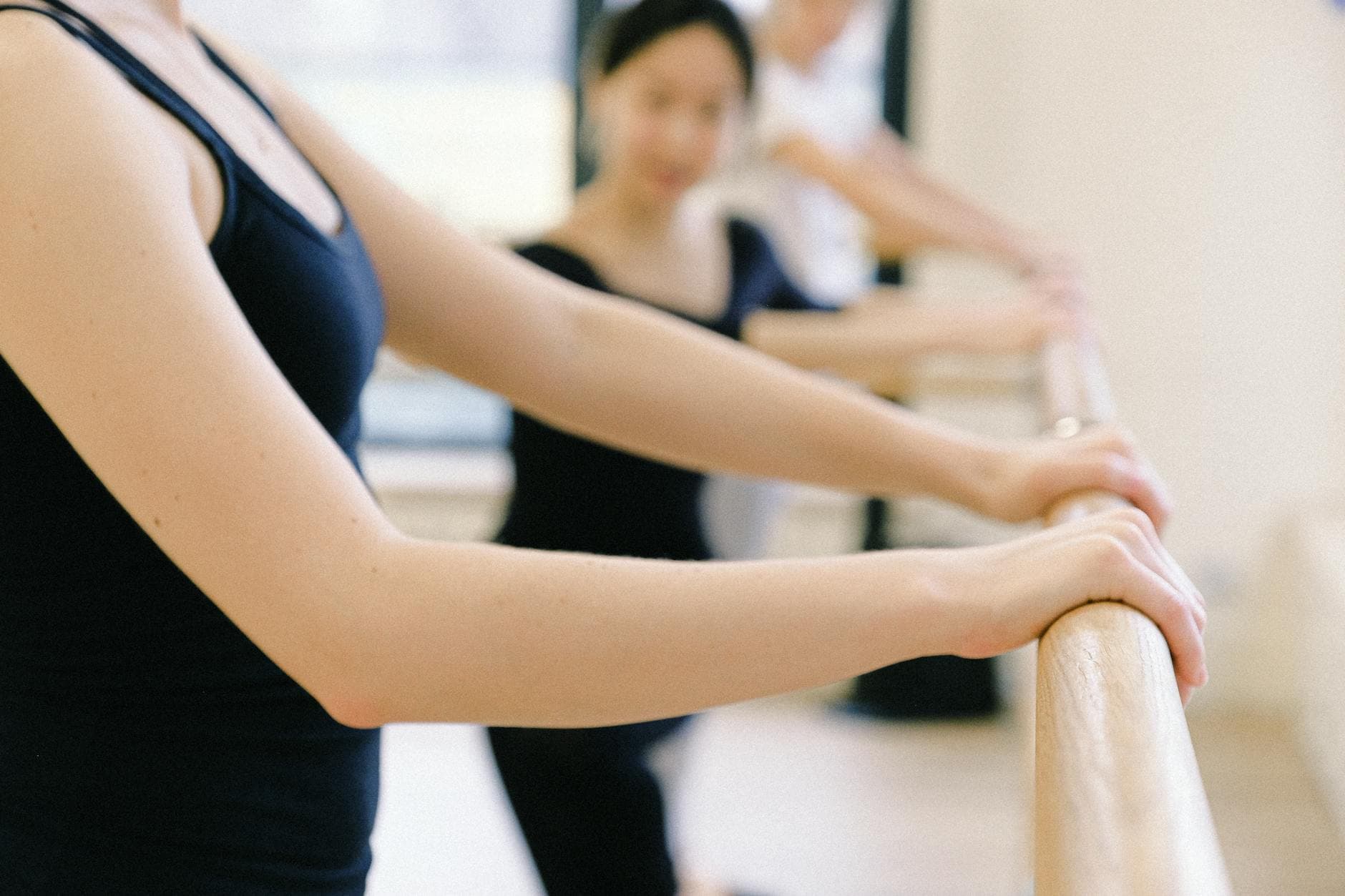
Casa Barré is pushing Barcelona boutique fitness toward something softer on the body and stronger on branding. At its Carrer de Beethoven, 12 studio in Sarrià-Sant Gervasi, the company positions barre as a full-body method that combines strength, resistance and cardio while also improving posture, flexibility, coordination and balance.
That formula is part of the appeal. Casa Barré says the method is low impact and adapts to all shapes, ages and physical conditions, including people with injuries, pregnant clients and those in postpartum recovery. The studio frames the workout as demanding without being punishing, a balance that fits a growing appetite for exercise that supports aging well, protects joints and reduces the wear and tear associated with harder training styles.
The Barcelona location also shows how the workout has been packaged as an experience, not just a class. Casa Barré emphasizes music, rhythm and a carefully designed setting, and it offers online classes each week, including prerecorded sessions and app-based access. That mix gives the brand reach beyond one neighborhood while keeping the same polished identity that defines the in-person studio.
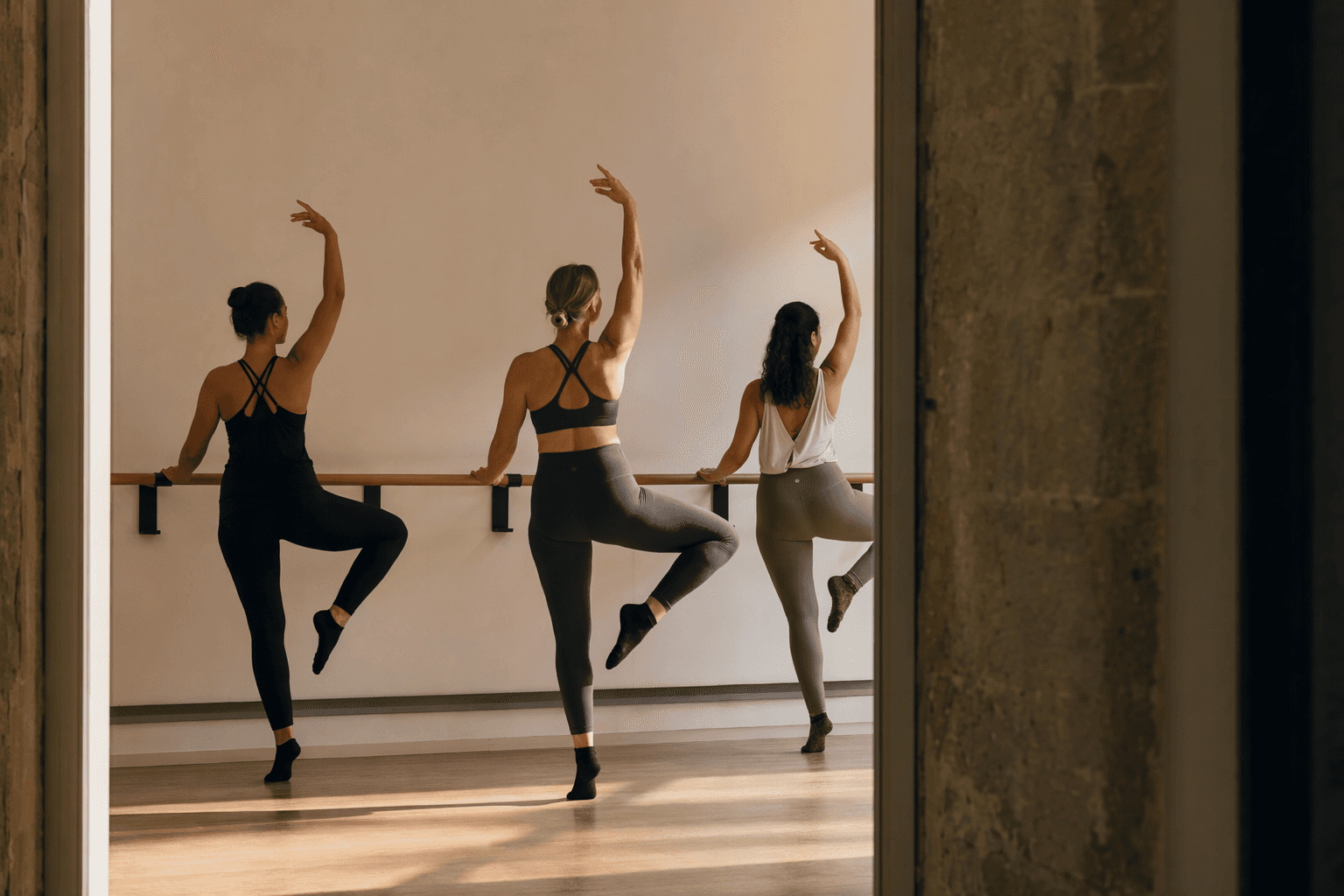
The leadership behind the Barcelona operation underscores how deliberately the brand is being built. Paola Alamán and Georgina Morán are identified as the founders of Casa Barré Barcelona, with Triana Alarcón serving as director and partner. Their messaging is consistent: barre is presented as a low-impact format that protects the pelvic floor and joints while still delivering serious training.
That combination is exactly what is helping barre move from niche to mainstream in Spain. Casa Barré’s language makes the format feel accessible rather than intimidating, and that matters in a market where consumers increasingly want studios that match both physical goals and lifestyle preferences. In Barcelona, where premium wellness carries real weight, the workout is also being sold as a mood, a design choice and a sense of belonging.
The address itself adds another layer of local resonance. Carrer de Beethoven echoes Casa Beethoven on La Rambla, a music specialist dating to 1880, which gives the studio’s name and positioning an extra cultural fit. It is a small detail, but it suits a brand that leans hard on rhythm and atmosphere.
Casa Barré’s growth in Barcelona also sits within a larger national expansion. In Madrid, the brand is tied to Inés Morán, one of the three Mexican women credited with introducing barre to Spain, and the company has already moved from its first specialized center in 2021 to a fourth studio in Caleido, on Paseo de la Castellana, 259E. The message from both cities is clear: low-impact barre is no longer a side option. It is becoming one of the core products of Spain’s boutique fitness economy.
This article was produced by Prism’s automated news system from verified source data, official records, and press releases, then run through automated quality and moderation checks before publishing. The system is built and supervised by the people who set the standards it runs under. Read our full AI policy.
Did this article answer your question?