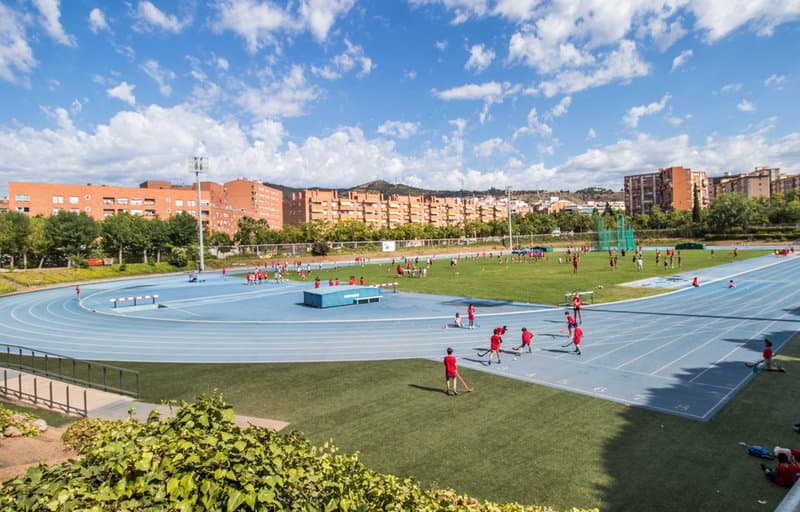
Barcelona’s CEM Can Ricart blends training, spa and neighborhood identity
CEM Can Ricart turns a former textile factory into a neighborhood wellness hub, pairing hard training with spa recovery and daily-life convenience.
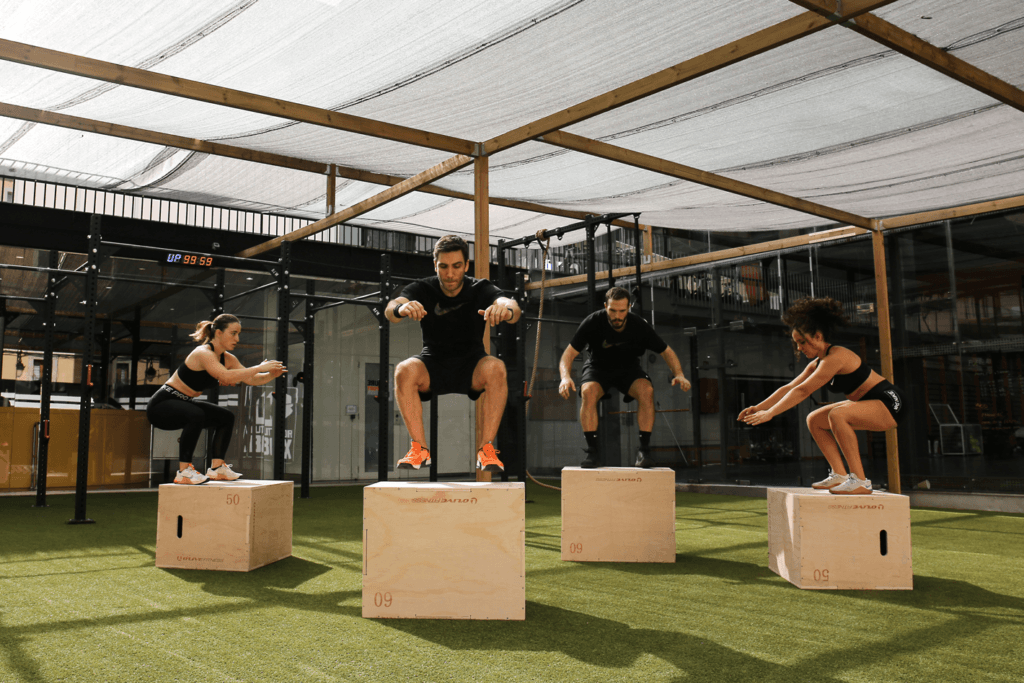
Barcelona’s neighborhood club, not a glossy flagship
CEM Can Ricart makes its case by doing more under one roof than most city gyms even attempt. In the heart of El Raval, the Municipal Sports Centre in Ciutat Vella combines an outdoor crosstraining box, a yoga boutique, a health centre, NUN Wellness & Spa, a Mind Studio for Pilates reformer, swimming courses, personal training, and space rental. That mix matters because it shifts the value proposition away from pure gym-floor utility and toward something more useful in real life: a place where training, recovery, and community routines can all happen in the same building.
The setting gives the center its edge. Can Ricart was inaugurated on July 10, 2006 after the restoration of an old textile factory, so it arrives with heritage built into its identity rather than layered on as branding. The address, Carrer de Sant Oleguer, 8-10, places it squarely in the Raval, which means the club works as a neighborhood fixture first and a destination second. That difference is the point. A premium central-city flagship may win on spectacle, but a local center like this can win on habit.
What lives under one roof
The center’s appeal comes from breadth, and not in a vague, everything-to-everyone sense. The offer is specific enough to serve different training moods across the week:
- An outdoor crosstraining box for harder conditioning work
- A yoga boutique for slower, mobility-driven sessions
- A health centre for broader support services
- NUN Wellness & Spa for recovery
- A Mind Studio for Pilates reformer
- Swimming courses for pool-based training
- Personal training for coaching and progression
- Space rental for events, classes, or local use
That is a much smarter mix than the old gym model of weights, machines, and a locker room. It acknowledges that members increasingly want to stitch together strength, mobility, coaching, and recovery without crossing the city to do it. In a dense market like Barcelona, convenience is not a soft benefit. It is one of the few things that can keep people showing up three or four times a week.
Why the spa is the strategic piece
The most revealing part of the Can Ricart story is not the gym floor. It is NUN Wellness & Spa. The center opened the spa on May 19 and promoted open days there on May 8 and 9, 2026, which shows how deliberately wellness is being positioned as a core service rather than a decorative add-on. The spa offer is explicit: sauna, cryotherapy, infrared, and more.
That matters because the market has changed. People do not just want to sweat anymore; they want to manage recovery, reduce friction, and make the whole experience feel worth the trip. A club that can combine hard training with softer recovery wins a longer share of the weekly routine. You lift, you stretch, you get in the water, then you use the spa to reset. The point is not luxury for its own sake. It is adherence, and Can Ricart seems built around that idea.
The spa also helps explain why the center feels different from a central-city flagship. Big premium clubs often sell status through design, exclusivity, and polish. Can Ricart sells utility with a neighborhood voice. If you live nearby, a sauna or cryotherapy session is not a special outing. It becomes part of the normal loop.
Mind Studio gives the center a quieter lane
The Mind Studio is an important piece of the puzzle because it pulls the club beyond brute-force fitness. It works with the Pilates Method in reformer format and is described as offering personalized attention in an environment that inspires calm, focus, and energy. That is exactly the kind of proposition that makes a multi-use center feel complete. Someone can come in for conditioning, another person can come for rehab-minded movement, and both are using the same facility without the center feeling split into disconnected departments.
This is where neighborhood identity starts to matter. A large flagship can build strong brand recognition, but it can also feel anonymous. At Can Ricart, the Pilates room, the spa, the pool, and the crosstraining zone seem designed to meet distinct rhythms of the same local community. The club is not just storing equipment. It is organizing a weekly lifestyle.
The Raval location is part of the model
CEM Can Ricart’s Raval address is more than a line on a map. In a district like Ciutat Vella, the winning club is often the one that sits inside the daily path of residents rather than pulling them across town. That is why accessibility can matter as much as premium equipment. When a center is close enough to become routine, it becomes useful in a way destination gyms rarely do.
The building’s origin story reinforces that local identity. Restoring an old textile factory and turning it into a sports center gives the space texture and continuity. It also fits a broader Barcelona pattern: reuse the city’s industrial past in ways that make sense for present-day living. Can Ricart does not erase its history. It turns that history into part of the experience.
Why the wider Can Ricart transformation matters
The neighborhood framing gets even stronger when you look at the wider urban project around the Can Ricart complex. Barcelona approved the definitive urbanisation project for the historic industrial site in August 2023. The finished first phase covered 4,386.53 square meters of the larger 17,923-square-meter plan and came with 2.4 million euros of investment. City officials have described the work as a way to open the complex to the neighborhood, bring protected industrial buildings together with new construction, and emphasize green space and heritage.
That context helps explain why a wellness-oriented sports center belongs here. Can Ricart is not sitting in isolation. It is part of a broader effort to turn an old industrial site, dating to 1853, into a place that serves current urban life. The fact that it is the only 22@ area site cited with BCIN protection in city materials gives the whole project extra weight. In practical terms, that means the center benefits from a setting that is being reshaped for neighborhood use rather than locked away as a relic.
What residents gain from this model
The real lesson from CEM Can Ricart is that the best local clubs do not need to imitate luxury flagships to compete with them. They need to solve more of the week. Can Ricart does that by bundling training, pool work, Pilates reformer, personal coaching, recovery, and spa services into one address in the Raval. It is a neighborhood wellness hub in the most useful sense: close enough to use often, broad enough to stay relevant, and rooted enough to feel like part of the district rather than a branded island within it.
That is the model worth watching in Barcelona. The future may not belong to the biggest club on the avenue. It may belong to the one that makes daily life easier, one recovery session and one training block at a time.
This article was produced by Prism’s automated news system from verified source data, official records, and press releases, then run through automated quality and moderation checks before publishing. The system is built and supervised by the people who set the standards it runs under. Read our full AI policy.
Did this article answer your question?