Deloitte report signals strong growth, consolidation in European fitness sector
Europe’s fitness market pushed past 75 million members and 65,700 clubs, with 27 deals signaling faster consolidation. Barcelona is right in the path of that wave.
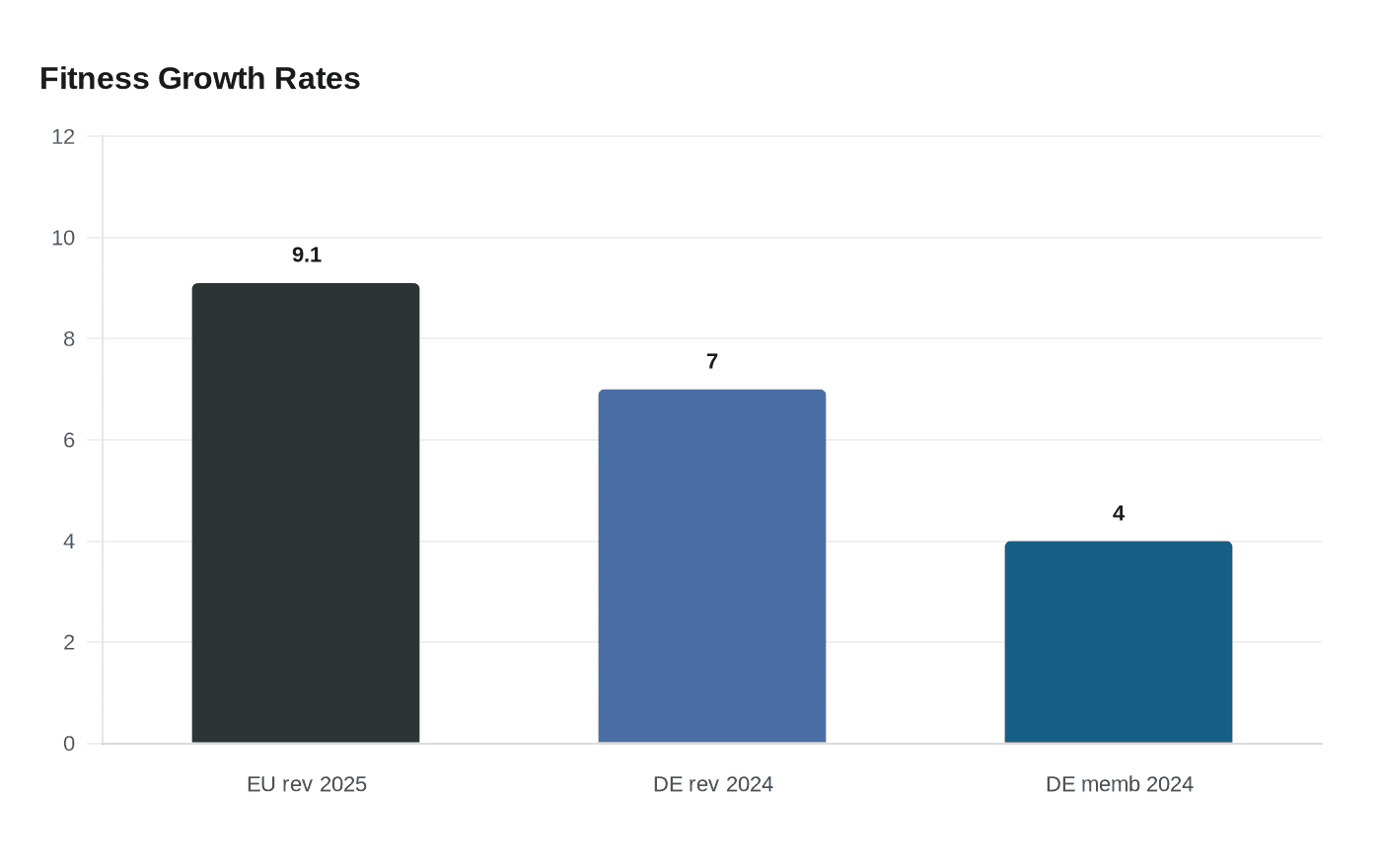
Barcelona gym operators have a clear message from Europe’s latest fitness numbers: demand is still expanding, but scale and differentiation now matter as much as floor space. Deloitte and EuropeActive’s 2026 European Health & Fitness Market Report put European fitness revenues up 9.1% in 2025, with memberships topping 75 million and club counts reaching 65,700. Twenty-seven mergers and acquisitions were also recorded, a sign that growth is no longer just about opening more doors, but about building bigger platforms and buying momentum where it already exists.
That matters in Barcelona because the city has spent the past two years proving it can absorb premium and experience-led concepts. Lapso Studios opened a second boutique gym in Barcelona in June 2024, doubling the footprint of its first location. Alfa5 in Poblenou reopened in December 2024 after a three-million-euro investment, turning a familiar sports site into a higher-tech destination built around sport and augmented reality. Concept Barre opened a Barcelona center in 2025 and tied fitness to art and fashion, while Repeat, a Pilates and recovery studio, opened in March 2026. Those are not generic gym launches; they are the exact kind of specialized formats the European report says are gaining traction.

The broader cycle is already visible in Germany, where Deloitte’s separate market analysis showed total revenue rising 7% in 2024, memberships increasing 4%, and chain operators continuing to gain market share. That is the kind of consolidation pattern Barcelona operators should expect to feel next, especially in district clusters where rents are tight and a strong brand can outmuscle an undifferentiated training floor. Fitness Park’s rapid Spanish push, with 35 centers and 20 openings in 2024, underlines how quickly larger operators can scale once the economics work.
Barcelona’s twist is that it does not behave like a plain-vanilla growth market. Tourism keeps foot traffic high, density squeezes sites, and premium pricing only works when the offer feels distinctive enough to justify it. That is why the report’s emphasis on boutique and specialized formats lands so cleanly in this city. Barcelona already rewards personal training, functional fitness, Pilates, small-group classes and neighborhood studios that can sell community as much as access. The risk is that consolidation and capital will push more chains into the same neighborhoods. The opportunity is that the city has become a testing ground for the very models Europe is now rewarding.
This article was produced by Prism’s automated news system from verified source data, official records, and press releases, then run through automated quality and moderation checks before publishing. The system is built and supervised by the people who set the standards it runs under. Read our full AI policy.
Did this article answer your question?