Gen Z shifts spending from bars to gyms and wellness
Gen Z is turning gyms into social hubs, and Barcelona clubs are racing to sell community, status, and shareable experiences, not just workouts.
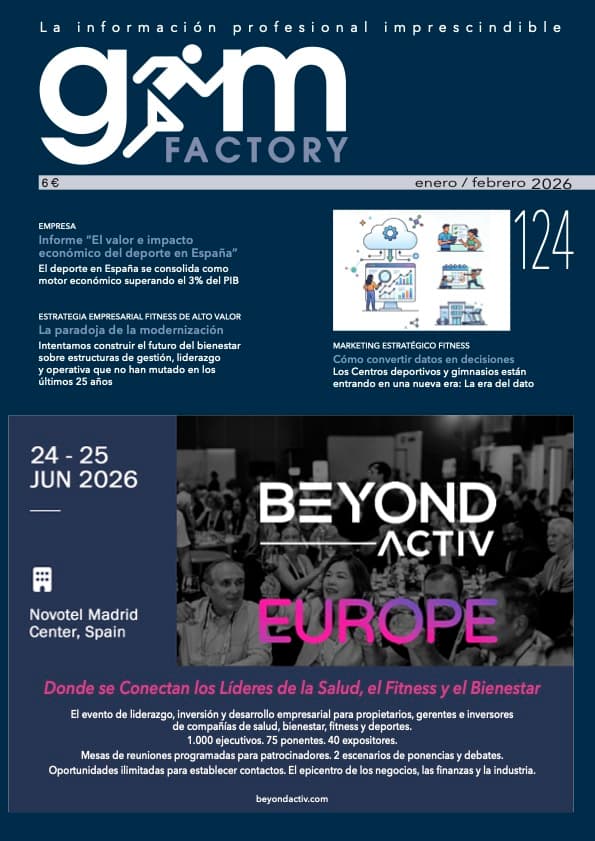
The gym is no longer just where Gen Z works out. It is where they meet friends, look for dates, and spend the money they used to burn on bar tabs. In Barcelona, that shift is forcing clubs, studios, and hybrid wellness spaces to rethink everything from class schedules to interiors to membership models.
The money is moving from bars to barbells
Bank of America says Gen Z and millennials are showing stronger spending growth for fitness and active hobbies than bars, and its Institute note captures the shift neatly as socializing moving from "barstools to barbells." The bank also points to SAMHSA data showing millions fewer 21-34-year-olds binge drinking than a decade ago, which helps explain why the old nightlife budget is being redistributed into gym memberships, boutique classes, and wellness add-ons.
Mintel’s consumer research backs that up from another angle. In the United States, 30 percent of Gen Z consumers say they are spending more on gym memberships and classes than they were a year earlier, while in the United Kingdom, 40 percent of 16-24-year-olds have moderated their alcohol intake in the last year. That is not a niche wellness trend anymore. It is a spending pattern that starts with one night out and ends with a monthly membership.
Bloomberg’s May 2026 coverage pushed the idea even further, describing a $300-a-month gym as Gen Z’s social club. The interesting part is not the price tag, it is the use case: younger consumers in major cities are finding more chances to meet friends and potential romantic partners in reformer classes, run clubs, and spa-heavy gyms. The workout is the excuse; the real product is access to people, identity, and a place that looks good on camera.
Why Barcelona is exactly where this shift shows up
Barcelona is built for this kind of consumer behavior. The city already has a large young professional population, a strong expat community, and the kind of social, outdoor lifestyle that rewards places where people can linger after class instead of disappearing the moment the timer stops. One Barcelona gym guide says the city has more than 200 gyms, with monthly prices ranging roughly from €25 to €140, which tells you the market already spans basic access and premium positioning.
The premium end of the market matters most here. Barcelona Secreta highlights sports centers that go beyond training with spas, physiotherapy, and personal advice, which is exactly the kind of extra service stack younger members now expect from a club that wants to be part gym, part lifestyle venue. If the experience feels like a stripped-down warehouse with dumbbells, it is already behind.
DiR is a good example of how operators are leaning into this. The chain advertises 20 clubs in Barcelona and Sant Cugat and pushes trend-led classes such as HYROX, Reformer Pilates, bootcamp, and boxing. That mix is not random. It gives members a reason to come back often, sample different formats, and treat the club as a weekly ritual rather than a single-purpose room for treadmill miles.
What winning clubs are building now
The old gym pitch was simple: a set of equipment, a locker room, maybe a pool if you were lucky. That is not enough for a generation that buys experiences, posts what it does, and uses fitness as part of its social identity. Clubs that want to win this crowd have to design for repeat visits, conversation, and content-sharing, not just reps and sets.
The strongest operators are doing a few things consistently:
- Mixing formats so the member can rotate between Reformer Pilates, HYROX, boxing, bootcamp, yoga, aerobics, and running clubs without leaving the brand.
- Adding recovery and spa services so the visit feels like a night out with utility, not a chore.
- Building membership tiers that make social use feel natural, especially for people who come with friends or want to sample multiple classes.
- Using interiors, lighting, and common areas that photograph well, because social media now acts like free advertising for the space itself.
That last point matters more than operators sometimes admit. TikTok and Instagram have turned training routines, Pilates clips, and wellness content into highly shareable formats, which means the gym is now competing in the same attention economy as bars and restaurants. If a studio wants to be part of someone’s identity, it has to look intentional in person and in a story post.
Barcelona’s best-positioned clubs understand that multilingual coaching, small-group formats, and neighborhood-based positioning are not nice extras. They are retention tools. A newcomer who is expat-adjacent, socially active, and looking for a community will stay longer in a club that feels local, welcoming, and easy to return to than in one that sells only sweat.
The new membership is really a social contract
This is the key consumer shift: younger members are not just buying access to equipment. They are buying an environment that helps them belong, stay active, and keep plans open after class. That is why the most compelling clubs in Barcelona are starting to resemble hybrid spaces, with more than one reason to show up and more than one kind of value to extract from the same visit.
The operators that get this right will not think like traditional gyms. They will think like hosts, curators, and neighborhood builders. In a city like Barcelona, where lifestyle and community are part of the product, that is where the next wave of loyalty will come from.
This article was produced by Prism’s automated news system from verified source data, official records, and press releases, then run through automated quality and moderation checks before publishing. The system is built and supervised by the people who set the standards it runs under. Read our full AI policy.
Know something we missed? Have a correction or additional information?
Submit a Tip