How Barcelona's club culture shaped modern fitness city
Barcelona’s fitness scene started with clubs, not chains. The city’s outdoor, municipal, and community-based habits all trace back to the sport boom of the 1890s to 1920.
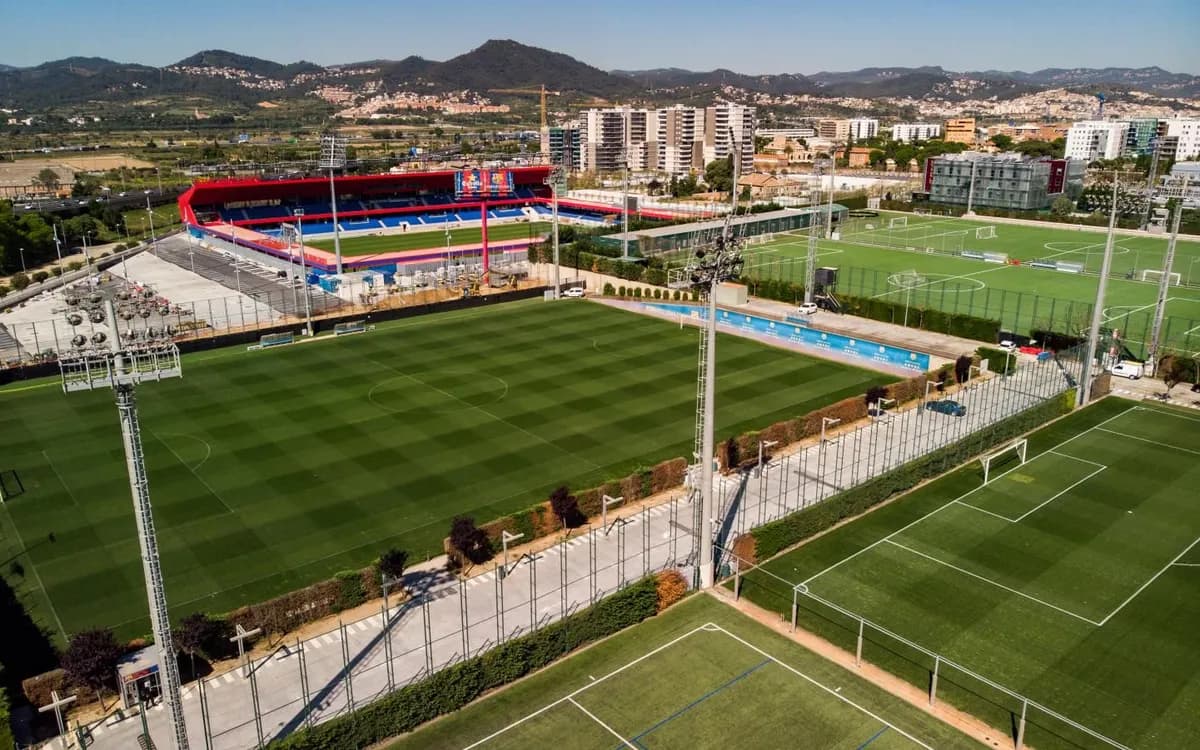
FC Barcelona was founded on 29 November 1899, years before municipal sports centres, boutique studios, running clubs, and public exercise programs made Barcelona look like a modern fitness city. But the city’s active identity was built long before today’s gym floor, in the era when clubs, civic groups, public space, and school sport started turning exercise into urban culture.
The city’s fitness DNA was set before the gym era
The stretch from the 1890s to 1920 is the starting point, when Barcelona and the wider Catalan region moved from loose recreation to organized sporting life. That period helps explain why the city still feels so comfortable with outdoor exercise, club participation, and public sport instead of relying only on private fitness chains.
In a 2014 Catalan Historical Review article, Carles Santacana writes that modern sports arrived in late 19th-century Catalonia as part of a wider quest to modernise society. Clubs organised by civil society were not just places to play, but the machinery that consolidated sport as both practice and entertainment.
FC Barcelona set the template for organised physical culture
The club was founded by a group of young foreigners living in Barcelona, and its creation reflected the rising popularity of football and other British sports across Europe. That mix of imported sports, local enthusiasm, and international influence helped define the city’s sporting personality from the start.
The club’s first 25 years were shaped by Joan Gamper, the driving force behind its early development. The club became a model for how sport could be built through membership, identity, and regular participation rather than through one-off events. Its early history had intercultural roots, a multi-sport character, and a deep connection to Barcelona and Catalonia.
Civil-society clubs did the heavy lifting
Santacana shows that sport was organised socially, not just athletically. Clubs operated as a public-facing infrastructure for physical culture, giving people a structured place to train, compete, spectate, and belong. That dual role, as both practice and entertainment, is one reason Barcelona never became a city with a single dominant fitness model.
This club-based culture also fit the broader political and cultural currents of the time. Santacana links it to Catalanism and the effort to present Barcelona as a modern city. Sport gained symbolic weight well before the era of branded wellness and premium studios.
Urban growth opened the door for outdoor exercise
Barcelona’s sporting expansion was helped by something much more physical: space. The Encyclopedia of Romantic Nationalism in Europe links 19th-century leisure expansion and urban growth beyond the old city walls to the spread of sports and other modern pastimes.
Once urban expansion pushed activity beyond the confines of the old walls, exercise could spread into spaces that were not tied to a single club building or private venue. That helped normalize a more public style of physical activity, where running, cycling, swimming, and casual training could take root alongside formal club sport.
School physical education widened the base
A later scholarly chapter places school physical education in Spain within the first half of the 20th century. Schools helped move exercise from a narrow club setting into everyday civic life, expanding who encountered structured movement and how early they encountered it.
That broader base helps explain why Barcelona’s fitness culture now stretches far beyond competitive sport. Swimming, athletics, calisthenics, cycling, and gym training all sit comfortably inside the same city because the foundations were laid in multiple places at once: clubs, schools, and public leisure spaces.
Why the modern scene still feels so mixed
Barcelona’s current fitness landscape can look fragmented at first glance. Municipal centres serve one layer of the city, boutique studios serve another, and outdoor spaces keep drawing in everyone from runners to calisthenics regulars. That variety is what you would expect from a city shaped by club culture rather than by a single industry model.
A modern Barcelona sports-sector overview describes Catalonia as a major sports power, an organiser of top international sports events, and home to top-level sports facilities. That is the contemporary expression of an older pattern: local participation built the base, and that base eventually supported high-capacity infrastructure and international visibility.
What you can still see in Barcelona today
To understand Barcelona’s fitness scene on the ground, look for the continuities rather than the newest trends. The city still rewards outdoor movement, still gives public sport real civic space, and still treats clubs and community participation as more than a side note. Those habits line up directly with the historical period from the 1890s to 1920, when sport became a marker of modernity and a shared urban practice.
This article was produced by Prism’s automated news system from verified source data, official records, and press releases, then run through automated quality and moderation checks before publishing. The system is built and supervised by the people who set the standards it runs under. Read our full AI policy.
Did this article answer your question?