Personalised nutrition works only when data becomes daily habit
Personalised nutrition only works when the advice fits real life. Barcelona’s crowded fitness scene shows why simple routines beat shiny dashboards.
The adherence gap is the whole game
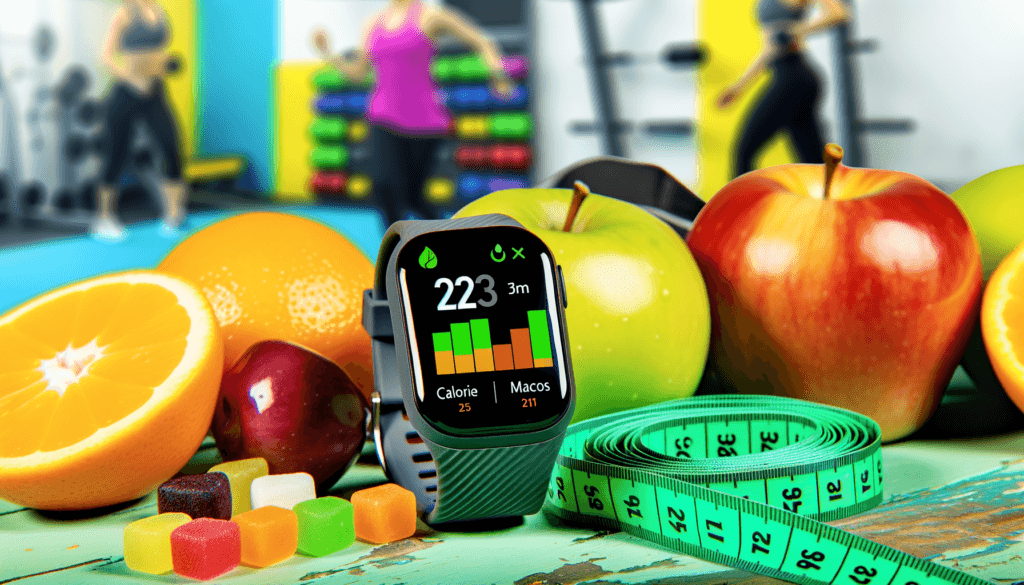
Personalised nutrition still fails at the same point: the hand-off from data to daily behaviour. A wearable can show sleep debt, recovery strain, and calorie burn all day long, but if the recommendation is hard to follow on a workday, after a training session, or inside a tight budget, the insight dies on the screen.
That is the real lesson Barcelona’s active market keeps making plain. The city is full of people already tracking, training, and comparing metrics, which means the next wave of nutrition products will be judged less by how much they know and more by how little friction they create.
Barcelona is a demanding test case
Spain’s sport and fitness sector is not a niche. One recent OBS Business School report puts it at 3.3% of Spanish GDP, with 4,561 gyms and 5.4 million users. Another market overview says Spain had 5.5 million gym members and more than 100,000 employees in the sector in 2023, which underlines how deeply fitness is embedded in everyday consumption.
Barcelona makes that pressure even more visible. The city’s 41 municipal sports centres returned in 2024 to pre-pandemic membership levels, and average use was about twice per week per person. That is exactly the kind of cadence personalised nutrition has to respect: not a laboratory routine, but a rhythm built around commuting, classes, sessions, recovery days, and the rest of urban life.
The digital backdrop is already crowded
If personalised nutrition is going to work here, it has to cut through a dense digital environment. Spain had 39.70 million social media users in January 2024 and 60.44 million active mobile connections in early 2024, so the average consumer is already living inside a stream of prompts, notifications, and content. Add in the scale of the category itself, and the pressure is obvious: health and wellness app downloads reached 3.6 billion worldwide in 2024, while the wearable market was forecast to ship around 560 million devices that same year.
The trouble is not access to information. It is overabundance. Statista projects global fitness-app revenue at US$9.22 billion in 2026, which tells you how much money is chasing attention in this space. The winning products will not be the ones that collect the most data; they will be the ones that help people use fewer, clearer signals to make one better choice at a time.
Why more data can make people worse off
The most useful idea in the personalised nutrition debate is also the least glamorous: lots of data does not automatically produce better decisions. In practice, wearables can even increase anxiety when the numbers are hard to interpret or the next step is unclear. That is especially true for active consumers who already juggle training plans, food preferences, work schedules, and budget constraints.
The best systems reduce the cognitive load. They give practical guidance, trim jargon, and build feedback loops that connect input and outcome in a way users can believe. In other words, they behave less like a control room and more like a coach who knows what matters on a Tuesday night when dinner, gym, and recovery all have to fit together.
What actually works in products and coaching
The most useful personalised nutrition offers in a city like Barcelona are usually the ones that disappear into routine. They do not ask people to redesign their lives around the product. They fit around the life that already exists, especially for people who are combining nutrition, exercise, recovery, and body awareness.
- Keep recommendations specific and immediate, such as what to eat after training or how to adjust protein intake on high-load days.
- Build the feedback around a small number of meaningful metrics, not a dashboard full of noise.
- Make the advice legible without specialist language, because confusion is the fastest route to abandonment.
- Tie nutrition prompts to existing routines, such as gym visits, commute times, or recovery windows, so the behaviour has a natural trigger.
- Respect budget limits, because a plan that is physiologically clever but financially unrealistic will not survive the month.
That is where coaches, gyms, and supplement brands can still win. They can turn the promise of personalisation into a habit loop, not just a data layer.
The science is moving in the right direction, but habits still decide the outcome
The evidence base is stronger than it was a few years ago. A 2025 Frontiers editorial says smart devices are being used as facilitators of behaviour change and self-management in personalised nutrition, which reflects the field’s shift from passive tracking to active coaching. A 2025 Advances in Nutrition perspective goes further, arguing that current personalised nutrition approaches have had limited scientific success unless they better integrate biomedical, psycho-behavioural, and environmental data.
That broader view matters. Food4Me, the European randomised trial that recruited participants across seven EU countries, including Spain, is still widely cited because it showed personalised nutrition can influence diet. A 2024 randomised trial in Nature Medicine added more momentum by reporting that a personalised dietary programme improved cardiometabolic and gut health. The message from both lines of evidence is the same: personalisation can work, but it has to be designed for sustained use, not one-off compliance.
What Barcelona brands should build next
For Barcelona’s fitness and wellness market, the opportunity is not another layer of measurement. It is an experience that helps people convert testing and recommendations into something repeatable on the gym floor, in the kitchen, and across the week. That means fewer vanity metrics, more believable cause-and-effect, and coaching flows that match the pace of real life.
The products that last will be the ones that reduce friction and anxiety while still feeling genuinely personal. In a city where training culture is already strong and digital adoption is high, the smartest personalised nutrition offer will be the one people can actually stick with, because daily habit is where the value finally shows up.
This article was produced by Prism’s automated news system from verified source data, official records, and press releases, then run through automated quality and moderation checks before publishing. The system is built and supervised by the people who set the standards it runs under. Read our full AI policy.
Did this article answer your question?