Sano Center scales active longevity training as silver demand grows
Sano Center is turning silver-active training into a scalable business, and Barcelona operators can see the template in small groups, supervision and health-led retention.
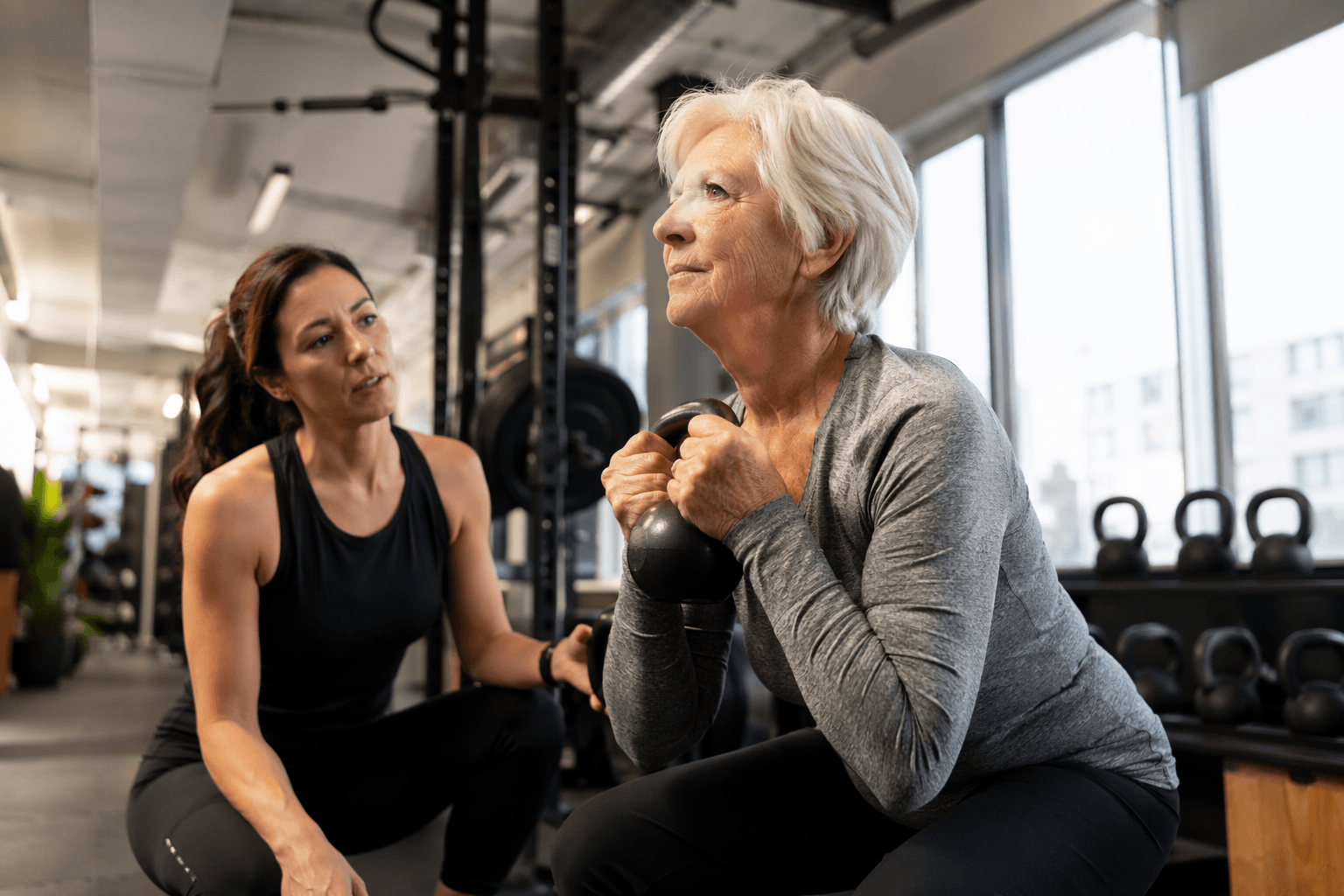
Sano Center is treating active longevity as a repeatable business, not a marketing slogan. The chain of boutique, small-group training centers is building around a customer who wants to stay mobile, healthy and functionally strong, and it is doing so with a model that leans on guidance rather than mass-market discounting. That matters in Barcelona because the city already rewards sharper segmentation, better coaching and a clearer health identity.
A model built for the silver customer
Sano Center now operates a network of about 80 establishments, and that footprint tells you the brand is past the experimental stage. Its pitch is not built on a giant gym floor or an endless class timetable; it is built on accompaniment, continuity and outcomes that speak to prevention as much as appearance. The functional and hybrid training categories are growing among the silver audience, and Sano Center has positioned itself right there, where older clients are looking for confidence, mobility and a reason to keep coming back.
The business numbers back up the strategic shift. 2Playbook reported 8.7 million euros in 2024 revenue, up 11% year over year, and said the chain was aiming to surpass 9 million euros with 80 gyms in 2025. A later note projected 15.5 million euros in 2025 and more than 16 million euros in 2026. That kind of ramp makes one thing clear: longevity positioning is not a branding garnish, it is part of a scaling plan.
Why Barcelona is fertile ground
Barcelona is exactly the kind of market where this model can work, because the city is crowded enough that generic fitness no longer cuts it. Spain was the third-largest fitness market in Europe in 2025, with 4,833 clubs, 6.2 million members and 2.56 billion euros in revenue. That is a big market, but it is also a mature one, which means growth comes from sharper audience targeting, not just adding more treadmills.
The demographic backdrop is just as important. Spain’s population aged 65 and older was about 21% in 2024, which makes active-longevity programming a mainstream business case rather than a niche bet. Barcelona adds another layer of opportunity, with nearly 460,000 foreign residents in 2025, representing 26.4% of the city’s population. That mix helps explain why segmented, health-oriented concepts keep finding room to grow: there is a broad base of midlife and older adults, plus a diverse urban population that tends to respond well to specialized service.
From silver active to a broader operating system
What is interesting about Sano Center is how methodical its growth path has been. Earlier coverage described a silver active and small-municipality strategy, aimed at democratizing small-group training and reaching publics and locations that are often underserved. The chain had already consolidated in Andalusia and Madrid, while studying expansion into Levante and northern Spain. That is not random sprawl. It is a map drawn around underserved demand and local service density.
The financing and rollout plans reinforce that discipline. 2Playbook said Sano Center was seeking family offices to support expansion, targeting more than 9 million euros in revenue with 80 gyms in 2025. It also reported at least a dozen openings in Spain that year. The strategic read is straightforward: this is a company using longevity to justify a wider network, not a niche studio trying to look bigger than it is.
For Barcelona operators, the lesson is not to copy the slogan. It is to copy the system. Active longevity only becomes a durable business when the offer is easy to understand, easy to trust and easy to repeat. That means small-group strength work, mobility sessions and supervised training that can be delivered consistently by coaches who know how to adapt load, pace and movement for older bodies.
- Build rooms that feel coached, not crowded.
- Price for continuity and guidance, not volume-driven discounting.
- Train staff to talk about function, balance and progression, not only aesthetics.
- Track retention through visible improvements in movement and confidence, not just attendance counts.
The competitive response is already here
Barcelona is not waiting for the trend to mature. Heltia opened its third Barcelona center on June 5, 2025, on Via Augusta in Sarrià-Sant Gervasi, in a 180-square-meter space, and said it planned to reach 20 centers in five years. That is a strong signal that the local market already sees room for more targeted, health-led training formats.
Zenergie Body & Soul points in the same direction. The boutique concept, backed by the owners of Énergie Fitness España, is explicitly focused on longevity for people over 35 and is preparing to debut in Barcelona. Taken together, these moves show that longevity is no longer a side category. It is becoming one of the clearest ways to differentiate a fitness brand in a saturated city.
What the infrastructure really needs to look like
The physical setup matters more than operators sometimes admit. A longevity-focused studio does not need to be huge, but it does need to be organized around supervision, movement quality and repeatable coaching touchpoints. Heltia’s 180-square-meter Barcelona site is a useful reminder that compact formats can still feel premium if the programming is tight and the service is personal.
The staff profile matters just as much. If the audience is older adults and midlife clients, then the coach has to be part trainer, part guide and part translator of health goals into simple training habits. That is where Sano Center’s emphasis on accompaniment becomes commercially relevant. People do not stay because they were impressed by a machine lineup; they stay because they feel safe, seen and measurably better.
The retention tactic is equally practical. Longevity buyers usually do not want novelty every week. They want progress they can feel, and they want a place that makes training feel sustainable instead of punishing. That is why health outcomes, accountability and belonging are not soft extras in this segment, they are the product.
The broader signal is hard to miss. The World Health Organization’s physical-activity guidance includes older adults and stresses the health benefits and reduced risk tied to staying active at 65 and beyond. That lines up neatly with what Sano Center is building and what Barcelona’s market is starting to reward. The next growth wave is not about chasing the youngest client in the room. It is about building training businesses that keep older adults moving, and keep them paying, for years.
This article was produced by Prism’s automated news system from verified source data, official records, and press releases, then run through automated quality and moderation checks before publishing. The system is built and supervised by the people who set the standards it runs under. Read our full AI policy.
Know something we missed? Have a correction or additional information?
Submit a Tip