VivaGym to acquire Synergym, creating Spain's largest gym operator
VivaGym's Synergym buy will lift the pair above 450 clubs and could tighten Barcelona's low-cost gym market as scale reshapes pricing and choice.
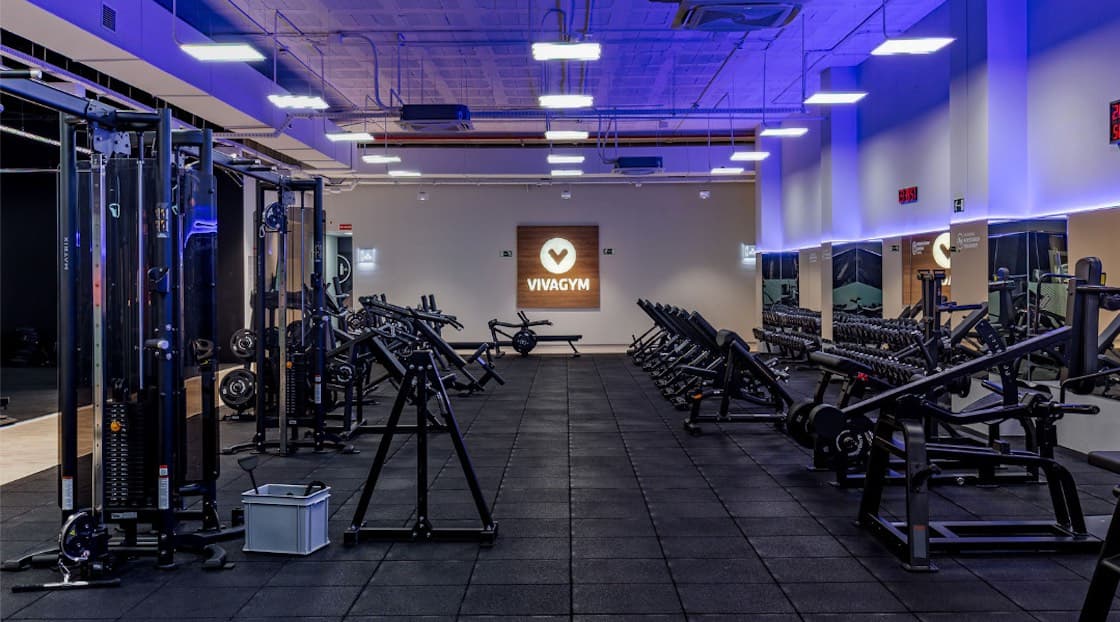
VivaGym has signed a binding agreement to buy Synergym, a deal that will push the combined business beyond 450 gyms across Spain and Portugal and make it the largest operator in the Spanish market by number of centers. The transaction, announced on April 27, still needs regulatory approval and customary closing conditions, but the strategic signal is already clear: in Iberian fitness, size is becoming a competitive asset as much as a financial one.
The clearest local consequence is in Barcelona, where low-cost chains, boutique studios and hybrid operators already compete for the same urban customers, the same storefronts and often the same neighborhood traffic. Even if the deal does not immediately change a specific Barcelona club sign, a larger VivaGym-Synergym platform could matter on rent negotiations, staffing, marketing budgets and member acquisition. In a city where club density is high and consumer choice is broad, that sort of back-end scale can influence what members pay, how quickly new formats arrive and which independents can keep up.
The combination also marks the first major strategic move under Cristina Burzako, who has just taken the helm at VivaGym. VivaGym, founded in 2010 and backed by Providence Equity Partners, has built its footprint through both organic expansion and acquisitions, adding Fitness Hut, Duet Fit, Happy Gym, Smartfit, Macrofit and Altafit along the way. Synergym, founded in 2013, took a different path and grew exclusively through new openings, which helps explain why the two Málaga-rooted rivals are being framed as complementary businesses rather than simple duplicates.

That contrast matters for the market. Synergym had recently lined up €70 million in syndicated financing and set a target of 200 clubs in Spain by the end of 2026, showing how aggressively the chain had planned to keep expanding before the sale. All Seas Capital is exiting its investment as part of the deal, while Providence says the larger platform will be better positioned to invest in innovation, improve the member experience and drive long-term value. For Barcelona operators, the message is blunt: the low-cost segment is no longer only about cheaper memberships. It is about route density, operational discipline and the ability to spread costs across a wider network.
That shift could sharpen competition across the city. Bigger players can bundle back-office functions, move faster on product rollout and defend margins more effectively, leaving smaller gyms to differentiate through coaching, boutique experiences, neighborhood convenience or premium services. In Barcelona, where every square meter counts, the VivaGym-Synergym combination raises the bar for what a winning gym model now looks like.
This article was produced by Prism’s automated news system from verified source data, official records, and press releases, then run through automated quality and moderation checks before publishing. The system is built and supervised by the people who set the standards it runs under. Read our full AI policy.
Did this article answer your question?