Wellbeinn tops 3 million euros as Spain’s recovery market expands
Wellbeinn says it passed 3 million euros in net sales in four months, with recurring purchases up 30%, underscoring Spain’s shift toward recovery-led wellness.

Wellbeinn has crossed a threshold that says as much about Spain’s fitness economy as it does about one startup’s momentum. The home recovery brand says it generated more than 3 million euros in net sales from January through April 2026, while recurring purchases rose 30% in the same period. That is the kind of pace that turns a niche wellness name into a signal: consumers are buying recovery, not just workouts.
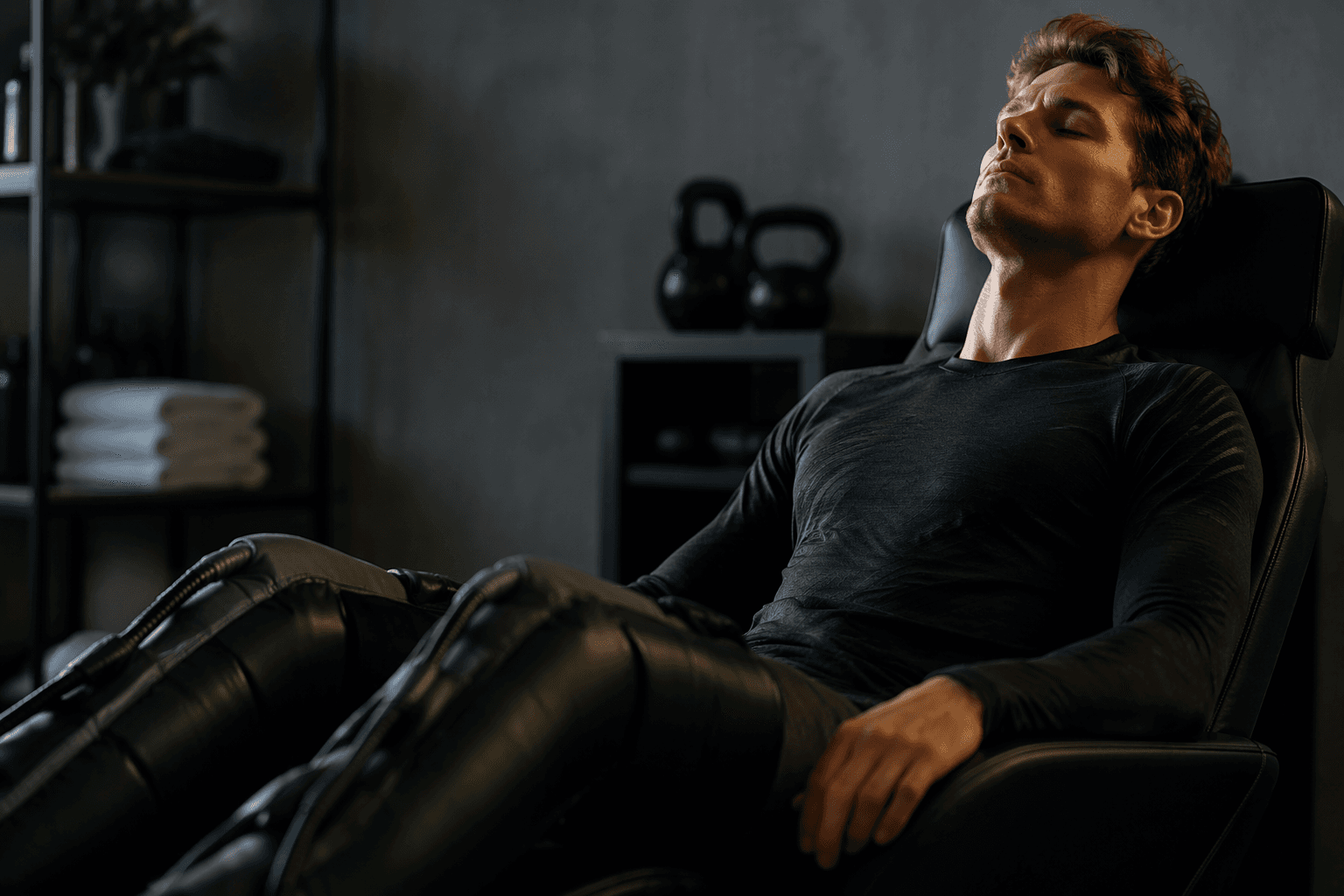
The company has built that growth around pressotherapy, or compression therapy, for home use. Wellbeinn says its flagship device uses six air chambers and adjustable pressure up to 260 mmHg, and the brand positions the system as a way to drain, reduce inflammation and ease heavy legs. Its product range now extends beyond compression into red-light therapy, electrostimulation, percussive massage and cold plunge tools, with the company also promoting a three-year warranty and physiotherapist support. Wellbeinn says it ships from Spain and offers financing, which helps explain how it is packaging premium recovery gear as a consumer purchase rather than a clinic-only service.
The founders’ backgrounds are part of the pitch. Carlos Martínez is identified by Wellbeinn as a cofounder and 3x3 world champion, while Miguel Ortín is the company’s CEO and a former physiotherapist at the Chinese Olympic Committee. That mix of elite sport credibility and medical recovery experience gives the brand a different weight from the usual wellness startup built around influencer marketing and soft branding. In a market where buyers want results, not just wellness language, that matters.
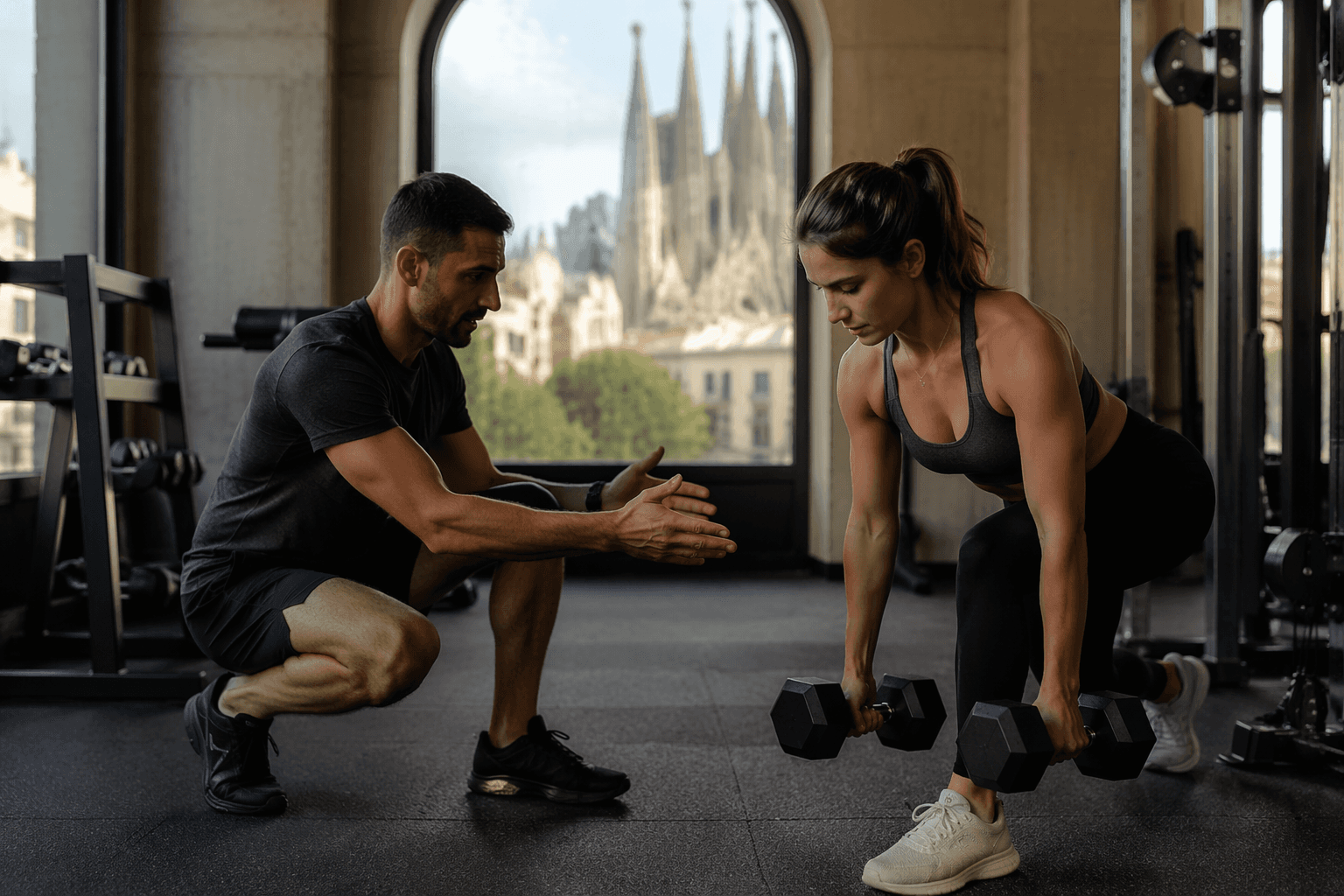
Barcelona operators should read the numbers as more than a product story. Wellbeinn’s growth points to a broader shift in Spain, where wellness is moving beyond single-location gyms and studio classes into recovery, preventive health and corporate wellbeing. That creates openings for partnerships with recovery brands, but it also raises the bar for local businesses still selling only memberships and training sessions. If the consumer now expects coaching, recovery tools and health positioning in one package, a pure training model starts to look incomplete.
The company’s wider identity also leans into that broader market. Wellbeinn says it is focused on longevity, wellness and health, and a 2025 report linked the brand to Wellbeinn Robotics, which developed an exoskeleton for people with reduced mobility. Taken together, the business looks less like a gadget seller and more like a health-tech platform trying to own the space between sport, recovery and preventive care. That is where Spain’s next wellness competition is heading.
This article was produced by Prism’s automated news system from verified source data, official records, and press releases, then run through automated quality and moderation checks before publishing. The system is built and supervised by the people who set the standards it runs under. Read our full AI policy.
Know something we missed? Have a correction or additional information?
Submit a Tip