Acelen secures $1.5 billion for Brazil SAF biorefinery project
Acelen locked in $1.5 billion to build a 264.17 million-gallon SAF and renewable diesel complex in Bahia, backed by HSBC, IFC and BNDES.

Acelen on May 21 secured $1.5 billion to build a 1 billion-liter, or about 264.17 million-gallon, biorefinery in Bahia, a financing package that places Brazil squarely in the race to supply large-scale sustainable aviation fuel and renewable diesel. The project is slated for São Francisco do Conde, in the Mataripe industrial area, and is expected to start operations in 2029.
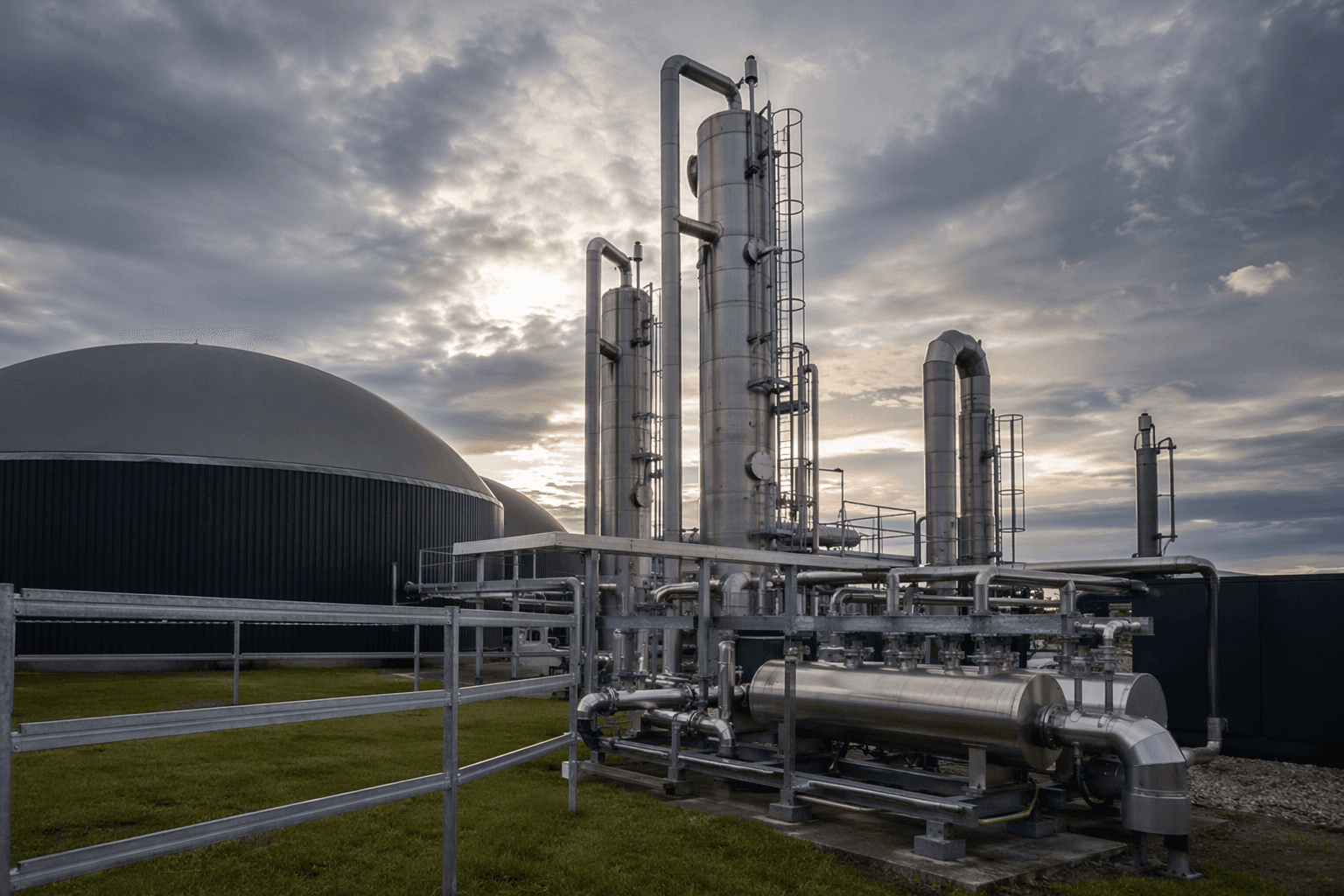
The facility will be built as a 20,000 barrels-per-day greenfield biorefinery in a brownfield industrial site, according to IFC project disclosure. It will use hydroprocessed esters and fatty acids technology to make SAF and renewable diesel from vegetable oils and used cooking oil, a mix that gives Acelen flexibility on feedstock sourcing while keeping the plant tied to established refining infrastructure.

The financing consortium spans HSBC and the International Finance Corporation, alongside 10 institutions including FAB, ADCB, IDB Invest, BNDES, AIIB, FinDev Canada, KfW IPEX-Bank, Bradesco, BBVA and Bank of China. BNDES separately approved R$503.04 million for Acelen Industrial S.A. on the same day for the Bahia biorefinery, underscoring how the project is being treated as infrastructure, not just a corporate fuel bet.
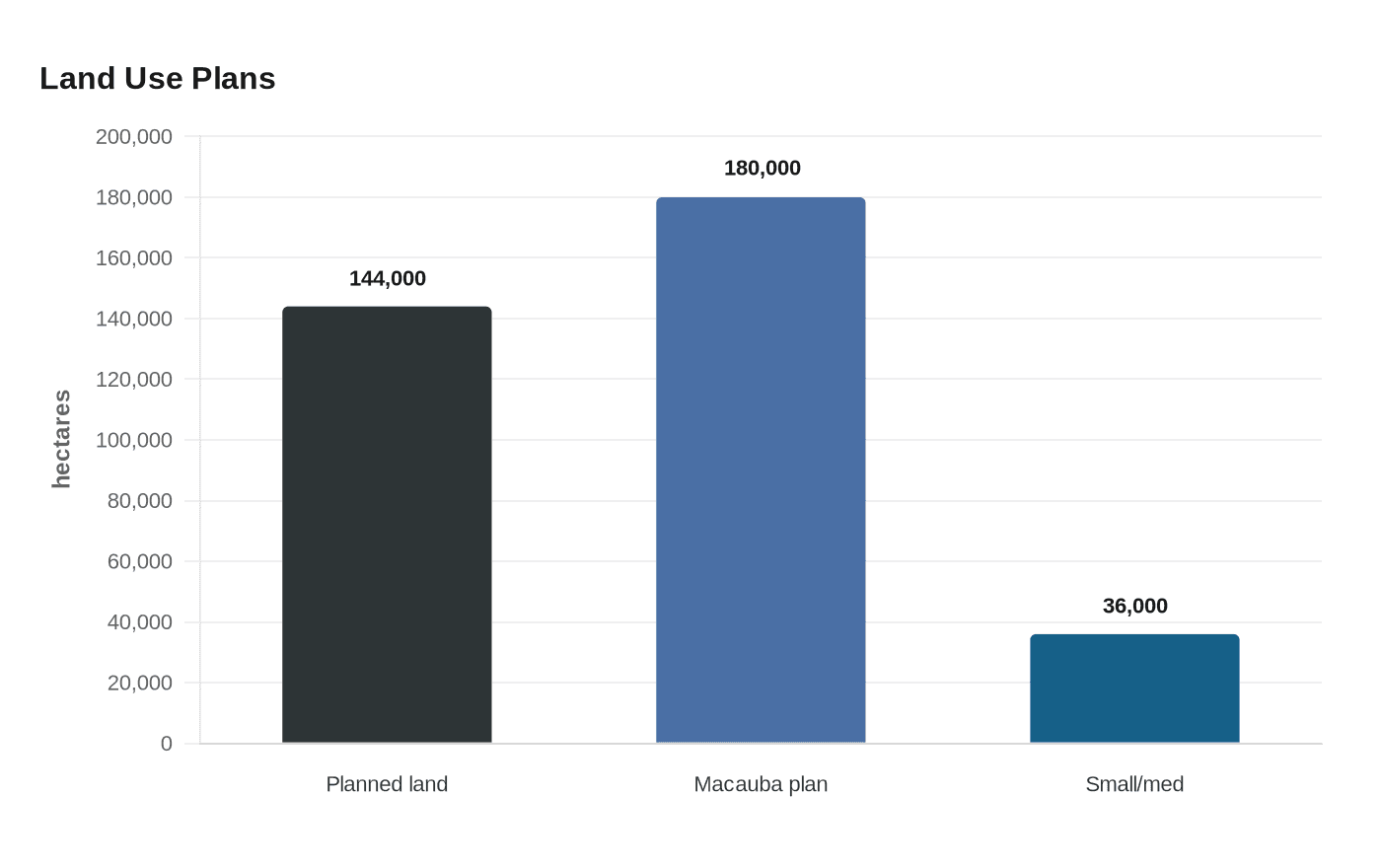
Feedstock strategy is central to the model. Acelen said the plant will process soybean oil, used cooking oil and macauba, a native Brazilian palm, as it builds out a domestic supply chain for low-carbon fuels. The company has said it plans to cultivate 144,000 hectares of degraded land, with 20% of that area linked to partnerships with family farms and smaller producers. In earlier materials with Embrapa, Acelen framed a broader macauba program covering 180,000 hectares of degraded pasture, with 36,000 hectares reserved for small and medium-sized producers. Embrapa said that longer-term plan could generate 90,000 direct and indirect jobs and R$7.4 billion in annual income for participating communities.
The project lands in a policy environment that has become more supportive of aviation decarbonization. Brazil’s Fuel of the Future law, enacted on October 8, 2024, created the National Program for Sustainable Aviation Fuels, known as ProBioQAV, and IATA has called the law a major lever for aviation to reach net zero CO2 emissions by 2050. Acelen has also spent the past year building its industrial platform, opening the Acelen Agripark technology center in Montes Claros, Minas Gerais, in August 2025 with BNDES financing.
Acelen said Honeywell UOP, Alfa Laval and Construcap are project partners, while Trafigura, Moeve, Bunge and BGN have commercial agreements tied to the project. With finance, technology, land use and offtake all moving in parallel, Brazil is setting up a serious export-oriented renewable fuels platform.
This article was produced by Prism’s automated news system from verified source data, official records, and press releases, then run through automated quality and moderation checks before publishing. The system is built and supervised by the people who set the standards it runs under. Read our full AI policy.
Did this article answer your question?