ADM completes first global B100 biofuel trial voyage in Brazil
ADM burned 107.39 tonnes of B100 on the Harvest Rain during a five-day Brazil trial, but did not publish emissions-comparison data.
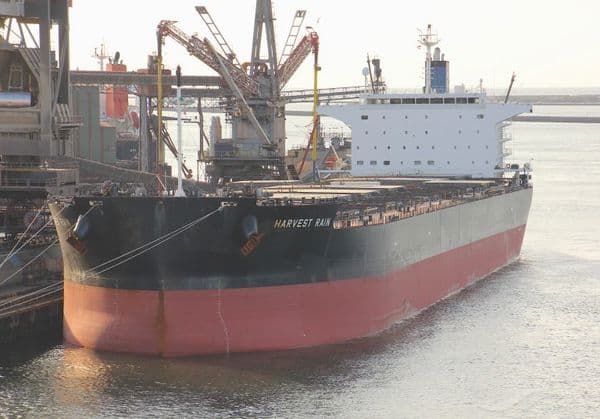
ADM on June 2-6 completed its first global B100 biofuel trial voyage aboard the Harvest Rain, consuming 107.39 tonnes of biobfuel in a five-day run off the Brazilian coast. The test showed the fuel could move through storage, purification, engine operation and bunkering in real-world conditions, but ADM did not disclose a direct emissions-comparison figure for the voyage.
The company said the run was notable because ADM acted as exporter, charterer, owner, receiver and processor at the same time, effectively knitting the full supply chain around one vessel. That matters for scaling marine biofuels, since B100 adoption depends on more than combustion performance alone: shipping lines need consistent fuel availability, handling systems that work at sea, and engine operations that can hold up over longer routes without disrupting schedules or cargo flows.
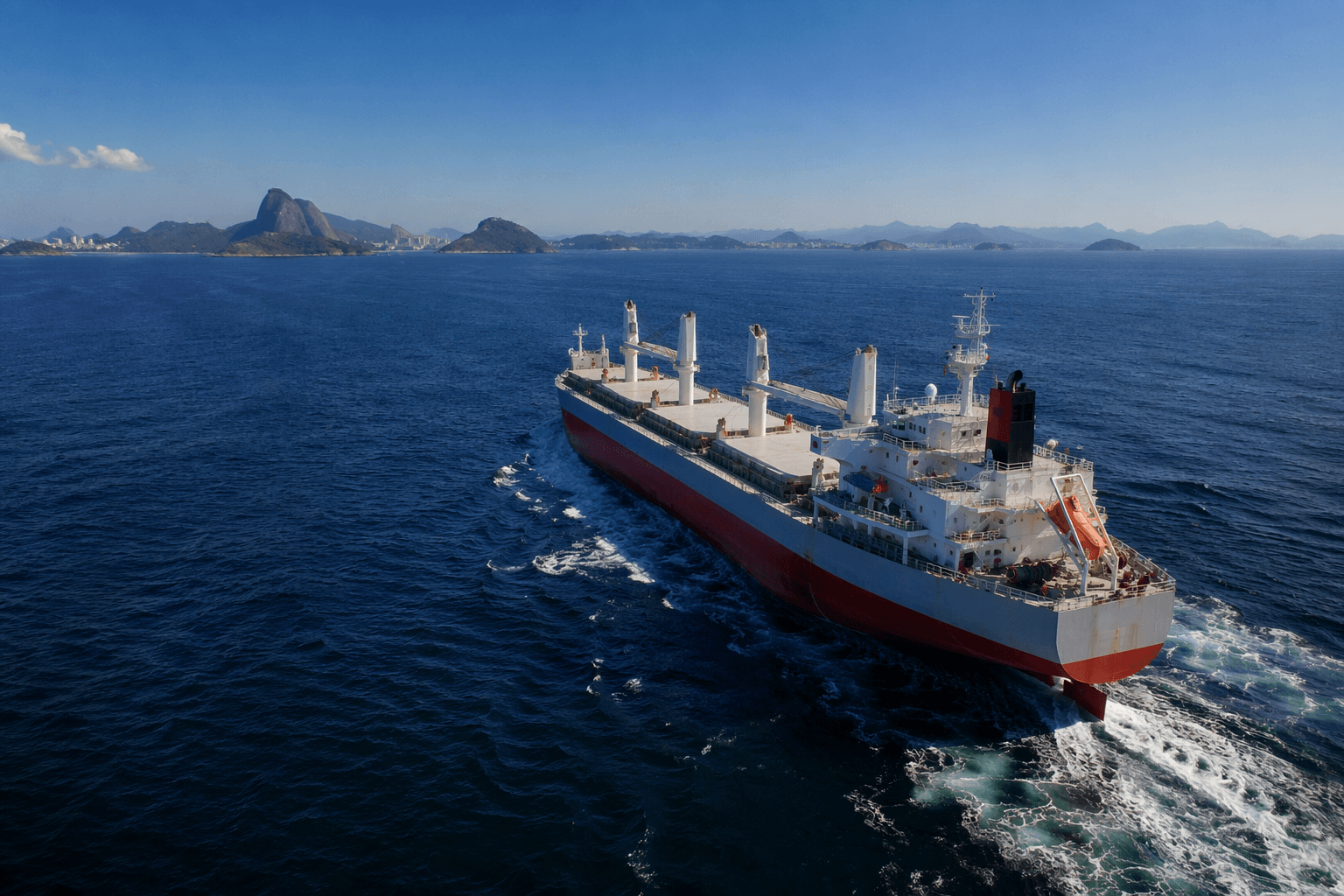
ADM’s global ocean freight director, Jonathan Canaan, said the trial showed biofuel is available now as a lower-carbon shipping solution without giving up competitiveness. Harvest Rain captain Swamy Singh Kohli said the vessel’s onboard energy felt different while running on sustainable fuel and said the crew’s commitment to maritime decarbonization was reinforced during the voyage.
The Harvest Rain trial landed in a Brazilian policy setting that is moving in the same direction. The USDA Foreign Agricultural Service said Brazil’s Fuel of the Future law is designed to decarbonize transport and integrate RenovaBio with other mobility decarbonization programs. The same USDA report said Brazil’s biodiesel blend mandate rose from B14 to B15, extending domestic demand for fatty acid methyl ester and other lower-carbon fuel streams even as the country builds a broader biofuels framework.
Brazil has also become a busy proving ground for marine biofuels. Recent demonstrations have included B100 testing on inland navigation and the first bioethanol bunkering for a container ship, adding to the country's role as a live test bed for low-carbon shipping fuels. ADM’s voyage on the Harvest Rain adds another data point, but the missing emissions ledger leaves the central question unchanged: whether B100 can move from a successful trial to a repeatable, costed fuel pathway for ocean freight.
This article was produced by Prism’s automated news system from verified source data, official records, and press releases, then run through automated quality and moderation checks before publishing. The system is built and supervised by the people who set the standards it runs under. Read our full AI policy.
Did this article answer your question?