Premium Plant Services meets urgent cleaning needs at ethanol plants
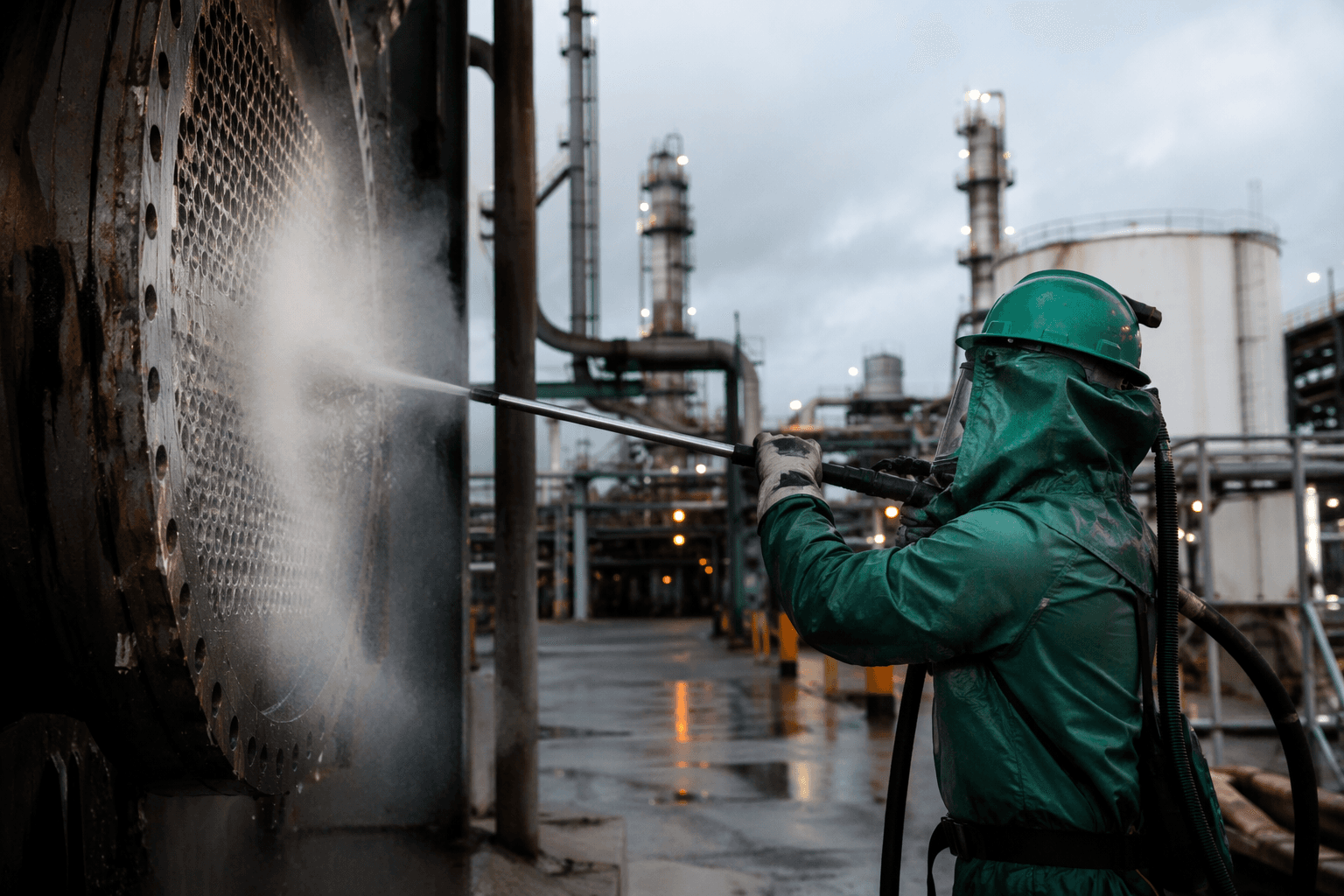
Emergency cleaning at ethanol plants now centers on uptime, with hydroblasting, dry ice blasting and vacuuming aimed at fouling that compounds over time.
Premium Plant Services, a 51-200 employee cleaning firm in Hibbing, Minnesota, is built around ethanol emergency maintenance. Ethanol Producer Magazine spotlighted the company on July 23.
On LinkedIn, the Hibbing, Minnesota company is listed as a facilities services firm with 306 followers. It started on hydroblasting in the Upper Midwest and now offers dry ice blasting and vacuuming across the United States. Its work is aimed at ethanol and biofuel plants where dust, heat, moisture and sticky byproducts build up through fermentation, distillation, drying and storage.
Why the cleanup window gets so tight
The maintenance burden starts with residue, not aesthetics. Those byproducts accumulate and compound over time, turning a routine washdown into a plant upset that spills into production. Fermenters and evaporators get the most attention in ethanol plants, but pipes, pumps and ductwork cannot be neglected, and proper cleaning of fermenters after each batch is one of the first defenses against yield-robbing bacterial infections.
Bacterial issues in fuel ethanol plants can bring higher chemical costs and eventually revenue loss, which is why clean-in-place programs are common practice.
- Fermenters need attention after each batch drop, because bacterial contamination can spread fast.
- Evaporators need regular cleaning because fouling cuts heat transfer and raises steam pressure.
- Pipes, pumps and ductwork are easy to overlook, but they belong in the maintenance plan.
- Economizers and dust collection points can collect corn dust that responds well to dry ice cleaning, especially where water is a problem.
What the case studies put on the line
In Buckman’s case study on an ICM 115 MMgy ethanol plant, heavy mineral fouling in evaporators pushed steam pressures higher, blocked production increases and forced frequent CIPs and bi-annual hydroblasting. Sulfuric acid use raised chemical and maintenance costs and increased employee exposure, while the fouling reduction work saved the plant $400,000 a year.
Cold Jet’s New Age Cryo case study found that cleaning stack economizers every six months saved ethanol producers $100,000 per plant in natural gas, after dry ice cleaning removed corn dust from economizers without the complications of water.
One large Midwest producer in Veolia’s ethanol case studies identified the evaporation step from fermented beer mash as a fouling risk that could severely affect operations, while another Veolia project used analytics to reduce evaporator CIP frequency and improve efficiency. A separate Veolia case study found that productivity gains eliminated bi-annual hydroblasting, taking two planned major cleanings a year off the maintenance schedule.
Where Premium Plant Services fits
Premium Plant Services began as a hydroblasting service in the Upper Midwest, then expanded into complete industrial cleaning, including dry ice blasting and vacuuming, across the United States. Ethanol plants rarely face one contaminant alone; they face mineral scale, corn dust, sticky residues and wet surfaces in the same unit operations.
Hydroblasting remains the blunt-force option when scale or stubborn fouling needs high-pressure removal. Dry ice blasting fits drier, more contamination-sensitive areas because it avoids water complications. Vacuuming fills the gap after the heavy cleaning is done, especially in dust-prone areas around storage, conveying and dry milling interfaces.
Fermentation, distillation, drying and storage expose plants to dust, heat, moisture and sticky byproducts.
This article was produced by Prism’s automated news system from verified source data, official records, and press releases, then run through automated quality and moderation checks before publishing. The system is built and supervised by the people who set the standards it runs under. Read our full AI policy.
Did this article answer your question?