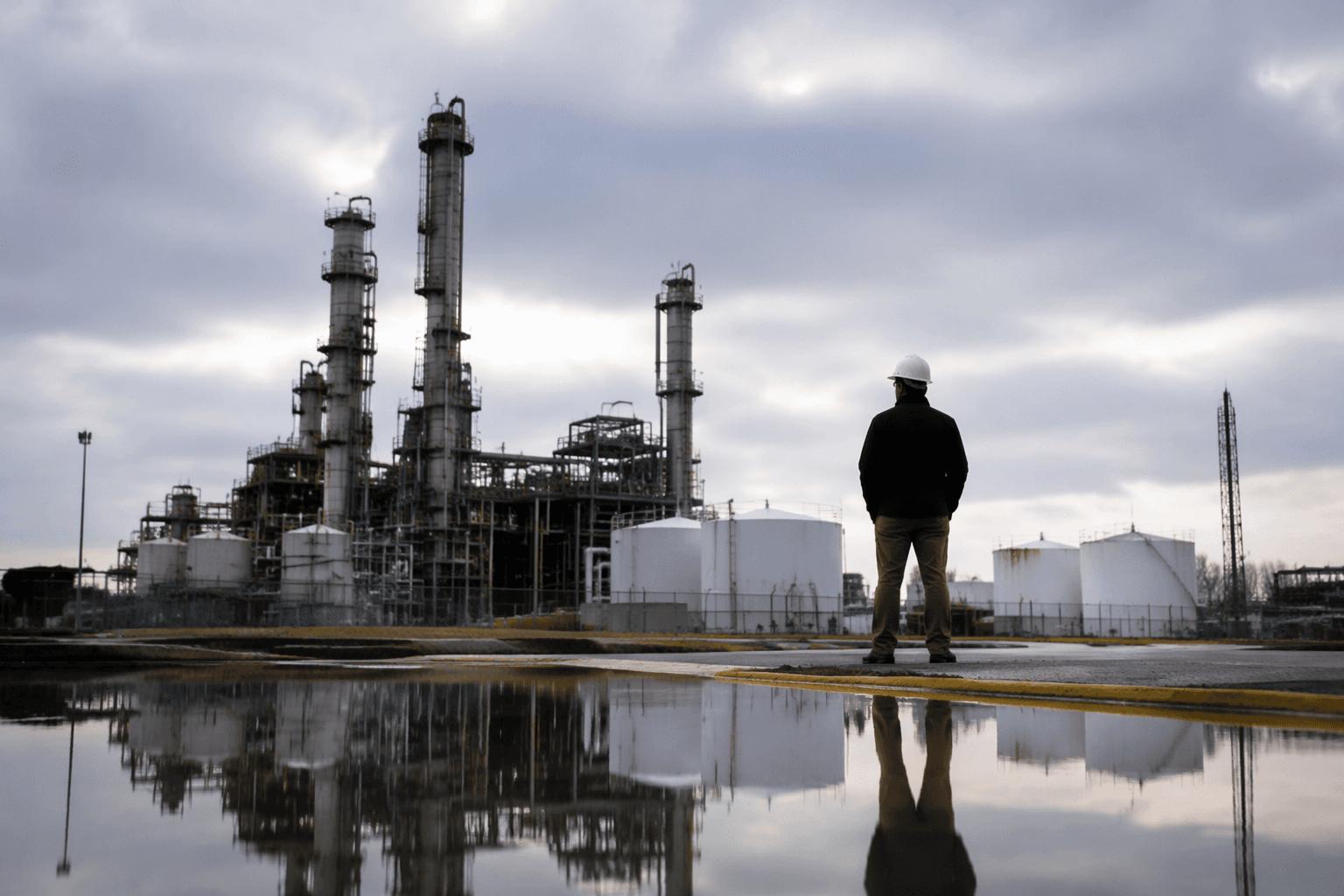
Marathon biofuel refinery workers warn understaffing and fatigue risk disaster
Workers at Marathon Petroleum’s Martinez biofuels refinery said overtime left them “basically intoxicated” from sleep loss, and warned a disaster was only a matter of time.
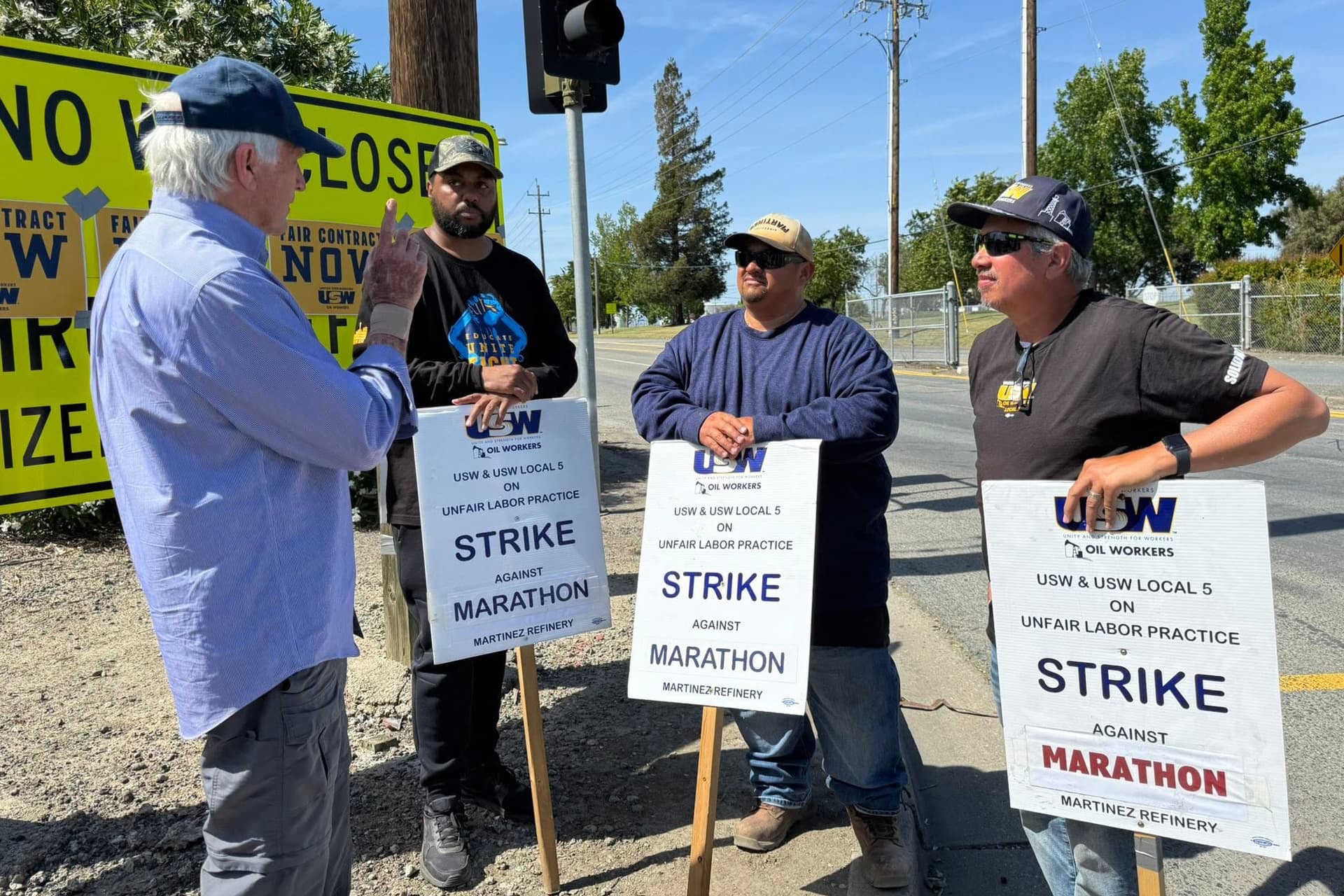
Inside Climate News on July 23 reported Marathon Petroleum workers at its Martinez biofuels refinery said chronic understaffing and extreme overtime were leaving them dangerously fatigued. The workers warned that the fatigue was raising the odds of an accident that could reach both employees and the surrounding community.
United Steelworkers representatives said workers were walking around “basically intoxicated” because they had been sleep deprived from so much overtime. Joshua Shaffer wrote in a June 2026 Facebook post that workers had made an unconditional return-to-work offer and that “The company rejected it,” a sign the labor fight had already hardened around staffing and safety.
The concerns landed against the backdrop of a catastrophic fire at another Bay Area renewable fuels refinery, which made process-safety questions at Martinez more acute. The refinery sits in a region where refinery operations have long drawn scrutiny over air quality, emergency response and worker exposure, and the new warnings centered on whether Marathon’s staffing levels could keep pace with those risks.
The broader biofuels market has also been under pressure. The U.S. Energy Information Administration said U.S. biofuels production capacity increased 3% in 2024 after rising 7% in 2023. In a separate series, the agency said U.S. renewable diesel and biodiesel production declined in the first quarter of 2025, underscoring that plants are operating in a tighter market even as they handle the same kind of high-hazard equipment and feedstock systems found in conventional refining.
The Bay Area has already been a flashpoint for refinery economics and public health. UC Berkeley Labor Center research has examined the economic and employment effects of a refinery closure in the region, while a systematic evidence map and scoping review hosted in PubMed Central has compiled health effects linked to living near petroleum and biofuel refineries. Martinez now sits squarely inside that debate, with workers saying fatigue and short staffing are not just a labor issue but a process-safety one.
This article was produced by Prism’s automated news system from verified source data, official records, and press releases, then run through automated quality and moderation checks before publishing. The system is built and supervised by the people who set the standards it runs under. Read our full AI policy.
Did this article answer your question?