Agastya Green Fuels signs major green methanol deal with Sri Lanka
Agastya locked in 250,000 tonnes a year of green methanol for Sri Lanka, giving a quarter of its planned 1 million-tonne plant a named buyer.
Agastya Green Fuels Private Limited has signed a long-term offtake agreement with SAR Maritime Agencies for 250,000 metric tons a year of EU RED III-compliant green methanol, a deal that gives the planned Mulapeta Port project a buyer for a quarter of its expected output before the plant is built. The agreement matters because it turns a production plan into contracted demand, a step that can carry more weight with lenders and ship fuel buyers than another standalone capacity announcement.
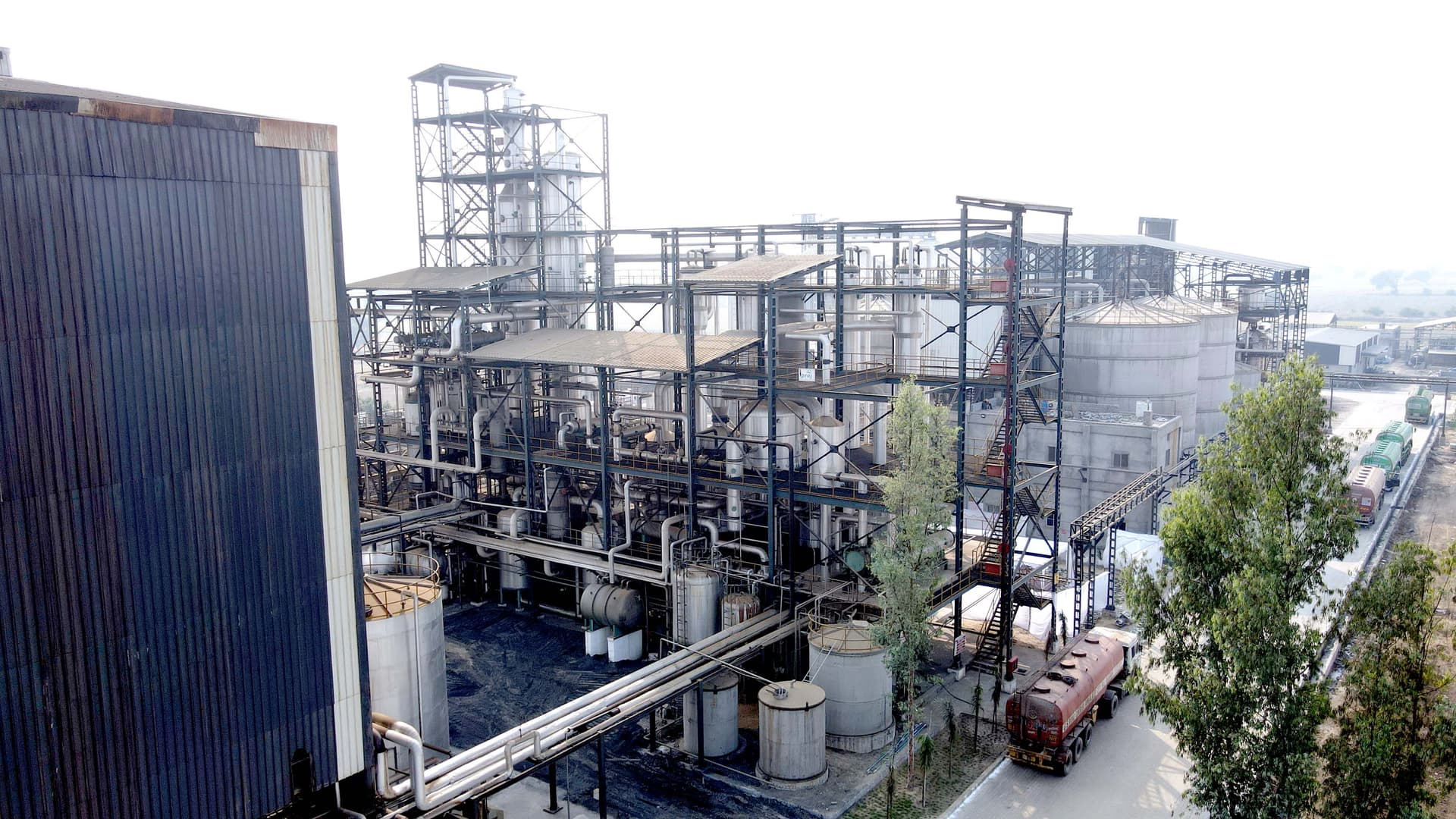
The fuel will come from Agastya Green Fuels Hub at Mulapeta Port in Andhra Pradesh, where Agastya is developing a 1 million tonne-per-year export-oriented green methanol facility. The company has said the project carries a planned investment of about $6 billion over the next six years, or more than 54,000 crore, placing it among the region’s largest green fuel projects. Agastya said the methanol is RFNBO-compliant and designed for the European market’s renewable-fuel rules.

Agastya and SAR said they will also work on storage, bunkering and marine fuel infrastructure in Sri Lanka, with Colombo, Hambantota and Trincomalee identified as future clean-fuel hubs for global shipping. That makes the agreement more than a simple supply contract: it points to a wider maritime fuel network across the Indian Ocean, where ship operators are under growing pressure to secure lower-carbon fuel options with clearer compliance value.
For Agastya, the timing lines up with tightening European rules. FuelEU Maritime entered into force on January 1, 2025 and is intended to promote renewable, low-carbon fuels and clean-energy technologies for ships. Bureau Veritas has also said RED III now includes maritime targets for the first time, which raises the strategic value of compliant fuels such as green methanol for vessel operators looking beyond conventional bunker demand.
Agastya described the partnership as one of the largest green methanol supply deals in the Indian Ocean region, and the structure of the contract underlines why. Maritime fuel markets have often lacked firm demand signals, but a long-term offtake from a bunker supplier creates a clearer commercial path from plant to vessel. If the Mulapeta project reaches scale, the Sri Lanka link could become an early template for South Asia and the Indian Ocean as an adoption zone for bankable green methanol demand.
This article was produced by Prism’s automated news system from verified source data, official records, and press releases, then run through automated quality and moderation checks before publishing. The system is built and supervised by the people who set the standards it runs under. Read our full AI policy.
Did this article answer your question?