Andersons’ full ethanol ownership could boost cash flow and margins
Andersons’ $425 million buyout of Marathon’s 49.9% stake puts 405 million gallons of ethanol capacity under one roof. The move should lift cash flow, margins and carbon-intensity flexibility.
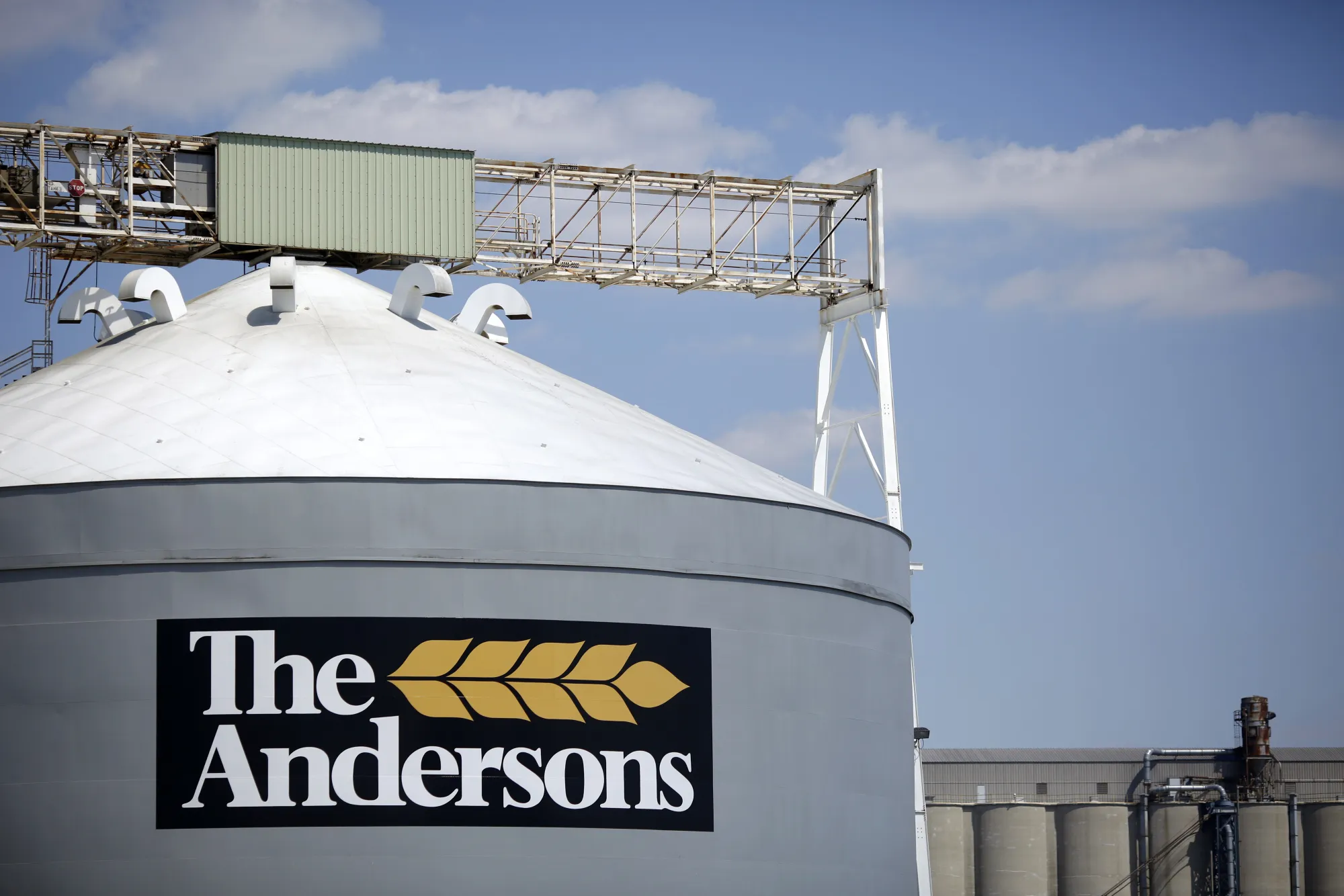
The Andersons on July 31, 2025 bought Marathon Petroleum’s remaining 49.9% stake in The Andersons Marathon Holdings LLC for $425 million. The buyout put four ethanol plants in Iowa, Indiana, Michigan and Ohio under full control at a combined 405 million gallons of nameplate capacity. It also lets Maumee, Ohio-based Andersons capture all of the cash flow, tax-credit economics and margin upside from a business it had only half-owned.
Full ownership changes the ethanol math
Before the deal, The Andersons owned 50.1% of TAMH and MPC Investments, LLC, Marathon Petroleum Corp.’s holding company, owned the rest. That structure split profits, capital decisions and downside exposure across two balance sheets. After the closing, Andersons owns 100% of the joint venture and can book the full operating benefit from the four plants without sharing the return.
The acquisition included $40 million of working capital, bringing the purchase price to a net $385 million, and The Andersons funded the transaction with cash on hand and debt from existing credit facilities. Bill Krueger, president and chief executive, said, “This transaction doubles our financial ownership in the ethanol industry.” He said the deal was aligned with a disciplined capital deployment strategy and should be immediately accretive to earnings per share.
Andersons no longer has to split the economics of throughput, plant optimization, policy support or future expansion with a partner, which gives it more room to direct capital toward the highest-return assets.
A 405 million gallon platform that has run above nameplate
Andersons’ 2024 annual report says the TAMH plants have historically outperformed nameplate capacity.
If a plant system regularly runs above stated capacity, the owner that controls the whole asset keeps the full benefit of higher utilization, stronger spreads and any incremental operating gains. With the entire TAMH portfolio now consolidated, Andersons can move faster on plant-wide decisions that affect output, margin and maintenance timing.
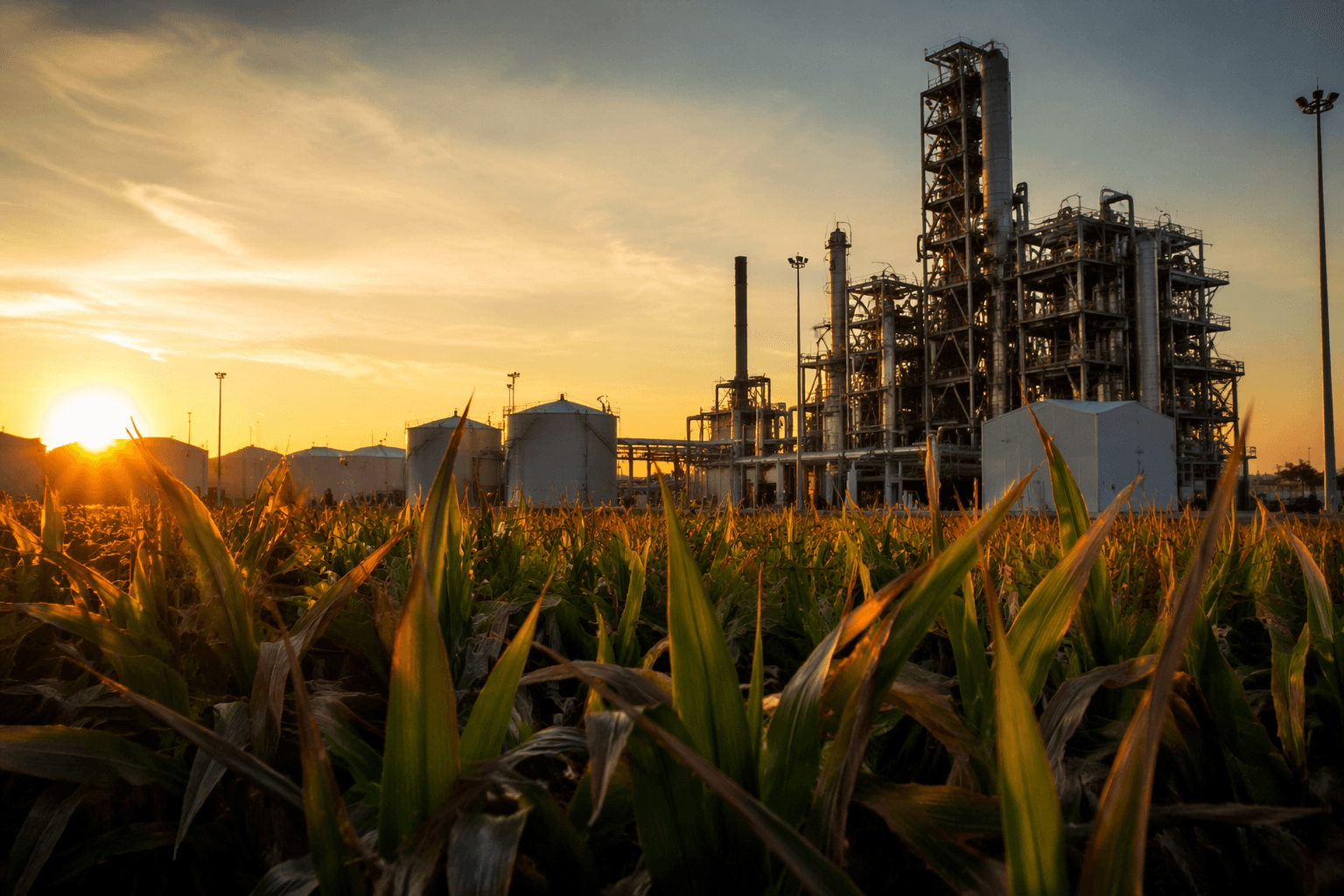
The structure also removes a layer of friction around capital allocation. Under a 50.1% ownership split, a partner has to agree on major spending, distribution policy and long-term upgrades. Under full ownership, Andersons decides whether cash goes to dividends, debt reduction, debottlenecking or new projects.
Why full control matters in a low-carbon ethanol market
Andersons continues to focus on lowering the carbon intensity of its ethanol plants. In a market where regulatory support for renewable fuels and low-carbon intensity ethanol can shape realized margins, owning the full asset means Andersons keeps all of the upside from CI improvements, plant upgrades and any policy-linked credit economics.
In its February 17, 2026 fourth-quarter and full-year results, Andersons tied recent investments in both businesses, including full ownership of the ethanol plants, to quarterly performance. Its Renewables business posted record production in the fourth quarter of 2025 and benefited from biofuels policy.
Clymers shows where the capital can go next
Andersons disclosed a separate $60 million investment to increase capacity at its Clymers, Indiana ethanol production facility. It is pursuing additional growth projects, including further steps to lower the carbon intensity of its ethanol plants.
Full ownership of TAMH gives Andersons more freedom to pair ownership consolidation with physical expansion, process improvements and acquisition opportunities. If the company can raise capacity at Clymers while improving carbon performance across the portfolio, it gets a cleaner path to future earnings growth and net margin expansion.
This article was produced by Prism’s automated news system from verified source data, official records, and press releases, then run through automated quality and moderation checks before publishing. The system is built and supervised by the people who set the standards it runs under. Read our full AI policy.
Did this article answer your question?