ASTM, CSA Group to develop biomass supply chain risk standard
ASTM and CSA Group moved to build a biomass supply chain risk standard, with public review due in fall 2026 and publication targeted for early 2027.
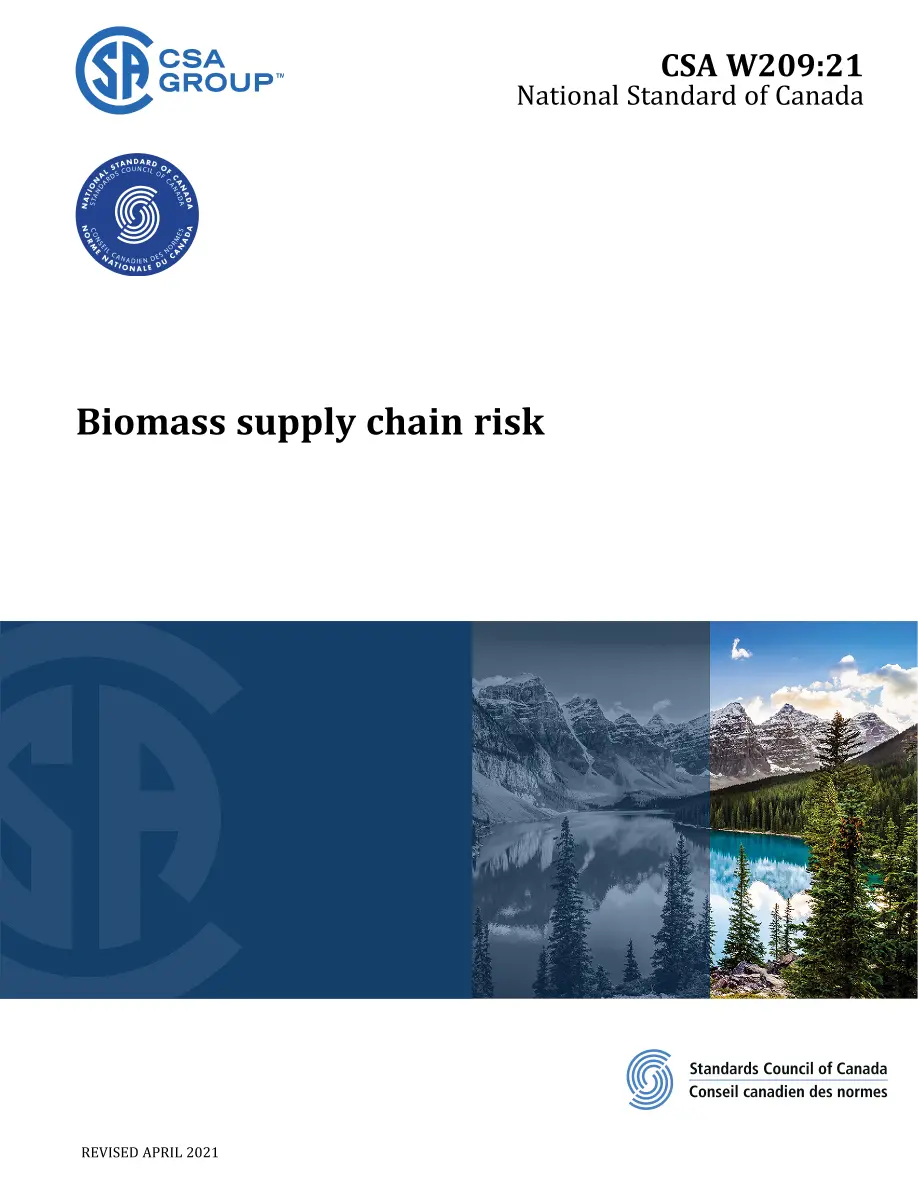
ASTM International and CSA Group on May 20 signed an agreement to develop a joint biomass supply chain risk standard, a move that could tighten how biodiesel, renewable diesel and SAF buyers screen feedstock sourcing. The standard is set for public review in fall 2026 and publication in early 2027, with a second phase planned to build a biomass risk rating framework.
The effort lands as producers, lenders and fuel buyers are being asked to prove where feedstocks came from, how they were handled and whether sourcing can withstand scrutiny from regulators and sustainability auditors. ASTM said the new standard is the first phase of a two-phase process, while CSA Group said the work is meant to support project developers, biomass manufacturers, investors, lenders and other market participants involved in planning, development and financing.
CSA’s existing W209 standard, which was published as a National Standard of Canada, already covers supplier risk, competitor risk, supply chain risk, feedstock quality risk, feedstock scale-up risk and internal organizational risk. Its scope runs from harvest point to plant gate. The Standards Council of Canada said the update is intended to align the standard with industry best practices and to publish it jointly with ASTM to broaden reach and use across jurisdictions.
ASTM said the joint work builds on CSA W209 and is designed to extend its use and impact across North America and internationally. CSA Group said the standard is also intended to help inform site selection, investment decisions and third-party assessments, a point that could matter for developers trying to compare used cooking oil, animal fats, crop oils, residues and other biomass inputs under one framework.
Ecostrat said the biomass supply chain risk standards were shaped by more than 150 industry stakeholders, including financial institutions, capital providers, operators, developers, feedstock producers, industry groups and academics. Ecostrat also said the work was funded in the United States by the U.S. Department of Energy Bioenergy Technologies Office and in Canada by Natural Resources Canada and Ecostrat, and that the standards formed the basis for CSA W209:21, published in the first quarter of 2021.
Ecostrat and the BDO Zone Initiative welcomed the ASTM-CSA collaboration as a milestone for North America’s bioeconomy, saying broader adoption of standardized biomass supply-chain and regional readiness assessments could help capital markets, governments and rural economic development organizations. If the new standard is widely adopted, it could make supplier screening more uniform for biogas, renewable diesel and SAF projects, while also setting a higher bar for documentation in cross-border biomass trade.
This article was produced by Prism’s automated news system from verified source data, official records, and press releases, then run through automated quality and moderation checks before publishing. The system is built and supervised by the people who set the standards it runs under. Read our full AI policy.
Did this article answer your question?