Bangchak launches Thailand's first commercial sustainable aviation fuel unit
Bangchak opened Thailand’s first commercial SAF unit at Phra Khanong, a 1 million-liter-a-day plant with its first export due May 19.
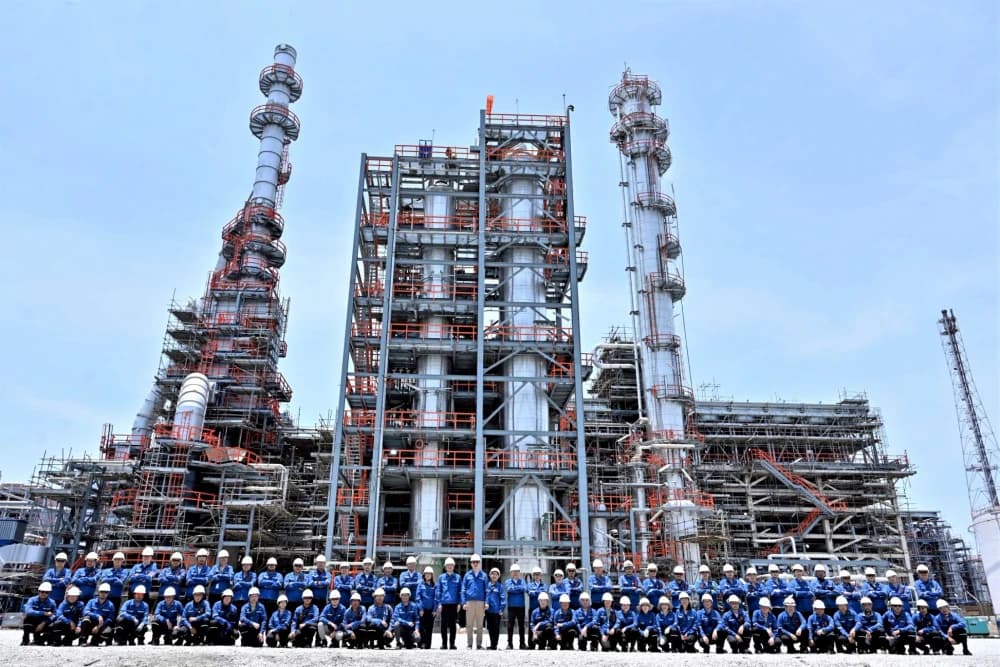
Bangchak on May 20 inaugurated Thailand’s first dedicated sustainable aviation fuel unit at the Bangchak Phra Khanong Refinery in Bangkok, marking the country’s move from SAF ambition into commercial production. The unit, operated by BSGF Company Limited, is designed to produce 100% neat SAF and is described by Bangchak as Thailand’s first fully integrated standalone HEFA-SPK SAF facility. Bangchak had previously said it invested more than THB 8.5 billion in the project, which is built for 1 million liters per day, or about 6,289 barrels per day.
The launch matters because it gives airlines and fuel buyers a physical supply point, not just a policy target. Bangchak has a dedicated SAF pipeline linking Phra Khanong to Suvarnabhumi Airport and Don Mueang International Airport, which gives the producer a direct route into Thailand’s main aviation hubs. Bangchak also said its sustainable-fuel supply chain has received ISCC EU and ISCC CORSIA certifications, a key requirement for commercial buyers that need traceable and internationally recognized volumes.

Bangchak’s first export to a global buyer was scheduled for May 19, 2026, underscoring that the project is aimed at international as well as domestic demand. That export angle is important for Southeast Asia, where airlines increasingly need certified SAF that can be documented, delivered and counted against decarbonization commitments. Once a refinery in the region can move from demonstration to steady output, the market changes: SAF becomes a tradable fuel stream, not a future concept.
Thailand is also building policy support around the launch. The Civil Aviation Authority of Thailand signed an MOU on Nov. 17, 2025 with Thai Airways International, Bangkok Airways, K-Mile Air, Nok Air, Thai AirAsia, Thai AirAsia X, Thai Lion Air and Thai VietJet to back CO2 emissions cuts from international aviation and prepare for the clean-energy transition. Thailand’s SAF rollout is also being shaped by a blend mandate that starts at 1% in 2026 and rises toward 8% by 2036.
For Bangchak, the unit extends a broader shift from renewable-energy player to future-energy company. For the regional market, it is a signal that Southeast Asia is no longer only talking about SAF capacity. It is beginning to build it, certify it and push it into airline supply chains.
This article was produced by Prism’s automated news system from verified source data, official records, and press releases, then run through automated quality and moderation checks before publishing. The system is built and supervised by the people who set the standards it runs under. Read our full AI policy.
Did this article answer your question?