Biodiesel approvals expand decarbonisation options for inland shipping
AGQM’s February 2026 list covers B7 to B100 for inland engines, widening biodiesel use on Europe’s Rhine and Danube fleet.
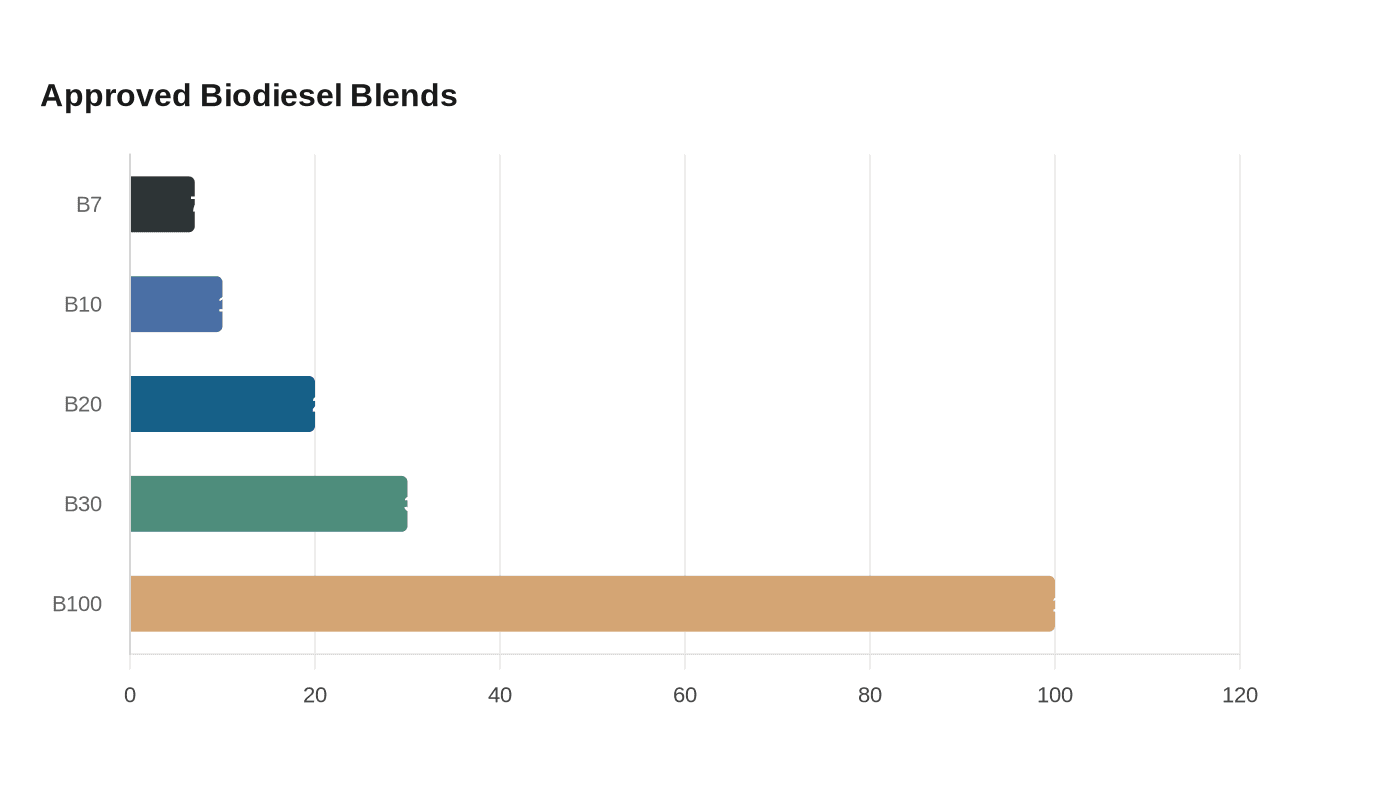
AGQM in February 2026 published an inland-navigation approvals list covering B7, B10, B20, B30 and B100. The list links manufacturer approvals to specific blends, giving operators a clearer route to use biodiesel in existing marine engines without guesswork over compatibility.
Germany’s 10th Federal Immission Control Ordinance, updated in 2024, already allows certain inland marine fuel grades to contain up to 100% biodiesel. AGQM’s publicly downloadable list is meant to turn that legal opening into practical procurement, especially for vessels trading on the Rhine and Danube, where fuel choice often depends on whether the engine maker has signed off on a given blend.
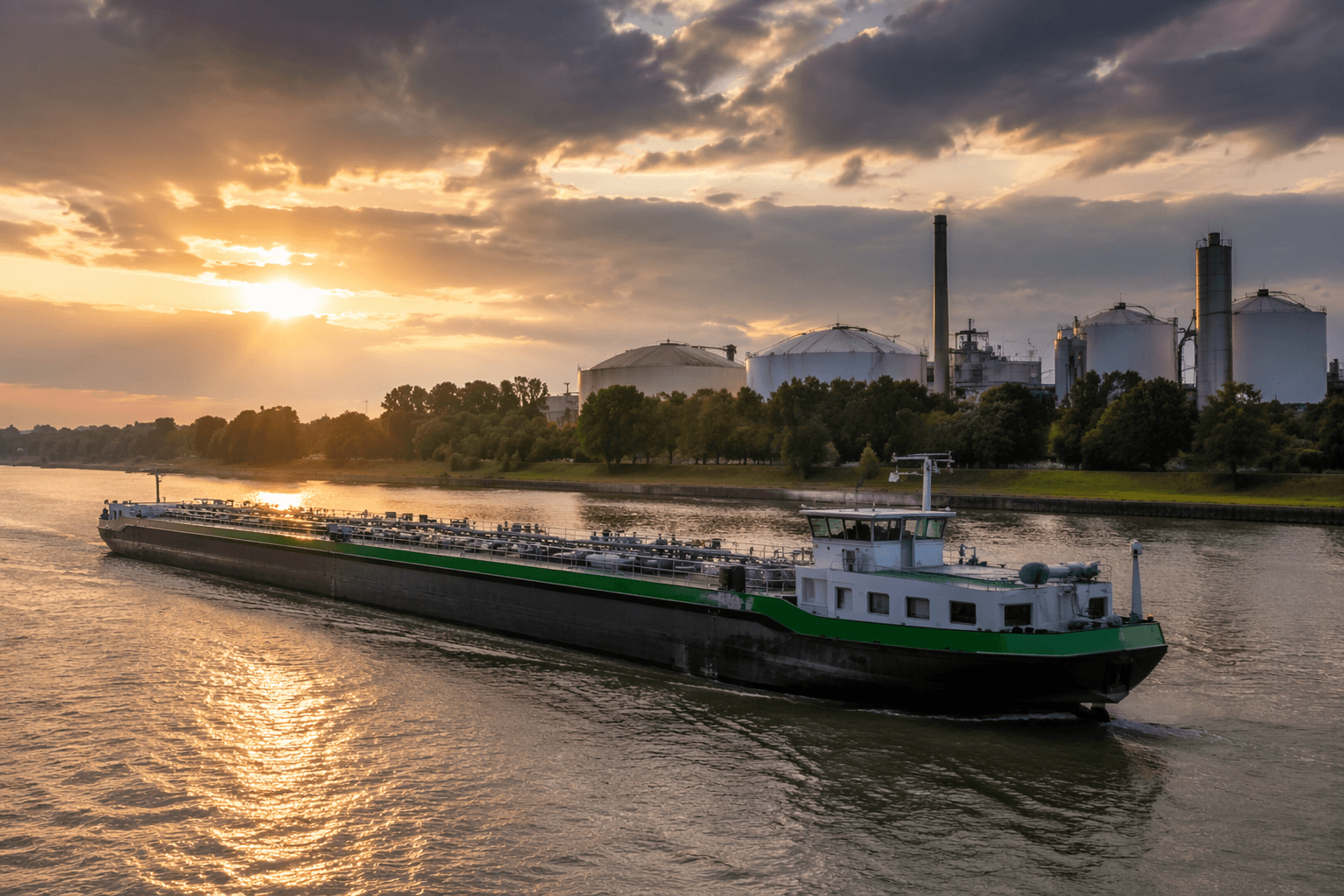
The AGQM materials say biodiesel is virtually sulfur-free, easily biodegradable and not classified as a dangerous good. They also stress that fuel quality and certification remain critical, with most manufacturers recommending fuel from controlled quality-assurance systems. In its 2021 messaging, AGQM said Scania Marine Engines stood out for numerous B100 approvals, while other manufacturers had approved B7, B20 and B30 use. That same release said biodiesel could cut greenhouse-gas emissions by 65% to 93% versus fossil fuels.
The commercial case is strongest in the existing fleet. CCNR market-observation data put the European inland vessel fleet at 14,701 ships, including 13,484 vessels on the Rhine and Danube. HGK Shipping, Europe’s largest inland waterway shipping company, said in 2024 that HVO100 was a sensible interim solution for inland shipping and that older engines could use the fuel without technical modification. The company added that it had already bought quotas to run parts of its fleet exclusively on HVO100.
For suppliers and operators, the approvals list narrows a long-standing barrier in inland shipping: not the availability of liquid fuel, but the uncertainty over whether a specific engine can legally and technically take it. With B100 now listed alongside lower blends, and with a large installed fleet still in service for years, biodiesel has moved from a policy concept to a nearer-term procurement option.
This article was produced by Prism’s automated news system from verified source data, official records, and press releases, then run through automated quality and moderation checks before publishing. The system is built and supervised by the people who set the standards it runs under. Read our full AI policy.
Did this article answer your question?