Biodiesel groups urge EU Parliament to reject soy rules
Biodiesel and feed groups pressed the European Parliament to block a draft rule that would push soy-based biodiesel out of EU renewable targets by 2030.
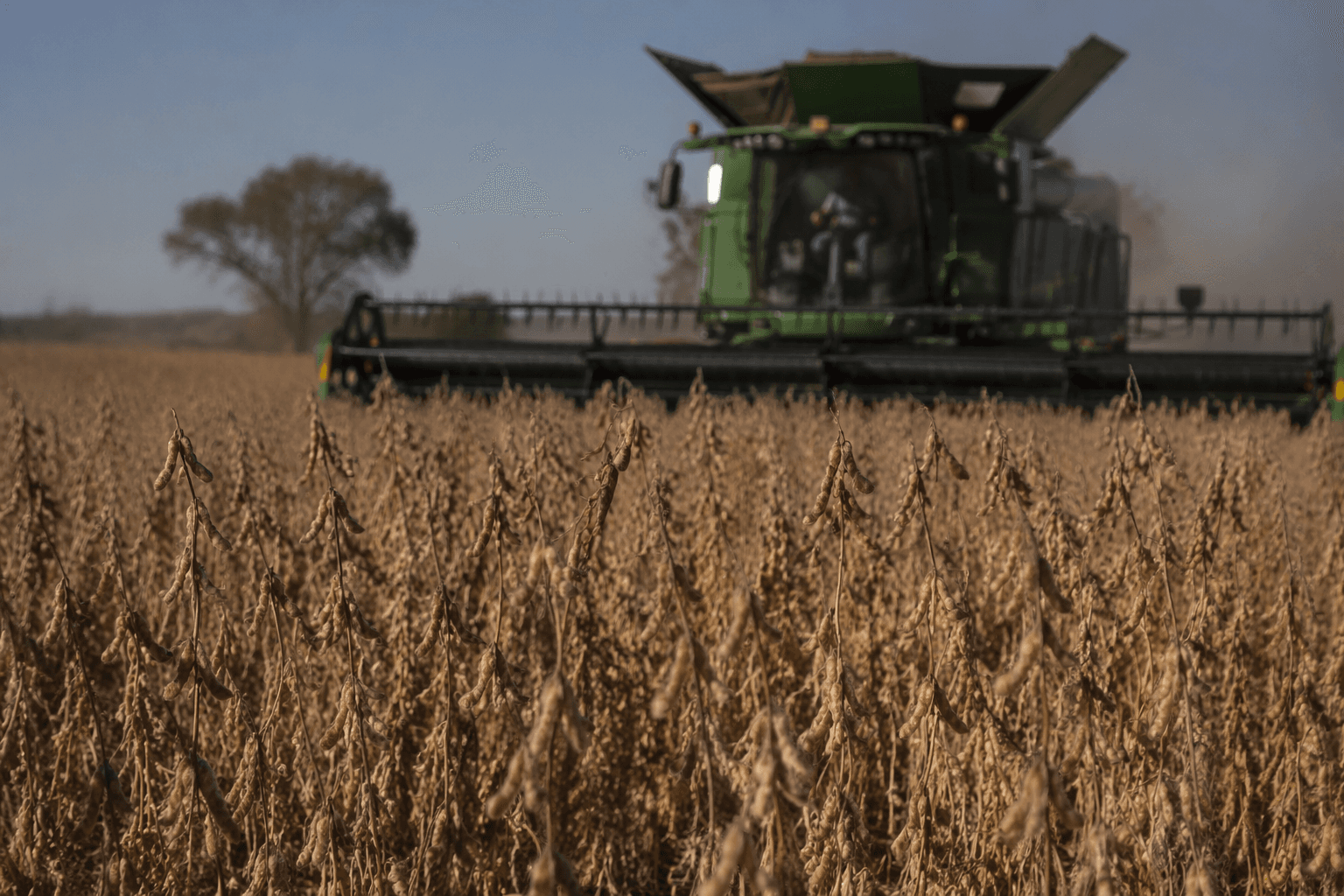
The European Biodiesel Board and FEDIOL on July 1 urged the European Parliament to reject Commission Delegated Regulation C(2026) 2306, a draft that would phase soybean biodiesel out of EU renewable energy targets by 2030.
The groups are trying to stop the file before a plenary vote now scheduled for July 6. The Parliament’s ITRE Committee adopted an EPP-ECR motion for objection in late June, and the industry wants an absolute majority against the delegated act.
At issue is the Commission’s amendment to Delegated Regulation (EU) 2019/807 under Article 26(2) of the Renewable Energy Directive. The draft says it updates the methodology and data used to identify high indirect land-use change-risk feedstocks and sets a trajectory to gradually reduce their contribution to EU renewable energy targets.
The objection text says soy is being classified as high-ILUC risk using a globally calculated risk coefficient derived from aggregated modelling exercises. It also says soy-based biodiesel would be fully excluded from counting toward Union renewable targets by 2030, a timetable that would hit crop-based biodiesel producers, soy crushers and domestic oilseed value chains.
EBB and FEDIOL argue the proposal would do more than tighten a fuel rule. They say it would weaken Europe’s soy processing industry and send the wrong signal as Brussels pushes a broader plant-protein policy, including a Commission review that collects data on supply, demand, production, consumption, imports and exports. The Commission published an overview of the plant protein market in October 2024 and says leguminous crops matter because they deliver environmental benefits and help reduce the EU’s deficit in plant proteins.
Lawmakers are weighing a delegated act designed to cut high-ILUC-risk biofuels against a separate Brussels effort to reinforce protein autonomy and domestic agricultural resilience. The Parliament’s own research service frames the protein debate around both support for home-grown protein crops and reduced dependence on imports.
USDA Foreign Agricultural Service data show the Commission’s methodology change would lead to a gradual phase-out of soybean as a biofuel feedstock in the EU by 2030, while U.S. soybean exports to the bloc were valued at $2.2 billion in 2025.
This article was produced by Prism’s automated news system from verified source data, official records, and press releases, then run through automated quality and moderation checks before publishing. The system is built and supervised by the people who set the standards it runs under. Read our full AI policy.
Did this article answer your question?