Canada funds 56 forest projects to speed sector transformation
Ottawa backed 56 forest projects with nearly $130 million, putting the heaviest weight on pellets, biomass logistics, biocarbon and export markets.
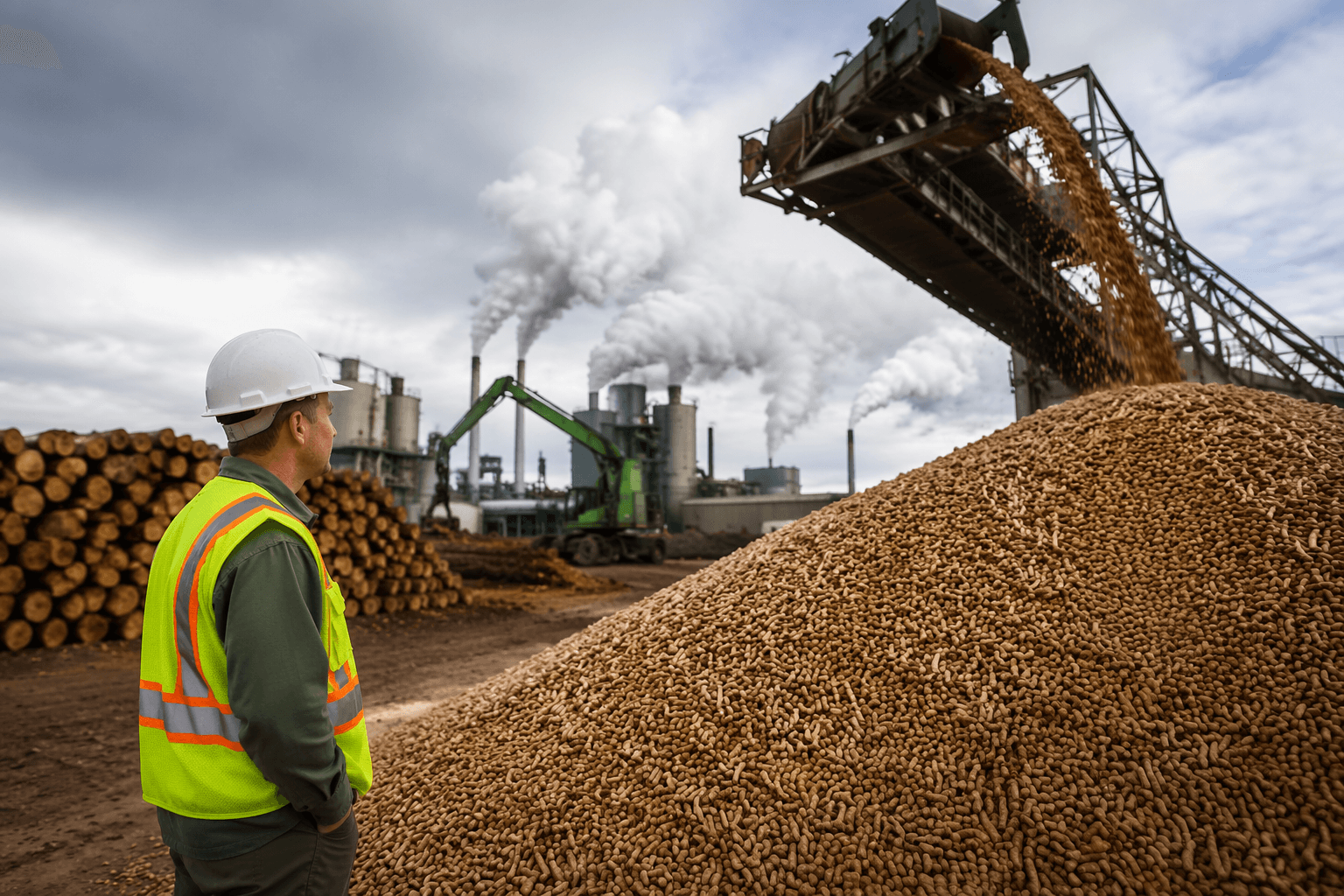
Natural Resources Canada on June 3 announced close to $130 million for 56 forest-sector projects, a package designed to push Canada’s wood economy toward higher-value, lower-carbon uses. The money supported low-carbon wood technologies, mass timber, Indigenous participation, value-added manufacturing and export diversification, with the clearest bioenergy signal coming from pellets, residual fiber and biocarbon.
The commercial logic was most visible in the named projects. The Wood Pellet Association of Canada received funding to assess export readiness for thermally treated pellets, including sustainability and technical compatibility in priority markets such as the European Union and Japan. Forest Enhancement Society of BC got a much larger award to expand the collection, processing and transport of low-value forest fiber so it can move out of burning and into pulp, pellet production, bioenergy and secondary manufacturing. The Quebec Wood Export Bureau is using federal support to diversify biomass-energy and forest-product export markets, while Innofibre is advancing wood-based biocarbon technologies aimed at industrial decarbonization.
Those projects map closely to Ottawa’s broader forest-industry strategy. The Canadian Forest Sector Transformation Task Force began work on Jan. 19, 2026, operated under a 90-day mandate and delivered its final report to the Minister of Energy and Natural Resources on April 16, 2026. Its central recommendation was a federally led 25-year National Forest Sector Strategy for 2026-2050, built around stable access to cost-competitive fibre, modernization, more wood in construction, support for workers and communities, and stronger trade and market access. The June 3 Forest Sector Action Plan said it was informed by those recommendations and would be developed with provinces, territories, Indigenous Peoples and other partners.
The funding also extended a federal investment model that Natural Resources Canada has used for years. The Investments in Forest Industry Transformation program, created in 2010, has already backed 82 capital projects that deployed first-in-kind technologies and advanced wood-derived bioproducts including bioenergy, bioplastics and biochemicals. Ottawa had also announced $12.4 million for 14 British Columbia forest projects on May 14, showing a steady layering of support before the national rollout.
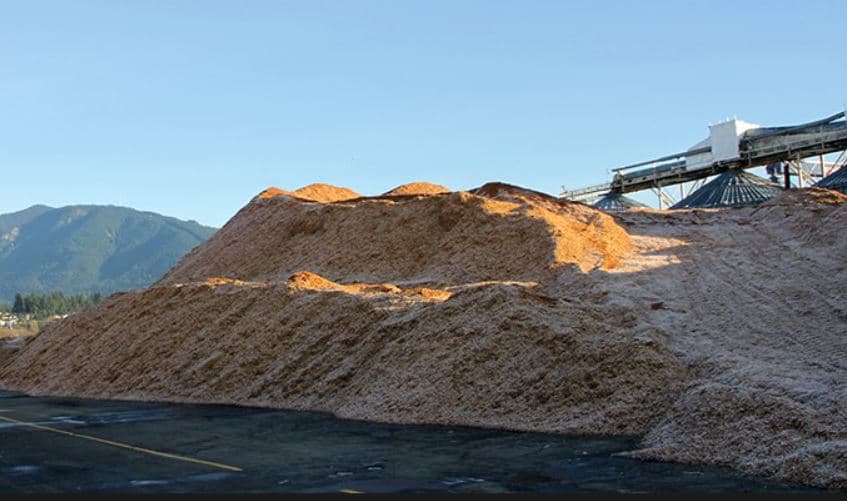
The pattern points to where the government sees the biggest payoff: exportable pellets, biomass logistics, biocarbon and other higher-margin products that can pull value from low-grade fiber. For Canada, the forest-sector file is being treated less as a commodity support program than as an industrial strategy for rural jobs, carbon management and market diversification.
This article was produced by Prism’s automated news system from verified source data, official records, and press releases, then run through automated quality and moderation checks before publishing. The system is built and supervised by the people who set the standards it runs under. Read our full AI policy.
Did this article answer your question?