EU prepares maritime decarbonisation strategy, boosting low-carbon fuel demand
FuelEU Maritime is already in force for ships above 5,000 GT, and Brussels is building another layer that could lift demand for biodiesel and biomethane.

The European Commission is preparing a new maritime decarbonisation strategy after FuelEU Maritime took effect on Jan. 1, 2025 for ships above 5,000 GT. The next phase would sit on top of an existing EU stack that already covers maritime transport under the emissions trading system and pushes renewable, low-carbon fuels into the bunker market.
That matters because the Commission says maritime transport carries around 75% of the EU’s external trade and 31% of its internal trade by volume. Regulation (EU) 2023/1805, which sits inside the Fit for 55 package, was designed to promote renewable, low-carbon fuels and clean energy technologies for ships calling at EU ports, while also creating a level playing field across shipping companies, port authorities, fuel suppliers and bunkering operators.
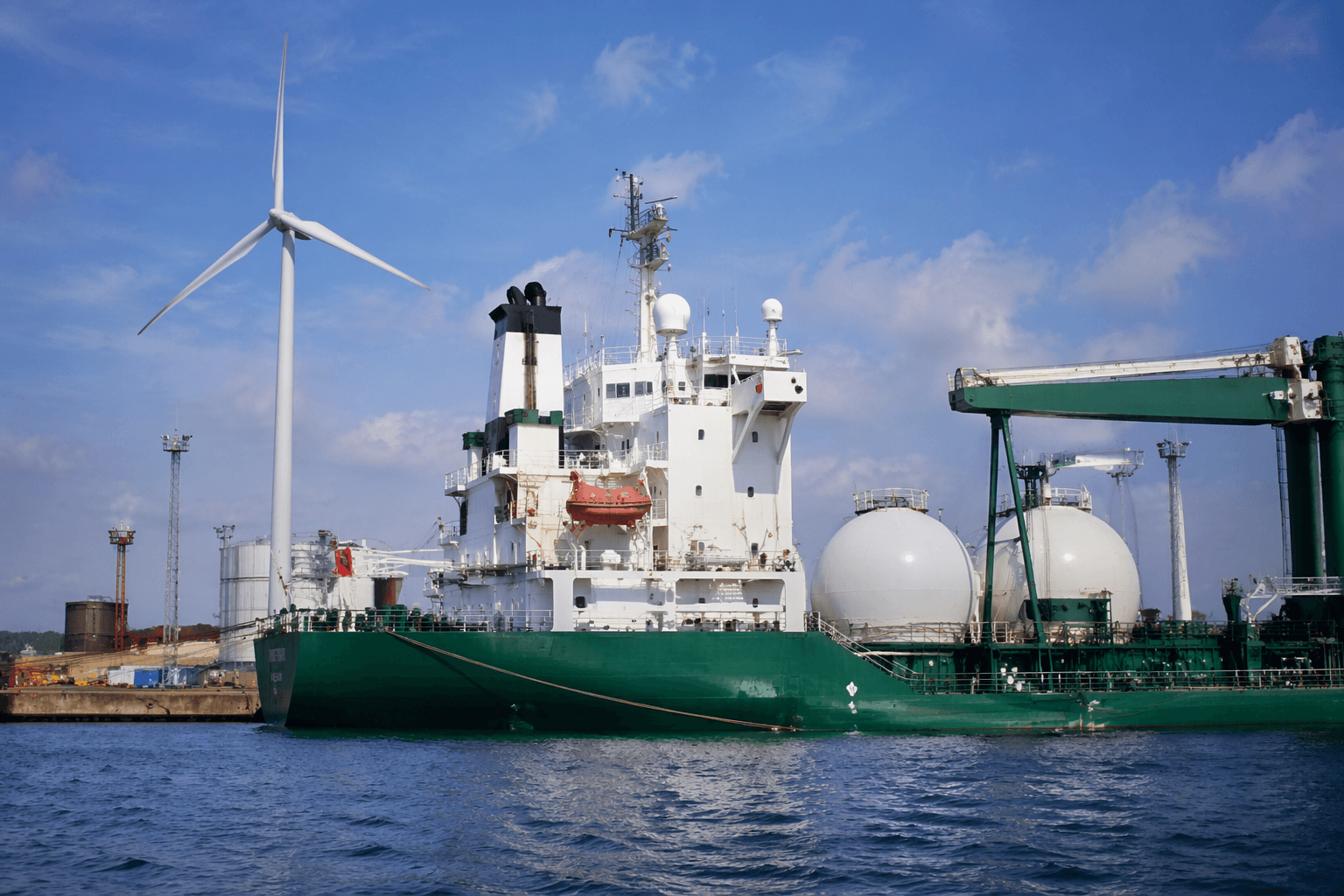
In March 2026, the Commission added an EU Industrial Maritime Strategy and an EU Ports Strategy to the policy build-out. Those plans focus on ports, shipping and shipbuilding, which pushes the maritime decarbonisation debate beyond vessel owners and toward the infrastructure that decides whether fuel can actually move. For biofuel producers and terminal operators, that is the difference between a policy signal and a bankable off-take market.
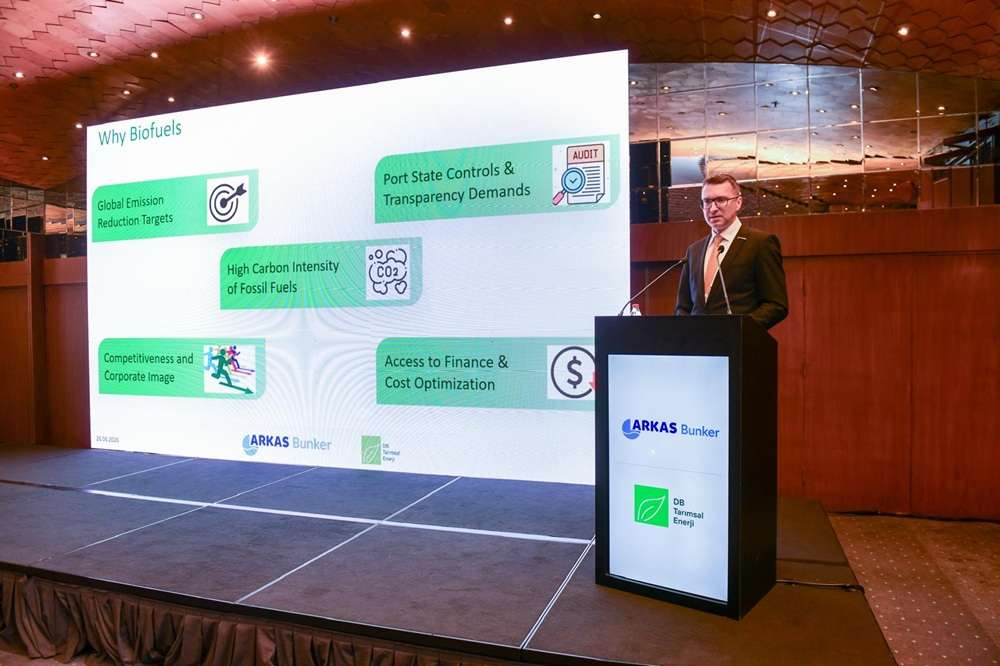
The commercial angle is clearest in the fuels that can be used now. A Commission-supported 2025 report on marine fuel certification said renewable and low-carbon fuels, including sustainable biofuels, are an indispensable pillar in decarbonising maritime transport. It also flagged bunker delivery notes and proofs of sustainability as central to certification and traceability, a reminder that the next bottleneck is not only supply but documentation, chain-of-custody and compliance systems. For shipowners, that means near-term deployable fuels will compete on more than price, with certification and availability likely to shape procurement.

Biofuels also face resistance. In April 2026, conservation organisations including Biofuelwatch and the Global Forest Coalition urged governments to reject biofuels as a shipping decarbonisation pathway, keeping pressure on Brussels as it weighs the fuel mix for the sector. The Commission is due to hold an implementation dialogue on renewable and low-carbon fuels for maritime and aviation in July 2026, underscoring that fuel supply remains part of the policy agenda, not just emissions targets.
This article was produced by Prism’s automated news system from verified source data, official records, and press releases, then run through automated quality and moderation checks before publishing. The system is built and supervised by the people who set the standards it runs under. Read our full AI policy.
Did this article answer your question?