European ethanol producers fear Mercosur deal could flood EU market
The EU’s 650,000-tonne Mercosur ethanol quota is splitting the sector, with industrial producers bracing for imports while fuel players push E20.
The EU and Mercosur on 17 January 2026 sealed a 650,000-tonne ethanol quota that European renewable producers say could open the bloc to cheaper imports just as Brussels weighs higher petrol blends. The interim trade pact started provisionally applying on 1 May 2026 after all four Mercosur countries completed domestic procedures in March.
The ethanol carveout is split into 450,000 tonnes duty-free for chemical use and 200,000 tonnes for all other uses, including fuel. The fuel tranche will be phased in over five annual stages and taxed at one-third of the most-favoured-nation duty, a structure that European producers argue could reshape supply flows before the deal fully enters into force after European Parliament consent.
ePURE reacted sharply, saying the European Commission had ignored repeated warnings from sensitive agricultural sectors and had effectively granted Mercosur countries, in reality Brazil, a large share of the EU ethanol market. Across most of the bloc, the current maximum blend in petrol remains E10, leaving the industrial ethanol side exposed if imports land faster than domestic demand grows.
That demand side is moving too. CEN’s E20 petrol technical specification was approved by national standardization bodies in late 2025 and published in early 2026, giving the market a standards path for blends of up to 20% ethanol in petrol. In April 2026, European Commission President Ursula von der Leyen told lawmakers the EU should consider authorizing E20 and said the Commission would look at updating the Fuel Quality Directive to allow it.
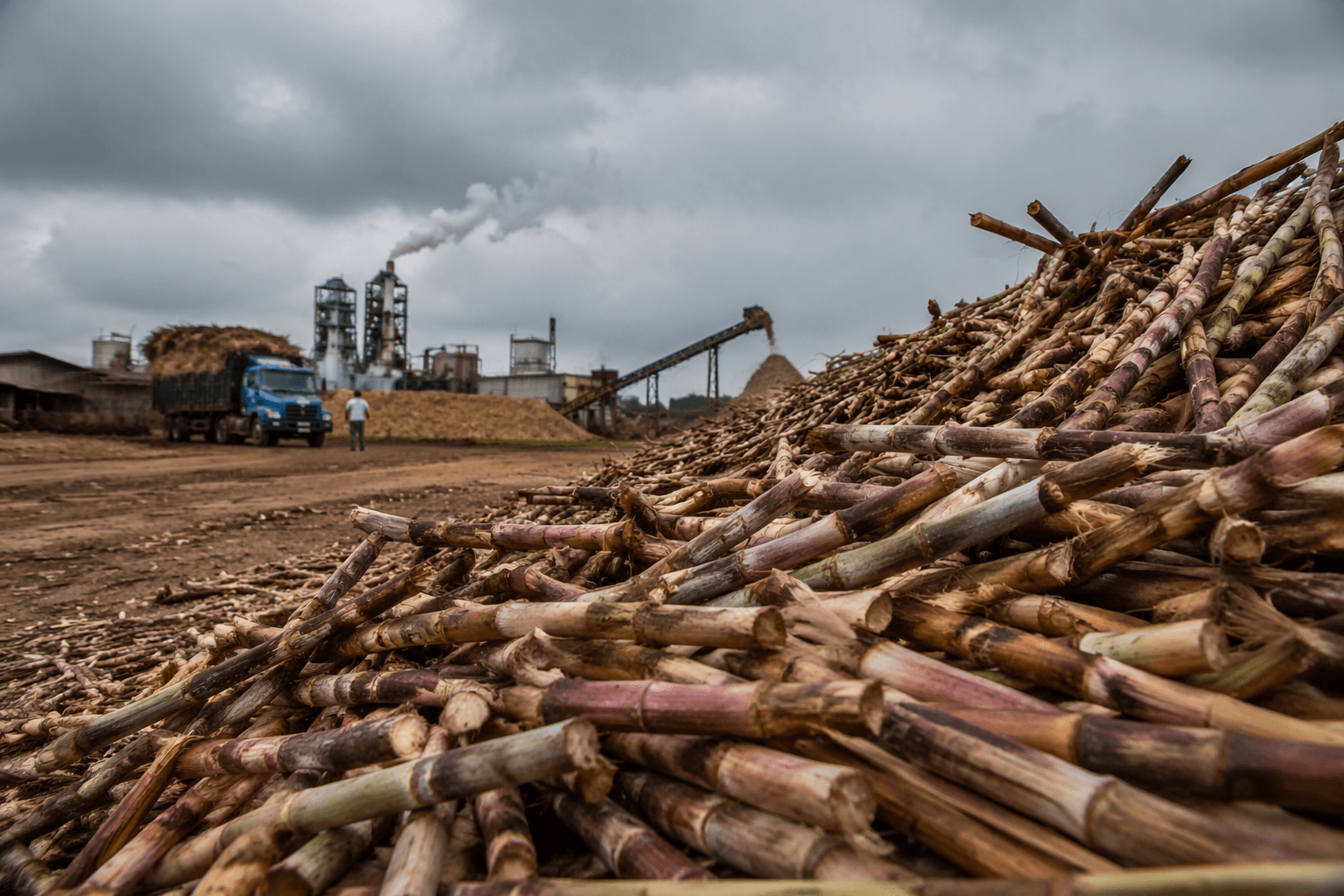
Europe’s ethanol market is large enough for both pressures to matter. ePURE-linked reporting said European producers made 5.08 million tonnes of ethanol and 6.5 million tonnes of food and feed co-products in 2023, while EU bioethanol consumption reached 6.58 billion litres that year. France and Germany together consumed more than half of the fuel ethanol incorporated in the EU, keeping the region’s biggest gasoline markets at the center of the blending debate.
The European Commission said the EU was Mercosur’s second-largest trading partner in goods in 2024, with exports of €57 billion, underlining why the trade file moved. For Europe’s ethanol sector, the deal now sets up a split policy outcome, cheaper imported supply for one part of the market and a possible E20-driven demand lift for another.
This article was produced by Prism’s automated news system from verified source data, official records, and press releases, then run through automated quality and moderation checks before publishing. The system is built and supervised by the people who set the standards it runs under. Read our full AI policy.
Did this article answer your question?