ExxonMobil supplies B30 bio marine fuel to Wallenius Wilhelmsen
ExxonMobil bunkered Wallenius Wilhelmsen’s Titus with a B30 bio marine fuel in Zeebrugge. The blend used waste-based FAME and 30% biofuel.
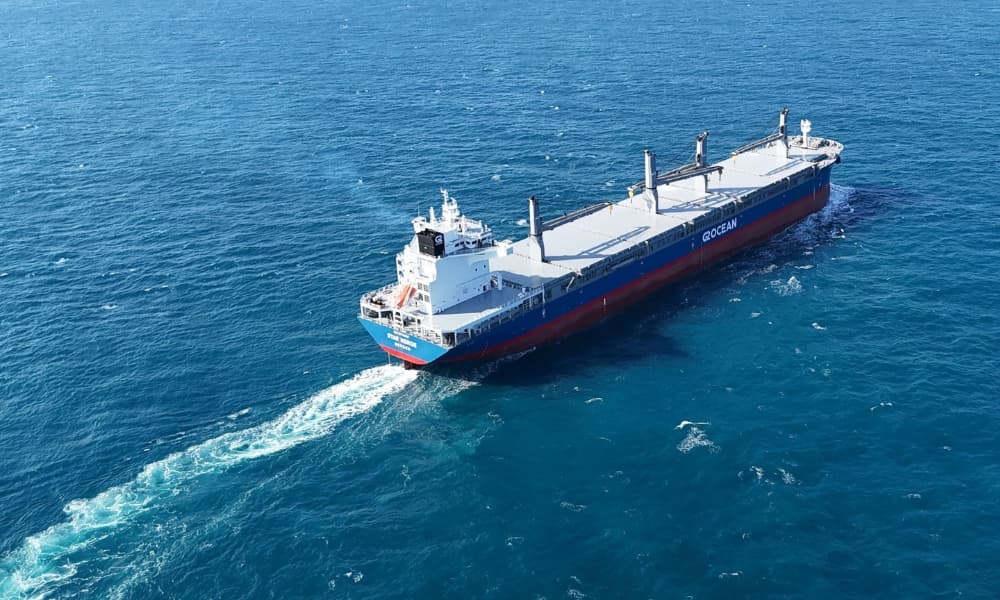
ExxonMobil on June 24 supplied Wallenius Wilhelmsen’s Titus with a B30 0.50% sulphur marine fuel blend in Zeebrugge. The bunkering took place ahead of a sea trial and used a fuel made with fatty acid methyl ester from distillation residue.
Wallenius Wilhelmsen's first biofuel contract with ExxonMobil used a blend that was 30% biofuel and 70% conventional fuel. The company has been pushing to cut emissions from its ocean network while it targets a net-zero emissions integrated supply chain service by 2027. Titus is an IMO 9700512 vehicle carrier in a fleet that includes more than 50 RoRo vessels used for auto, construction, mining and agriculture machinery, plus breakbulk cargo.
ExxonMobil's bio marine fuel blends combine residual or distillate fuels with a FAME bio component. In this case, the FAME was a waste-based, ISCC-certified second-generation product, and the blend met ISO 8217:2017 specifications except for the FAME component, which complied with EN 14214. ExxonMobil says the fuel can deliver CO2 emissions reductions of up to approximately 40% versus conventional marine fuel and is designed for normal marine operations without engine modification.

The Zeebrugge bunkering followed earlier ExxonMobil marine biofuel activity in the Amsterdam-Rotterdam-Antwerp region, the United Kingdom and Singapore. ExxonMobil completed a sea trial with Stena Bulk in Rotterdam, and similar bunker deliveries followed agreements in Singapore in 2022. ExxonMobil has also supplied biofuel to Hapag-Lloyd in the ARA region.
Wallenius Wilhelmsen's Pure Car and Truck Carrier vessels can be up to 200 meters long and carry up to 6,600 car equivalent units.
This article was produced by Prism’s automated news system from verified source data, official records, and press releases, then run through automated quality and moderation checks before publishing. The system is built and supervised by the people who set the standards it runs under. Read our full AI policy.
Did this article answer your question?