ExxonMobil supplies Teck with renewable diesel for mine haul fleets
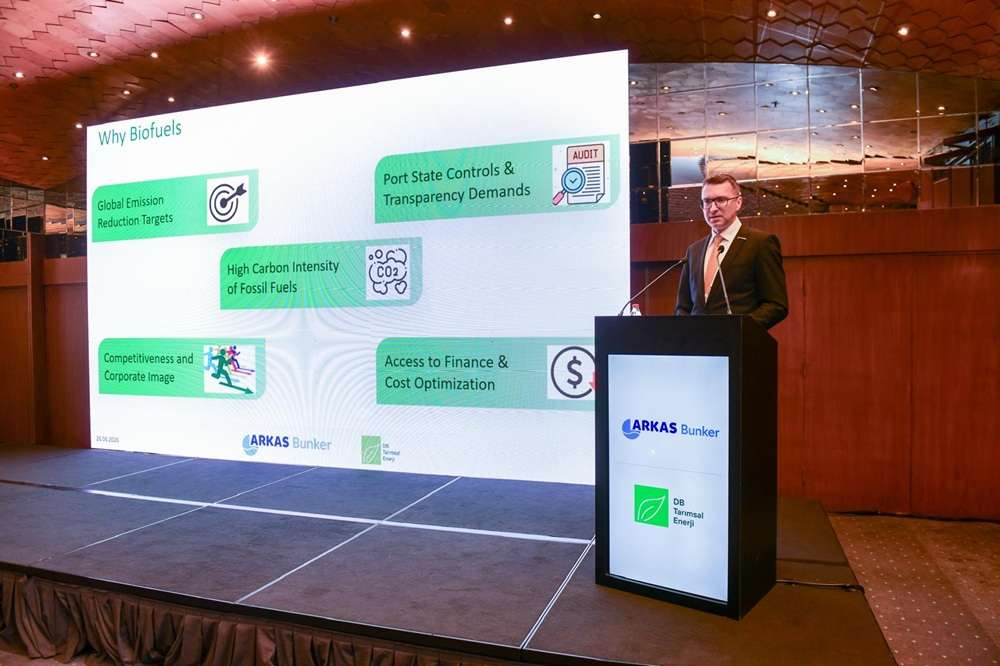
ExxonMobil delivered the first renewable diesel load to Teck's Highland Valley Copper mine, where mobile equipment is the biggest Scope 1 emissions source.

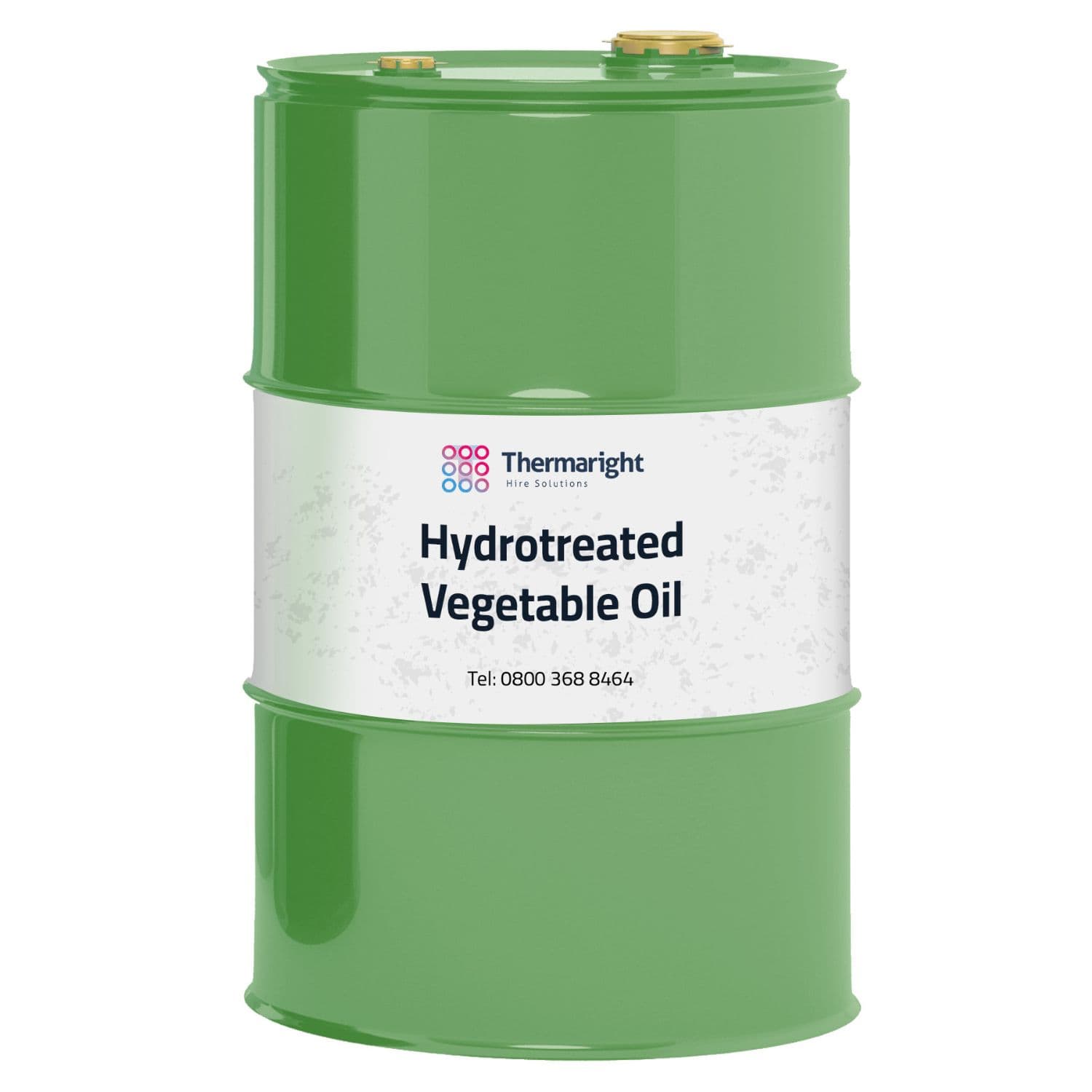
ExxonMobil on June 26 completed the first delivery of Esso Ethos+ Renewable Diesel R100 to Teck's Highland Valley Copper mine in British Columbia. The fuel will come from Imperial Oil's Strathcona refinery in Alberta, which is now producing renewable diesel. Teck is already using the fuel at HVC, where mobile equipment is its largest source of Scope 1 emissions.
Strathcona is designed to produce up to 20,000 barrels a day at full capacity, making it Canada’s largest renewable diesel plant once fully ramped. The fuel can be used in diesel engines certified to relevant standards without engine modifications, a key requirement for haul fleets that cannot absorb lengthy retrofit downtime. Teck’s 2025 Sustainability Report, covering January 1 through December 31, 2025 and marking the company’s 25th annual sustainability report, classifies emissions from renewable diesel as biogenic emissions under the GHG Protocol rather than as Scope 1.
Highland Valley Copper Operations sits about 17 kilometres west of Logan Lake and about 50 kilometres southwest of Kamloops, and Teck owns 100% of the site. Teck produced copper and molybdenum concentrates in 2025, with operating results showing revenue of $1.883 billion and copper production of 127 thousand tonnes. Teck is advancing the Highland Valley Copper Mine Life Extension Project.

In 2022, Teck announced a separate agreement with Caterpillar to work toward deploying 30 zero-emissions large haul trucks beginning in 2027, initially at its Elk Valley steelmaking coal operations. Teck has said it will pair those longer-dated truck programs with near-term diesel displacement through renewable fuels and trolley-assist, while it targets a 33% reduction in the carbon intensity of its operations by the end of 2030 and net-zero Scope 1 and 2 emissions by the end of 2050.
This article was produced by Prism’s automated news system from verified source data, official records, and press releases, then run through automated quality and moderation checks before publishing. The system is built and supervised by the people who set the standards it runs under. Read our full AI policy.
Did this article answer your question?