Gevo secures feedstock deals to scale alcohol-to-jet SAF production
Gevo added supply-chain agreements for low-carbon ethanol and residue feedstocks as it pushes its alcohol-to-jet platform toward commercial scale.
Gevo on June 19 said it advanced its alcohol-to-jet sustainable aviation fuel program with new supply-chain agreements. The deals are designed to secure low-carbon ethanol and longer-term access to agriculturally derived residues and waste-based feedstocks before large-scale SAF production begins.
Gevo said the new agreements strengthen the feedstock chain for its next-generation aviation fuel plants, where ethanol is the direct input. The company’s product materials say its ATJ pathway converts alcohol made from feedstocks such as non-food-grade field corn into jet fuel molecules, a route Gevo is positioning as a way to scale without leaning on first-generation crop oils.

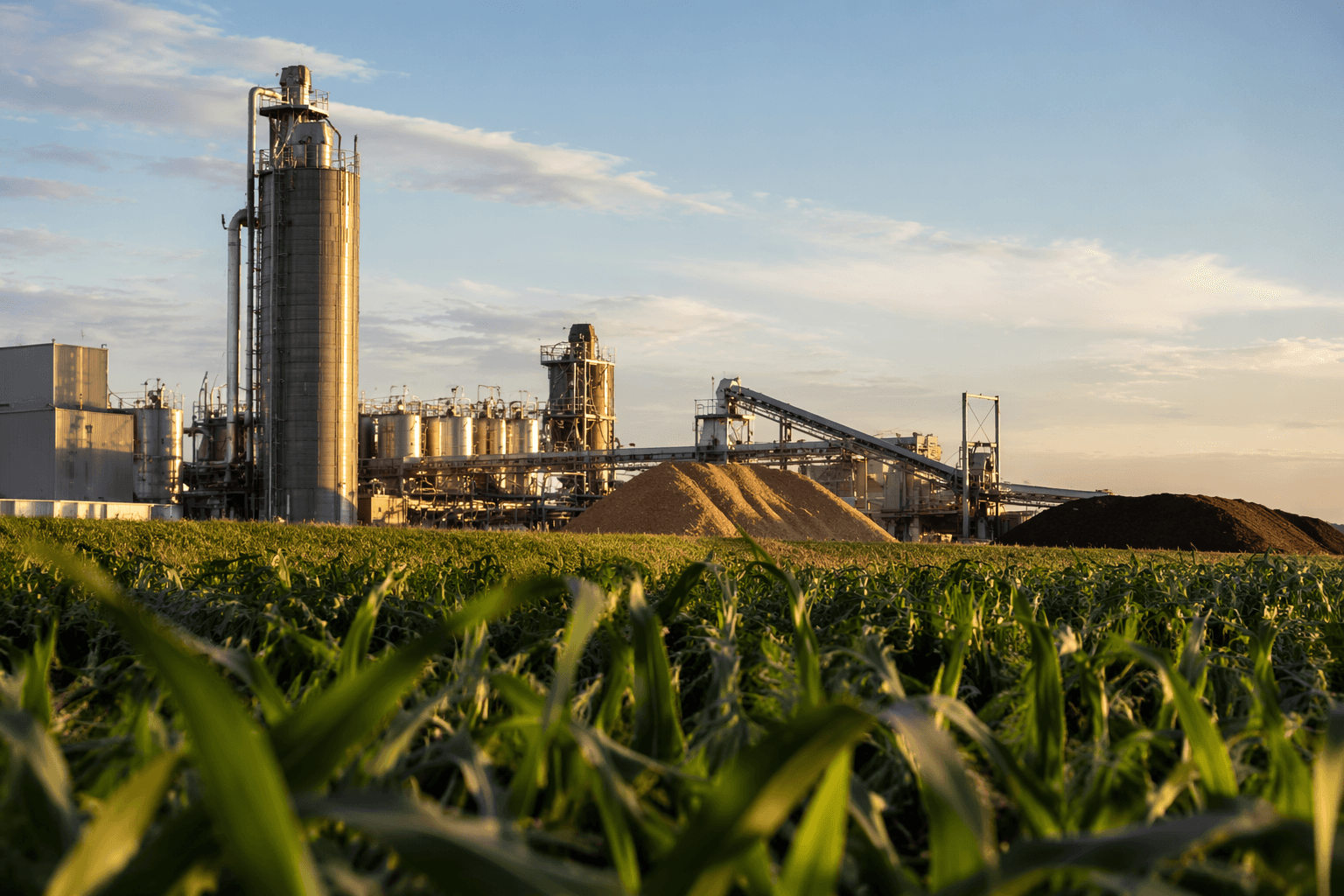
The center of that buildout is Gevo North Dakota, which Gevo says produces about 65 million gallons per year of ethanol. Gevo says the site is the chosen location for ATJ-30, the project it believes will be the world’s first large-scale alcohol-to-jet SAF plant. The company’s materials say the facility already carries carbon-capture infrastructure and co-products that can support future aviation fuel production.
The June 19 supply-chain push follows Gevo’s May 7 first-quarter 2026 update, when the company said it had received preliminary indications of interest for private-capital financing of its alcohol-to-jet project and had a preliminary agreement with Ara Energy to fund expansion plans at Gevo North Dakota. Gevo also said it expected $30 million of non-GAAP adjusted EBITDA in 2026, underscoring that the business remains in the financing and scale-up stage rather than commercial SAF output.
Gevo has also been building demand-side visibility around the same platform. The company previously announced a multi-year agreement with Future Energy Global tied to 10 million gallons per year of SAF from its planned ATJ-60 facility. Together with the feedstock agreements, that points to a strategy built around three bottlenecks that have slowed many SAF projects: supply, logistics and bankability.
By leaning on agricultural residues and waste streams, Gevo is also aligning the pathway with carbon-intensity advantages that can matter as carbon pricing and low-carbon-fuel incentives tighten. The immediate test is whether Gevo can keep expanding feedstock coverage around its North Dakota base and turn that ethanol platform into dependable SAF volumes.
This article was produced by Prism’s automated news system from verified source data, official records, and press releases, then run through automated quality and moderation checks before publishing. The system is built and supervised by the people who set the standards it runs under. Read our full AI policy.
Did this article answer your question?