HutanBio, Oman partner to scale algae-based sustainable fuel production
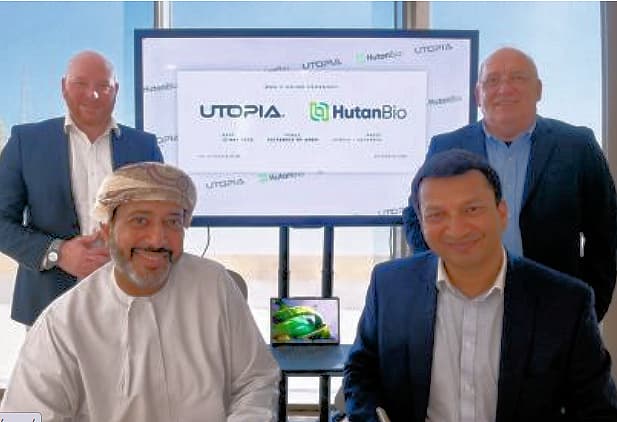
HutanBio and Oman’s Utopia World Investment signed an MoU on May 26, tying algae fuel to Wakud’s solar biodiesel refinery and Oman’s SAF push.

HutanBio and Utopia World Investment on May 26 signed a strategic memorandum of understanding to scale algae-based sustainable fuel production in Oman, with Wakud International positioned as the offtake partner. The deal links an early-stage algae platform to one of the few concrete fuel assets already operating in the country, Wakud’s biodiesel refinery in Khazaen, and it lands as Oman tries to turn its low-carbon fuels ambitions into bankable projects.
For Oman, the timing matters. The Civil Aviation Authority launched a national aviation decarbonisation initiative on April 7, 2026, led by the Centre of Environmental Studies and Research at Sultan Qaboos University on behalf of the authority. That push sits inside Oman Vision 2040, which frames environmental preservation and sustainable development as national priorities. The MoU therefore plugs into a broader policy narrative, but the commercial test is whether Oman can move beyond announcements and assemble the feedstock, land, water and export infrastructure needed for repeated production runs.
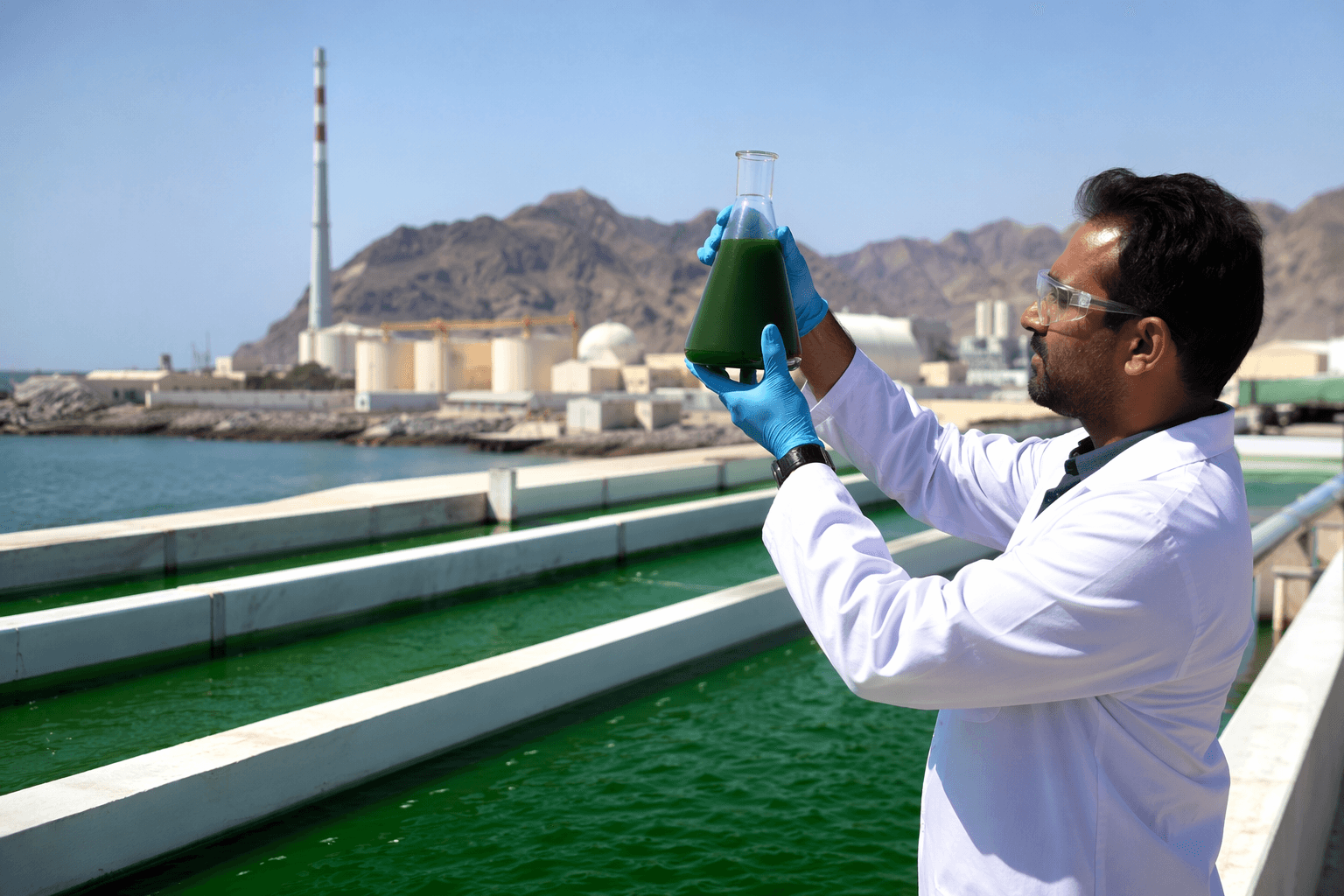
HutanBio is pitching a route around the SAF industry’s feedstock ceiling. The company says its platform uses the microalgae strain Sphaerica, grown in seawater on non-arable coastal land with carbon dioxide and sunlight, to produce a low-carbon biocrude without competing directly with food crops or limited waste-fat streams. HutanBio also says the strain can deliver up to 10 times the yield of earlier algae strains, a claim that matters because algae fuels have spent years trapped between technical promise and commercial scale-up. The company appointed Manshu Agarwal as chief executive in January 2026 as it prepared for first commercial-scale deployment of its algal fuel platform.
The Oman partnership also gives HutanBio a foothold in a country where one operator is already showing that fuel localization can work at small scale. Wakud says it owns and operates Oman’s first dedicated biodiesel refinery, built in Khazaen in eight months, with commercial operations declared on January 1, 2022. The company says the solar-powered plant has 20 tons per day of capacity and was launched to valorize used cooking oil and localize fuel value chains. That history makes Wakud a practical counterweight to the MoU’s more speculative elements, particularly the question of whether an algae-derived feedstock can be harvested, upgraded and shipped at industrial cost.
The market backdrop is tightening. IATA’s global feedstock assessment says about 400 Mt of SAF could be produced in 2050, but industry commentary has already noted that airlines are reassessing 10% SAF-by-2030 targets as output trails demand. In that context, Oman’s appeal is not just policy support but geography: seawater, coastal land and access to export routes. The unanswered question is whether HutanBio can convert those advantages into a commercial chain fast enough to matter before the next round of SAF shortages sets the pace again.
This article was produced by Prism’s automated news system from verified source data, official records, and press releases, then run through automated quality and moderation checks before publishing. The system is built and supervised by the people who set the standards it runs under. Read our full AI policy.
Did this article answer your question?